

June 3, 2026
General Dentistry
Have you recently had a root canal and wondered whether it’s safe to brush your teeth afterward? You’re not alone. One of the most common questions patients ask after root canal therapy is, “Can I brush my teeth normally, or will I damage the treated tooth?”
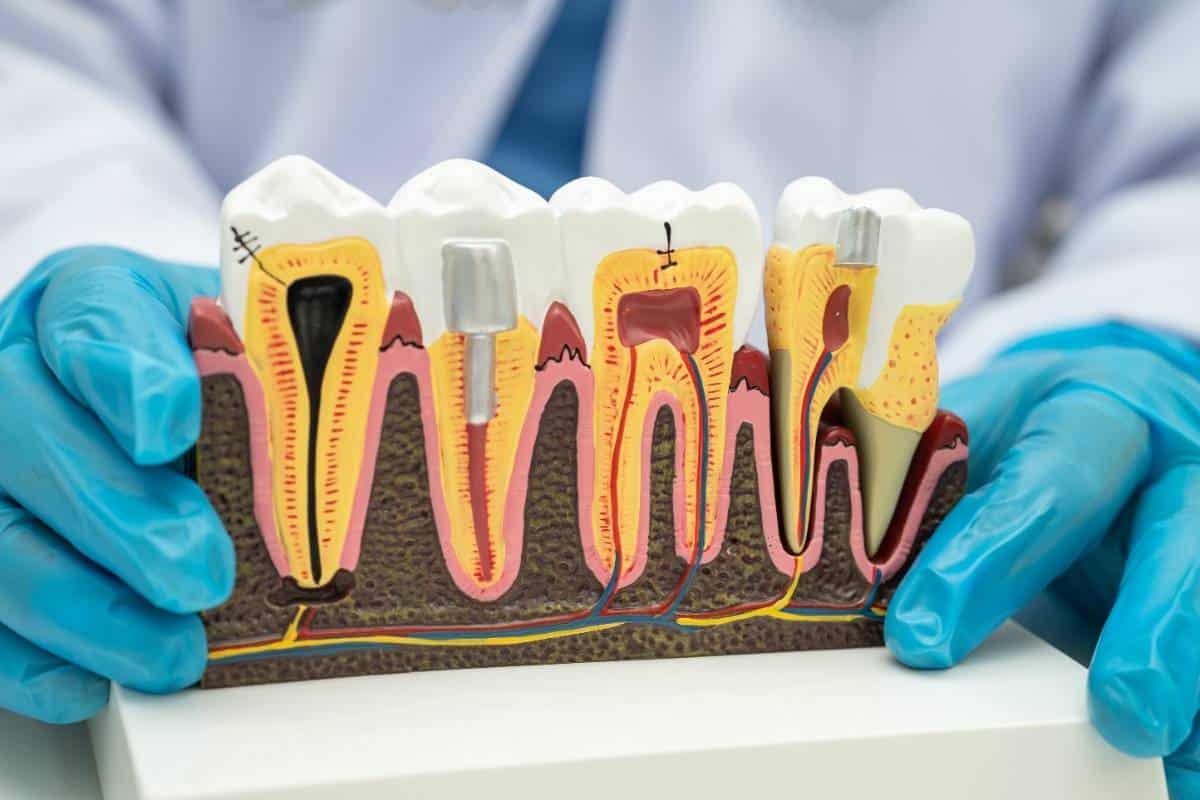
The good news is that brushing your teeth after a root canal is not only safe—it is highly recommended. Maintaining proper oral hygiene after treatment helps prevent bacteria from accumulating around the treated tooth, supports healing, and protects your overall oral health.
Root canal therapy remains one of the most successful procedures in modern dentistry. According to the American Association of Endodontists (AAE), more than 15 million root canal treatments are performed annually in the United States. Studies have also shown that root canal-treated teeth can last a lifetime when properly restored and maintained.
However, knowing how and when to brush after treatment is important. In this guide, we’ll explain when you can brush your teeth after a root canal, the best brushing techniques, foods to avoid, recovery tips, and how to protect your investment in oral health.
Can You Brush Your Teeth After a Root Canal?
Yes.
Most dentists recommend brushing your teeth the same day as your root canal treatment once the numbness wears off.
Maintaining good oral hygiene helps:
- Reduce bacterial buildup
- Prevent future decay
- Protect surrounding teeth
- Support gum health
- Promote successful healing
However, it’s important to brush carefully around the treated area, especially if tenderness or a temporary filling is present.
Why Brushing After a Root Canal Is Important
Some patients mistakenly avoid brushing because they fear damaging the treated tooth.
In reality, skipping oral hygiene can create additional problems.
Reduces Harmful Bacteria
According to the Centers for Disease Control and Prevention (CDC), oral bacteria contribute significantly to tooth decay and gum disease.
Brushing helps remove:
- Plaque
- Food debris
- Harmful bacteria
This reduces the risk of reinfection around the treated tooth.
Protects Adjacent Teeth
A root canal treats only one tooth.
The surrounding teeth remain susceptible to:
- Cavities
- Gingivitis
- Periodontal disease
Good brushing habits help protect the entire mouth.
Supports Long-Term Success
Research published in endodontic literature shows that properly restored root canal-treated teeth have long-term success rates exceeding 90%.
Daily brushing and flossing play a major role in maintaining those outcomes.
When Should You Brush After Root Canal Therapy?
In most cases, you can brush your teeth later the same day.
However, timing matters.
Wait Until Numbness Wears Off
Local anesthesia used during treatment can leave your lips, tongue, and cheeks numb for several hours.
Brushing while numb may lead to:
- Accidental biting
- Gum irritation
- Injury to soft tissues
Most dentists recommend waiting until sensation returns before brushing.
How to Brush Safely After a Root Canal
Use a Soft-Bristled Toothbrush
A soft toothbrush is the best option after dental treatment.
Benefits include:
- Gentle cleaning
- Reduced gum irritation
- Less pressure on sensitive tissues
Avoid hard-bristled brushes during recovery.
Brush Gently Around the Treated Tooth
The area surrounding the tooth may feel tender for several days.
Use light pressure and slow motions.
Focus on:
- Gumline cleaning
- Plaque removal
- Gentle circular brushing
Avoid aggressive scrubbing.
Continue Brushing Twice Daily
The American Dental Association recommends brushing twice daily with fluoride toothpaste.
Maintaining your routine helps prevent plaque accumulation and future dental problems.
Can You Brush a Tooth With a Temporary Filling?
Yes.
Many root canal procedures involve placing a temporary filling before a permanent crown is installed.
You may brush normally, but use caution.
Avoid Excessive Pressure
Temporary restorations are generally durable but not as strong as permanent crowns.
Gentle brushing helps avoid:
- Loosening the filling
- Damaging the restoration
- Causing discomfort
If a temporary filling becomes loose or falls out, contact your dentist promptly.
Should You Floss After a Root Canal?
Absolutely.
Flossing remains an essential part of oral hygiene after treatment.
However, be careful around temporary restorations.
Flossing Tips
- Slide floss gently between teeth
- Avoid snapping floss into gums
- Pull floss sideways rather than upward if instructed by your dentist
These precautions help protect temporary materials.
What Toothpaste Should You Use?
Most patients can continue using their regular fluoride toothpaste.
Fluoride offers several benefits:
- Strengthens enamel
- Reduces cavity risk
- Protects neighboring teeth
Patients with post-treatment sensitivity may benefit from a toothpaste formulated for sensitive teeth.
Is Tooth Sensitivity Normal After Brushing?
Yes.
Mild sensitivity after a root canal is common.
According to the American Association of Endodontists, some tenderness and sensitivity may persist for several days due to inflammation in surrounding tissues.
You may notice:
- Mild soreness
- Pressure sensitivity
- Tenderness when chewing
These symptoms typically improve as healing progresses.
Foods to Eat After Root Canal Therapy
In addition to proper brushing, dietary choices support recovery.
Recommended foods include:
Soft Foods
- Yogurt
- Applesauce
- Mashed potatoes
- Oatmeal
- Scrambled eggs
Protein Sources
- Fish
- Chicken
- Tofu
- Greek yogurt
Hydrating Foods
- Watermelon
- Soup
- Smoothies
Soft foods reduce stress on the treated tooth while healing occurs.
Foods to Avoid After a Root Canal
Until your permanent restoration is placed, avoid foods that could damage the treated tooth.
Hard Foods
Avoid:
- Ice
- Nuts
- Hard candy
- Popcorn kernels
Sticky Foods
Avoid:
- Caramel
- Taffy
- Chewy candy
Extremely Hot Foods
Very hot foods may increase temporary sensitivity.
Following these precautions helps prevent complications.
Warning Signs to Watch For
While mild discomfort is normal, certain symptoms warrant a call to your dentist.
Contact your dental office if you experience:
- Severe pain lasting more than a few days
- Significant swelling
- Fever
- Pus drainage
- Cracked temporary filling
- Persistent bad taste
- Difficulty biting
Early intervention can prevent more serious complications.
How Long Does Recovery Take?
Most patients recover quickly after root canal therapy.
Typical Recovery Timeline
First 24 Hours
- Mild tenderness
- Slight chewing sensitivity
Days 2–5
- Symptoms gradually improve
One Week
- Most discomfort resolved
Several Weeks
- Full tissue healing continues
Recovery varies based on infection severity and treatment complexity.
The Importance of Getting a Permanent Crown
Many root canal-treated teeth require crowns.
According to the American Association of Endodontists, placing a crown helps protect the treated tooth from fracture and improves long-term success.
Benefits include:
- Increased strength
- Better chewing function
- Improved appearance
- Reduced fracture risk
Brushing remains essential even after crown placement.
How Good Oral Hygiene Helps Root Canal Success
Root canal therapy removes infection from inside the tooth, but ongoing care remains necessary.
Proper brushing and flossing help:
- Prevent new cavities
- Protect the crown
- Maintain healthy gums
- Reduce bacterial buildup
- Extend tooth longevity
Research consistently shows that patients with strong oral hygiene habits experience better long-term dental outcomes.
Why Follow-Up Visits Matter
Routine dental checkups allow your dentist to:
- Monitor healing
- Evaluate restorations
- Detect issues early
- Protect neighboring teeth
The CDC reports that preventive dental care plays a critical role in maintaining oral health and reducing future dental problems.
Combining professional care with daily brushing gives your treated tooth the best chance of lasting for many years.
Conclusion
So, can you brush your teeth after root canal therapy? Absolutely. In fact, brushing is one of the most important things you can do to support healing and protect your oral health.
Once the numbness wears off, continue brushing twice daily using a soft-bristled toothbrush and a gentle technique. Pair brushing with daily flossing, healthy food choices, and regular dental visits to maximize the success of your root canal treatment.
If you have concerns about sensitivity, discomfort, or caring for a temporary filling, contact your Hurd Family Dental for personalized guidance. With proper care, a root canal-treated tooth can continue functioning comfortably for decades—and often for a lifetime.
Frequently Asked Questions
- Can I brush my teeth the same day as a root canal?
Yes. Most dentists recommend brushing after the numbness wears off. Use a soft-bristled toothbrush and be gentle around the treated tooth.
- Will brushing damage my root canal-treated tooth?
No. Proper brushing helps protect the tooth and surrounding tissues. Avoid aggressive scrubbing and follow your dentist’s instructions.
- Is it normal for my tooth to feel sensitive when brushing after a root canal?
Yes. Mild sensitivity and tenderness are common for several days after treatment and usually improve gradually.
- Can I floss around a temporary filling?
Yes. Floss carefully and gently. Some dentists recommend sliding floss out sideways rather than lifting it upward to avoid dislodging temporary material.
- How long will a root canal-treated tooth last?
Studies show that root canal-treated teeth can last many years—and often a lifetime—when properly restored, brushed, flossed, and maintained through regular dental care.
Recent Posts
Aug. 19, 2026
Can A Root Canal Save A Severely Damaged Tooth?
Aug. 12, 2026
Can Cosmetic Dentistry Close Gaps Between Teeth?
Aug. 05, 2026
How Do Family Dentists Treat Tooth Decay?
Jul. 29, 2026
How Does Family Dentistry Support Long-Term Oral Health?

Jul. 22, 2026
Can Cosmetic Dentistry Fix Damaged Teeth and Restore Your Perfect Smile?
Catagories
- Cosmetic Dentistry (36)
- Dental Care (21)
- Dental Crowns (3)
- Dental Emergency (20)
- Dental Health (9)
- Dental Implant (2)
- Dental Sealants (3)
- Dentist (7)
- Dentures (3)
- Endodontic Treatment (4)
- Family Dentistry (1)
- General Dentistry (9)
- Invisalign (12)
- Oral Care (11)
- Pediatric Dentistry (2)
- Pediatric Dentistry (5)
- Restorative Dentistry (1)
- Root Canal Therapy (4)
- Smile Makeover (3)
- Teeth Whitening (1)
- Tooth Extraction (8)
- Uncategorized (0)