

July 22, 2026
Cosmetic Dentistry
Have you ever found yourself covering your mouth when you laugh, or perhaps strategically angling your face during a FaceTime call to hide a chipped front tooth? If so, you’re certainly not alone. Whether it’s a stubborn coffee stain that won’t budge or a crack from a weekend touch football game, dental imperfections can weigh heavily on your self-esteem.
But here’s the million-dollar question: Is “cosmetic” dentistry just about vanity, or can it actually fix the structural damage and give you back a smile that feels as good as it looks?
In this guide, we’re diving into the latest data, high-tech treatments, and real-world results of modern cosmetic dentistry in the United States. Let’s find out if that “perfect smile” is closer than you think!
The Reality of American Smiles
Before we look at the solutions, it is important to understand just how common dental dissatisfaction is across the U.S. Recent data highlights a significant “confidence gap” when it comes to oral aesthetics:
- The Dissatisfaction Rate: Approximately one-third (33%) of American adults report being unhappy with the appearance of their teeth (American Association of Orthodontists).
- Social Impact: About 36% of Americans believe they would have a better social life with a better smile.
- First Impressions: In professional settings, 78% of Americans perceive adults with crooked or damaged teeth as less successful.
- The Growth of Care: The U.S. cosmetic dentistry market has surged, growing from $14.7 billion in 2022 to an estimated $17 billion in 2024, as more people seek restorative-aesthetic hybrids (Technavio).
The Rise of Veneers
- While only about 8% of Americans have veneers, the number of veneer procedures performed annually has increased significantly in recent years, up by approximately 250% compared to past years.
- Modern veneers can last 5 to 15 years and provide dramatic improvements to chipped, discolored, or misshapen teeth.
With those figures in mind, it’s clear that cosmetic dental treatments continue to grow in popularity — but what do they actually do for damaged teeth?
How Cosmetic Dentistry Treats Damaged Teeth
Damaged teeth can take many forms: chips, cracks, discoloration, wear from grinding, structural weakness, an uneven bite, or even missing teeth. Cosmetic dentistry in Lee’s Summit offers solutions for all of these — and often with functional benefits.
Dental Bonding — Affordable Fix for Minor Damage
Dental bonding uses composite resin to fill cracks or chips, close gaps, and reshape worn teeth. This is a minimally invasive option with immediate results, often completed in one visit. The resin also seals exposed areas, protecting them from decay.
Good for: Chips, cracks, small gaps, surface damage.
Benefits: Fast, affordable, immediate cosmetic improvement.
Veneers — Cover Imperfections with a Natural Look
Veneers are thin shells of porcelain or resin that cover the fronts of teeth. They’re excellent for hiding stains, chips, and irregular shapes, and they can even make slightly misaligned teeth appear straight without braces. The procedure is more involved and often more costly, but the results are long-lasting and impactful.
Good for: Severe discoloration, chips, cracks, or worn enamel.
Benefits: Dramatic aesthetic transformation with lasting results.
Crowns & Bridges — Strength for Severely Damaged Teeth
Crowns encase an entire tooth, providing strength and protection for teeth damaged by decay or fracture. Bridges, meanwhile, replace missing teeth by anchoring to adjacent teeth. These treatments restore function (chewing, biting) while improving appearance.
Good for: Broken, decayed, or structurally compromised teeth.
Benefits: Restores chewing function and prevents further damage.
Orthodontics — Straighten and Strengthen
While orthodontics (braces and clear aligners like Invisalign) are often thought of as purely aesthetic, they significantly improve bite and alignment, which can reduce uneven wear and jaw strain — important for long-term oral health.
Good for: Misaligned bite, crowding, spacing issues.
Benefits: Better oral function and reduced risk of future damage.
Cosmetic Dentistry Is More Than Just Looks
One important reality about cosmetic dental work is that it often supports oral health beyond mere appearance enhancement. For example:
- Functional restoration: Procedures like crowns and veneers don’t just look good — they strengthen weakened teeth and can prevent further decay or fracture.
- Improved bite and function: Orthodontic treatments help evenly distribute chewing forces, protecting enamel and reducing jaw strain.
- Prevention of future issues: Correcting misaligned or damaged teeth can make them easier to clean, lowering the risk of cavities.
In other words, cosmetic dentistry doesn’t just cover up imperfections — it can support long-term dental health and function when performed by a qualified dentist in Lee’s Summit.
Things to Consider Before Cosmetic Treatment
While cosmetic dentistry offers many benefits, it’s not a one-size-fits-all approach. Here are a few important considerations:
- Budget and Insurance: Most cosmetic procedures aren’t fully covered by dental insurance, so out-of-pocket costs can be high — especially for veneers and implants.
- Personalized Treatment: Every smile is unique. What works for someone else might not be best for you. A thorough evaluation by a certified dentist is key to choosing the right approach.
- Longevity and Maintenance: Some treatments (such as bonding) may require touch-ups over time, while others (such as veneers) may last many years but eventually need replacement.
Conclusion
Cosmetic dentistry has evolved far beyond simple teeth whitening. Today, it is a sophisticated blend of art and science that can structurally reinforce damaged teeth while providing the aesthetic “perfect smile” so many Americans desire. Whether it’s the 98% success rate of implants or the near-instant gratification of bonding, there is almost no dental imperfection that modern technology cannot address.
If you’re considering cosmetic dental treatment, talk openly with a trusted dental professional. They can help determine the right mix of procedures to restore your smile while safeguarding your long-term oral health.
A healthy smile isn’t just about vanity—it’s about the freedom to eat what you want, the confidence to speak clearly, and the joy of smiling without hesitation.
Frequently Asked Questions
- Is cosmetic dentistry only about looks?
No — many cosmetic procedures, like crowns and orthodontics, also improve function and protect teeth from future damage. - How long do cosmetic dental treatments last?
It varies: bonding might need updates every few years, while veneers can last 5–15 years or more, with proper care. - Are cosmetic dental procedures painful?
Most treatments are performed with anesthesia or sedation as needed, and many patients report minimal discomfort. Speak with your dentist about pain management options. - Will insurance cover cosmetic dental work?
Often, insurance covers only essential restorative work, not purely cosmetic procedures. Check with your provider before treatment. - Can cosmetic dentistry improve my oral health, too?
Yes — by correcting alignment, protecting damaged teeth, and improving access to oral hygiene, cosmetic treatments can support overall dental health.
Recent Posts
Aug. 19, 2026
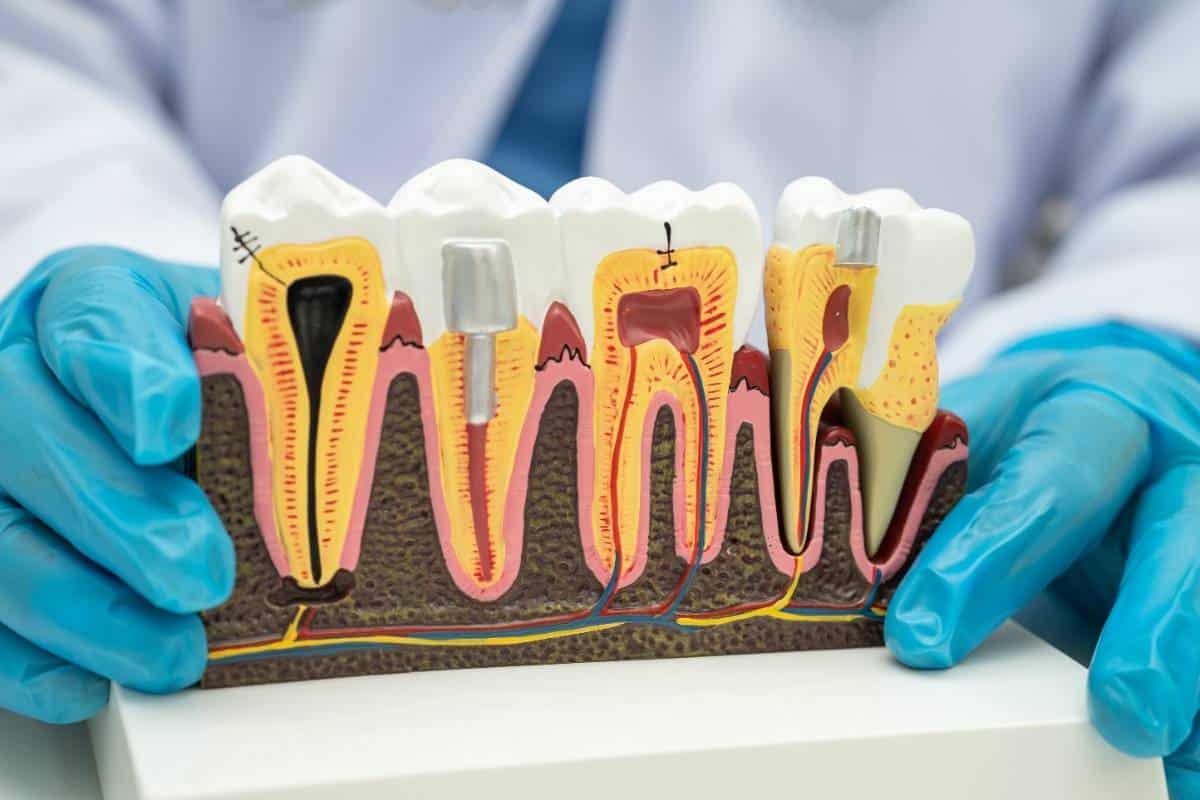
Can A Root Canal Save A Severely Damaged Tooth?
Aug. 12, 2026
Can Cosmetic Dentistry Close Gaps Between Teeth?
Aug. 05, 2026
How Do Family Dentists Treat Tooth Decay?
Jul. 29, 2026
How Does Family Dentistry Support Long-Term Oral Health?
Jul. 22, 2026
Can Cosmetic Dentistry Fix Damaged Teeth and Restore Your Perfect Smile?
Catagories
- Cosmetic Dentistry (36)
- Dental Care (21)
- Dental Crowns (3)
- Dental Emergency (20)
- Dental Health (9)
- Dental Implant (2)
- Dental Sealants (3)
- Dentist (7)
- Dentures (3)
- Endodontic Treatment (4)
- Family Dentistry (1)
- General Dentistry (9)
- Invisalign (12)
- Oral Care (11)
- Pediatric Dentistry (2)
- Pediatric Dentistry (5)
- Restorative Dentistry (1)
- Root Canal Therapy (4)
- Smile Makeover (3)
- Teeth Whitening (1)
- Tooth Extraction (8)
- Uncategorized (0)