

August 5, 2026
Family Dentistry
Have you ever noticed a small dark spot on your tooth or felt a sudden twinge when enjoying an ice cream or sipping hot coffee? These seemingly minor symptoms may be early signs of tooth decay—a condition that affects millions of Americans every year. The good news is that when cavities are detected early, family dentists can often treat them quickly, comfortably, and conservatively.
A Trusted local Lee’s Summit dentist provides comprehensive dental care for patients of all ages, from young children getting their first teeth to older adults maintaining lifelong oral health. Their goal isn’t just to fill cavities—it’s to prevent decay, preserve natural teeth, and educate families about healthy habits that reduce the risk of future dental problems.
According to the Centers for Disease Control and Prevention (CDC), over 90% of adults aged 20 to 64 have experienced dental caries (cavities) in their permanent teeth. Additionally, the National Institute of Dental and Craniofacial Research (NIDCR) reports that untreated tooth decay remains one of the most common chronic diseases affecting both children and adults in the United States. Fortunately, advances in preventive dentistry, digital diagnostics, and minimally invasive treatments have made cavity care more effective than ever.
In this guide, you’ll learn how family dentists diagnose tooth decay, the different treatment options available, and the preventive strategies that help patients of every age maintain healthy, cavity-free smiles.
What Is Tooth Decay?
Tooth decay, also called dental caries, occurs when bacteria in the mouth produce acids that gradually dissolve tooth enamel.
This process begins when plaque bacteria feed on sugars and starches from food and drinks. The acids they produce weaken enamel, creating tiny areas of demineralization. Without treatment, these areas can progress into cavities that reach deeper layers of the tooth.
If decay is left untreated, it may eventually affect the dental pulp, leading to pain, infection, or even tooth loss.
Tooth Decay by the Numbers
Tooth decay remains one of the most widespread oral health conditions.
Recent data include:
- According to the CDC, more than 90% of adults aged 20–64 have experienced dental caries.
- The CDC also reports that over half of children aged 6–8 years have had at least one cavity in a primary (baby) tooth.
- The World Health Organization (WHO) estimates that approximately 2.5 billion people worldwide are affected by untreated cavities in permanent teeth.
- Research published in the Journal of Dental Research shows that early diagnosis and preventive care significantly reduce the need for extensive restorative treatment.
- The American Dental Association (ADA) recommends regular dental examinations and fluoride use as key strategies for preventing cavities.
These statistics highlight why routine family dental care is so important.
What Causes Tooth Decay?
Several factors contribute to cavity formation.
Common causes include:
- Frequent consumption of sugary foods and drinks
- Poor brushing and flossing habits
- Plaque buildup
- Dry mouth
- Inadequate fluoride exposure
- Deep grooves in teeth
- Certain medical conditions and medications
Tooth decay usually develops from a combination of these risk factors rather than a single cause.
Early Signs of Tooth Decay
Cavities often begin without pain.
Early warning signs include:
- White chalky spots on enamel
- Brown or dark discoloration
- Sensitivity to hot, cold, or sweets
- Mild discomfort while chewing
- Food frequently getting stuck between teeth
Regular dental checkups help detect decay before symptoms become severe.
How Family Dentists Diagnose Tooth Decay
Comprehensive Dental Examination
Your family dentist in Lee’s Summit carefully examines each tooth for signs of:
- Enamel damage
- Soft areas
- Discoloration
- Plaque accumulation
- Gum health
Visual examinations remain an important first step.
Digital Dental X-Rays
Many cavities develop between teeth or beneath existing restorations.
Digital X-rays help detect:
- Hidden decay
- Bone loss
- Recurrent cavities
- Deep infections
Digital imaging uses lower radiation than traditional film in many cases and provides highly detailed diagnostic images.
Cavity Detection Technology
Some dental offices also use:
- Laser cavity detection devices
- Intraoral cameras
- Digital scanners
These technologies may help identify early decay before it becomes visible to the naked eye.
Treatment Options for Tooth Decay
The appropriate treatment depends on how far the decay has progressed.
1. Fluoride Treatment for Early Decay
When decay is detected before a cavity forms, fluoride may help strengthen weakened enamel.
Professional fluoride treatments:
- Promote remineralization
- Slow early decay
- Reduce cavity risk
Early intervention may eliminate the need for a filling.
2. Tooth-Colored Fillings
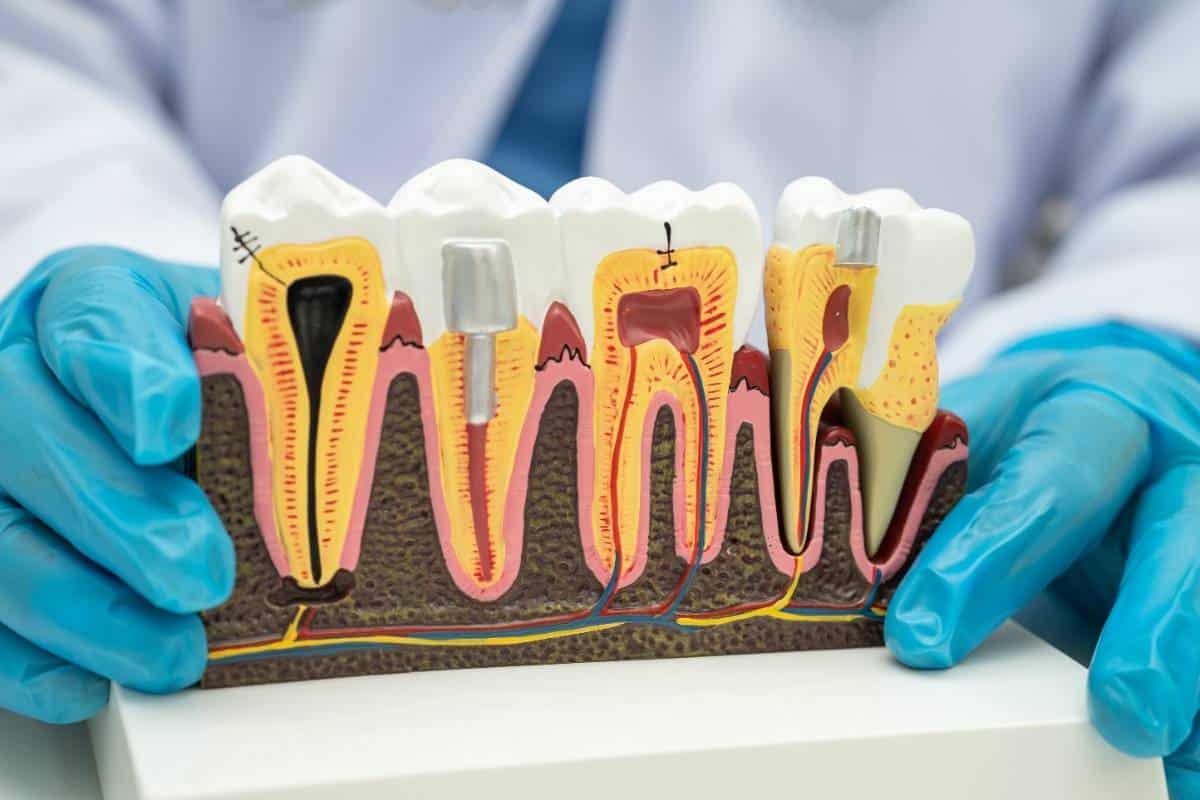
If a cavity has formed, the most common treatment is a composite resin filling.
The dentist:
- Removes decayed tooth structure
- Cleans the area
- Places a tooth-colored filling
- Shapes and polishes the restoration
Composite fillings blend naturally with surrounding teeth and bond directly to enamel.
3. Dental Crowns
When decay is extensive, a filling may not provide enough support.
A dental crown covers the remaining tooth structure, restoring:
- Strength
- Function
- Appearance
Crowns are commonly recommended after large cavities or fractures.
4. Root Canal Therapy
If decay reaches the dental pulp, bacteria can infect the nerve tissue.
Root canal treatment removes the infected pulp, disinfects the root canals, and seals the tooth to preserve it whenever possible.
According to the American Association of Endodontists (AAE), millions of root canal procedures are successfully performed in the United States each year.
5. Tooth Extraction
If a tooth is too severely damaged to restore, extraction may be the best option.
After removal, your dentist may discuss tooth replacement options such as:
- Dental implants
- Bridges
- Partial dentures
Replacing missing teeth helps maintain proper chewing function and alignment.
How Family Dentists Prevent Future Cavities
Treatment is only part of comprehensive dental care.
Family dentists also focus on prevention through:
Professional Dental Cleanings
Regular cleanings remove plaque and tartar that brushing alone cannot eliminate.
Fluoride Applications
Professional fluoride strengthens enamel and helps reduce future decay.
Dental Sealants
Sealants are thin protective coatings placed on chewing surfaces of molars.
According to the Centers for Disease Control and Prevention (CDC), dental sealants can reduce cavities in permanent molars by up to 80% during the first two years after placement.
Nutrition Counseling
Your dentist may recommend:
- Drinking more water
- Limiting sugary beverages
- Reducing sticky snacks
- Choosing calcium-rich foods
Healthy dietary habits significantly reduce cavity risk.
Oral Hygiene Education
Patients receive personalized instruction on:
- Proper brushing technique
- Daily flossing
- Fluoride toothpaste use
- Electric toothbrush recommendations when appropriate
Why Early Treatment Matters
Treating decay early helps:
- Preserve natural tooth structure
- Reduce treatment costs
- Prevent pain
- Avoid infection
- Lower the risk of root canal therapy
- Maintain healthy chewing function
Small cavities are generally easier and less invasive to treat than advanced decay.
Tooth Decay in Children
Family dentists play a vital role in preventing childhood cavities.
Recommended strategies include:
- First dental visit by age one
- Fluoride toothpaste in age-appropriate amounts
- Limiting sugary drinks
- Regular examinations
- Dental sealants when indicated
Establishing healthy habits early supports lifelong oral health.
Tooth Decay in Adults and Seniors
Adults may experience cavities because of:
- Receding gums
- Dry mouth
- Existing dental restorations
- Medication side effects
Older adults are also at increased risk for root decay as gum tissue naturally recedes with age.
Routine dental care remains essential throughout adulthood.
Tips for Preventing Tooth Decay at Home
Protect your smile by:
- Brushing twice daily with fluoride toothpaste.
- Flossing every day.
- Drinking fluoridated water when available.
- Limiting sugary snacks between meals.
- Visiting your family dentist every six months.
- Replacing your toothbrush every three to four months.
Small daily habits make a significant difference over time.
Common Myths About Cavities
Myth 1: If My Tooth Doesn’t Hurt, I Don’t Have a Cavity
Fact: Many cavities develop without pain during the early stages.
Myth 2: Baby Teeth Don’t Need Fillings
Fact: Healthy baby teeth are important for chewing, speech development, and guiding permanent teeth into place.
Myth 3: Cavities Always Require a Root Canal
Fact: Most cavities are treated with simple fillings when detected early.
Root canal therapy is typically needed only when decay reaches the pulp.
When Should You See a Family Dentist?
Schedule an appointment if you notice:
- Tooth sensitivity
- Persistent toothache
- Visible holes in teeth
- Brown, black, or white spots
- Swollen gums near a tooth
- Pain when chewing
Prompt evaluation allows for earlier, more conservative treatment.
Conclusion
Tooth decay is one of the most common dental conditions, but it is also one of the most preventable and treatable. Family dentists use a combination of routine examinations, digital diagnostics, fluoride therapy, fillings, crowns, and root canal treatment to stop decay and preserve natural teeth whenever possible. Equally important, they provide preventive care and personalized guidance that help patients of all ages reduce their risk of future cavities.
By maintaining good oral hygiene at home, eating a balanced diet, and visiting your family dentist regularly, you can protect your smile and avoid more complex dental problems. Early detection remains the key to simpler treatment, lower costs, and better long-term oral health.
Frequently Asked Questions
- How do family dentists treat a cavity?
Treatment depends on the stage of decay. Early enamel damage may be managed with fluoride therapy, while established cavities typically require tooth-colored fillings. Larger cavities may need crowns, and advanced infections may require root canal therapy.
- Can tooth decay be reversed?
Early demineralization may be reversed with fluoride, improved oral hygiene, and dietary changes. Once a cavity forms, however, restorative treatment is generally necessary.
- Are tooth-colored fillings durable?
Yes. Modern composite resin fillings are strong, natural-looking, and suitable for many small to medium-sized cavities when properly cared for.
- How often should I visit a family dentist to prevent cavities?
Most people benefit from dental checkups and professional cleanings every six months, although your dentist may recommend a different schedule based on your oral health and cavity risk.
- What foods help reduce the risk of tooth decay?
Foods rich in calcium and phosphorus, such as milk, cheese, yogurt, leafy greens, nuts, and lean proteins, support strong teeth. Drinking water and limiting sugary snacks and beverages also help reduce the risk of cavities.
Recent Posts
Aug. 19, 2026
Can A Root Canal Save A Severely Damaged Tooth?

Aug. 12, 2026
Can Cosmetic Dentistry Close Gaps Between Teeth?
Aug. 05, 2026
How Do Family Dentists Treat Tooth Decay?

Jul. 29, 2026
How Does Family Dentistry Support Long-Term Oral Health?

Jul. 22, 2026
Can Cosmetic Dentistry Fix Damaged Teeth and Restore Your Perfect Smile?
Catagories
- Cosmetic Dentistry (36)
- Dental Care (21)
- Dental Crowns (3)
- Dental Emergency (20)
- Dental Health (9)
- Dental Implant (2)
- Dental Sealants (3)
- Dentist (7)
- Dentures (3)
- Endodontic Treatment (4)
- Family Dentistry (1)
- General Dentistry (9)
- Invisalign (12)
- Oral Care (11)
- Pediatric Dentistry (2)
- Pediatric Dentistry (5)
- Restorative Dentistry (1)
- Root Canal Therapy (4)
- Smile Makeover (3)
- Teeth Whitening (1)
- Tooth Extraction (8)
- Uncategorized (0)