
August 19, 2026
Restorative Dentistry
A severely damaged tooth can be alarming. Whether the damage is caused by a deep cavity, a cracked tooth, repeated dental procedures, or an unexpected injury, many patients assume that extraction is the only solution. Fortunately, that’s not always the case. In many situations, root canal therapy can save a tooth that would otherwise be lost, allowing you to keep your natural smile and avoid more extensive restorative treatment.
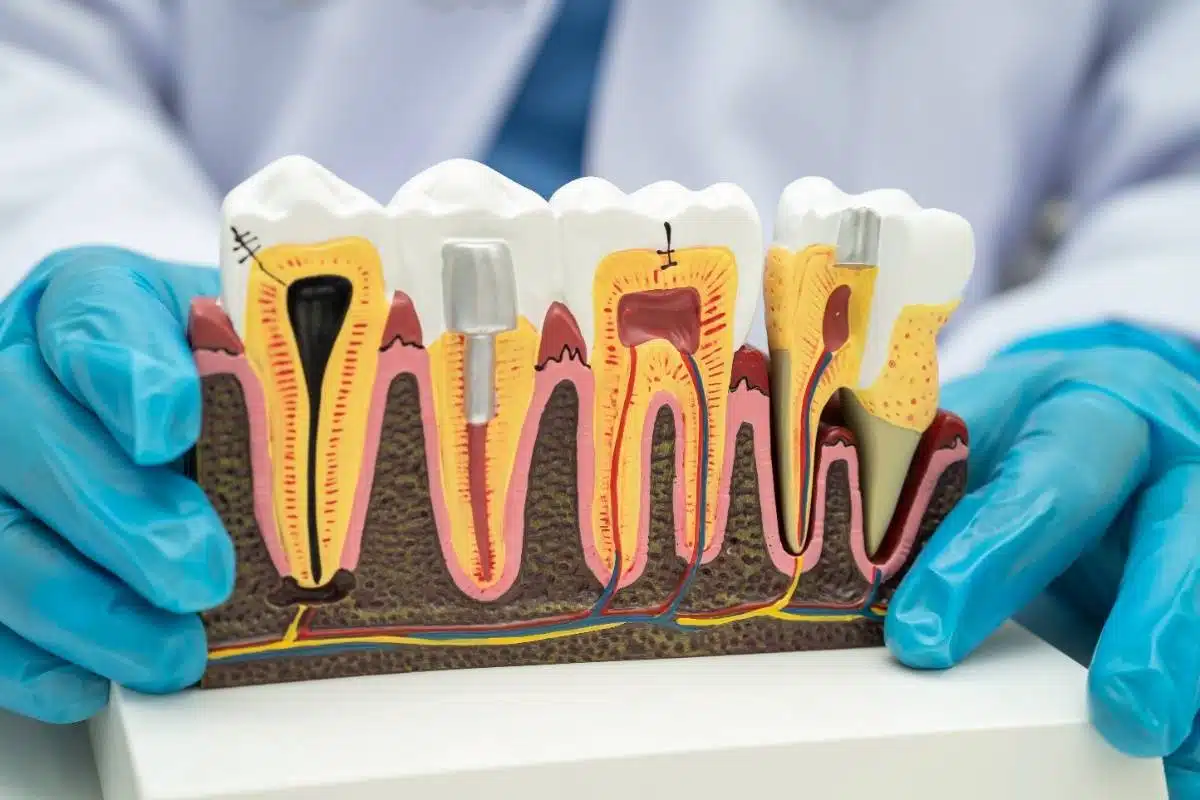
Modern root canal treatment removes infected or inflamed tissue from inside the tooth while preserving the healthy outer structure. Once the infection is eliminated, the tooth is cleaned, sealed, and usually protected with a custom dental crown. Thanks to advances in dental technology, local anesthesia, and improved techniques, root canals today are more comfortable and predictable than many people expect.
According to the American Association of Endodontists (AAE), more than 15 million root canal procedures are performed annually in the United States, helping millions of patients preserve their natural teeth. Research published in the Journal of Endodontics reports that properly treated and restored teeth have long-term survival rates exceeding 90% in many clinical studies. The American Dental Association (ADA) also emphasizes that saving a natural tooth whenever possible is generally the preferred approach because it helps maintain normal chewing function, jawbone health, and overall oral stability.
In this guide, you’ll learn when a root canal can save a severely damaged tooth, how the procedure works, success rates, recovery expectations, and when extraction may still be the better option.
What Causes Severe Tooth Damage?
Several dental conditions can damage a tooth enough to require root canal therapy.
Common causes include:
- Deep tooth decay
- Large untreated cavities
- Cracked teeth
- Dental trauma
- Repeated dental procedures
- Severe tooth fractures
- Advanced wear
- Infection reaching the dental pulp
Without treatment, bacteria can spread into the pulp chamber, causing inflammation, infection, and significant pain.
Root Canal Treatment by the Numbers
Research continues to support root canal therapy as a safe and effective treatment.
Key statistics include:
- According to the American Association of Endodontists (AAE), more than 15 million root canal procedures are performed each year in the United States.
- Clinical studies published in the Journal of Endodontics report success rates greater than 90% for properly treated and restored teeth.
- The American Dental Association (ADA) recommends preserving natural teeth whenever possible because they function better than artificial replacements.
- The Centers for Disease Control and Prevention (CDC) reports that more than 90% of adults aged 20–64 have experienced dental caries, one of the leading causes of root canal treatment.
- Research shows that teeth restored with crowns after root canal therapy generally have better long-term survival than those left without full coverage.
Signs You May Need a Root Canal
Symptoms vary depending on the infection’s severity.
Common warning signs include:
- Persistent toothache
- Sensitivity to hot or cold that lingers
- Pain when biting or chewing
- Swollen gums near the affected tooth
- Dark discoloration of the tooth
- A pimple-like bump on the gums
- Facial swelling in severe cases
Some infected teeth produce few symptoms, making regular dental examinations essential.
How Does a Root Canal Save the Tooth?
Root canal therapy focuses on preserving the healthy outer tooth structure.
The procedure generally involves:
Step 1: Diagnosis
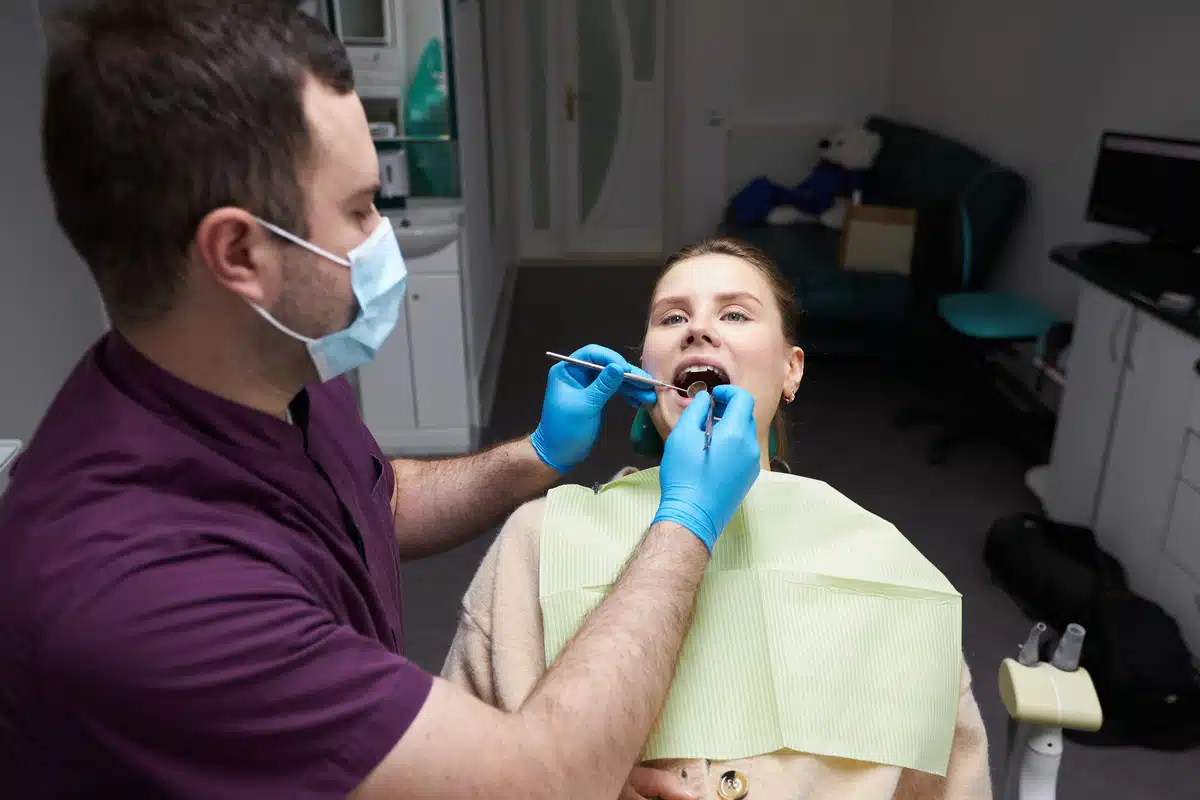
Your dentist performs:
- Clinical examination
- Digital X-rays
- Pulp vitality testing
- Bite evaluation
This confirms whether the pulp has been irreversibly damaged.
Step 2: Local Anesthesia
The area is numbed to maximize patient comfort.
Modern anesthetic techniques allow most patients to experience little discomfort during treatment.
Step 3: Removing the Infected Pulp
The dentist creates a small opening in the tooth.
Specialized instruments remove:
- Infected pulp tissue
- Bacteria
- Debris
The dentist then carefully shapes and disinfects the canals.
Step 4: Sealing the Root Canals
After cleaning, the canals are filled with a biocompatible material called gutta-percha.
This seals the canals and helps prevent reinfection.
Step 5: Restoring the Tooth
Most back teeth—and many front teeth with significant structural loss—receive a custom dental crown.
The crown restores:
- Strength
- Appearance
- Chewing function
Can Every Damaged Tooth Be Saved?
Unfortunately, no.
A root canal is successful only if enough healthy tooth structure remains to support restoration.
Some teeth cannot be saved because of:
- Vertical root fractures
- Severe bone loss
- Extensive structural damage below the gumline
- Non-restorable decay
Your dentist will determine whether restoration is feasible.
Root Canal vs. Tooth Extraction
When both options are possible, preserving the natural tooth is often preferred.
Root Canal Benefits
- Maintains natural tooth
- Preserves normal chewing
- Helps maintain jawbone stimulation
- Prevents neighboring teeth from shifting
- Usually requires fewer future procedures
Tooth Extraction Considerations
Removing a tooth may require replacement with:
- Dental implant
- Dental bridge
- Partial denture
Replacing a missing tooth often takes additional time and costs more.
Recovery After a Root Canal
Most patients recover quickly.
Common experiences include:
- Mild soreness for several days
- Temporary tenderness when chewing
- Improvement with over-the-counter pain medication
Most individuals return to normal daily activities within 24 hours.
Your dentist may recommend avoiding chewing on the treated tooth until the permanent restoration is placed.
How Long Does a Root Canal Last?
With proper care, many root canal-treated teeth remain functional for decades.
Long-term success depends on:
- Excellent oral hygiene
- Timely crown placement
- Routine dental checkups
- Avoiding excessive biting forces
Clinical studies demonstrate excellent longevity when the tooth is properly restored.
How to Protect a Root Canal-Treated Tooth
Maintain your restored tooth by:
- Brushing twice daily with fluoride toothpaste.
- Flossing every day.
- Wearing a nightguard if you grind your teeth.
- Avoiding chewing ice or hard objects.
- Visiting your trusted Lee’s Summit dentist regularly.
These habits help extend the life of both the tooth and the crown.
Common Myths About Root Canals
Myth 1: Root Canals Are Extremely Painful
Fact: Modern root canal treatment is typically no more uncomfortable than receiving a dental filling thanks to advances in anesthesia and techniques.
Myth 2: Tooth Extraction Is Always Better
Fact: Whenever possible, preserving the natural tooth is generally the preferred treatment because it maintains function and reduces the need for replacement.
Myth 3: A Root Canal Removes the Tooth’s Roots
Fact: The roots remain in place. Only the infected or inflamed pulp tissue inside the canals is removed.
When Should You See a Dentist?
Schedule an appointment promptly if you experience:
- Persistent tooth pain
- Swelling around a tooth
- Severe sensitivity
- Pain when chewing
- Tooth discoloration
- Dental trauma
Early treatment can improve the chances of saving the tooth.
Benefits of Saving Your Natural Tooth
Whenever clinically possible, preserving your natural tooth offers several advantages:
- Maintains natural bite function
- Preserves surrounding bone
- Supports neighboring teeth
- Restores normal chewing
- Maintains natural appearance
- Often reduces the need for more complex restorative procedures
Saving a natural tooth is frequently the most conservative long-term solution.
Conclusion
A severely damaged tooth doesn’t automatically need to be removed. In many cases, root canal therapy can successfully eliminate infection, relieve pain, and preserve the natural tooth for many years. Modern techniques, advanced imaging, and improved restorative materials have made root canal treatment one of the most predictable procedures in dentistry, with high long-term success rates when combined with proper restoration and ongoing oral care.
If you’re experiencing persistent tooth pain, sensitivity, or swelling, don’t delay seeking professional evaluation. Early diagnosis gives your dentist the best opportunity to save your tooth before the damage becomes irreversible. By choosing timely treatment and maintaining excellent oral hygiene afterward, you can protect your natural smile and enjoy healthy function for years to come.
Frequently Asked Questions
- Can a root canal save a severely damaged tooth?
Yes. If enough healthy tooth structure remains and the tooth can be properly restored, a root canal can often save a severely damaged tooth by removing infection and preserving the natural root.
- How successful are root canals?
Clinical studies report success rates of more than 90% for properly treated and restored teeth, particularly when followed by good oral hygiene and routine dental care.
- Will I need a crown after a root canal?
Many teeth—especially molars and premolars—benefit from a dental crown after root canal therapy to restore strength and reduce the risk of fracture.
- Is it better to remove the tooth instead of getting a root canal?
Whenever possible, preserving your natural tooth is generally the preferred option because it helps maintain chewing function, jawbone health, and proper tooth alignment.
- How long does recovery take after a root canal?
Most patients experience mild soreness for a few days and can return to normal activities within 24 hours. Full healing continues over time as the surrounding tissues recover.
Recent Posts
Aug. 19, 2026
Can A Root Canal Save A Severely Damaged Tooth?

Aug. 12, 2026
Can Cosmetic Dentistry Close Gaps Between Teeth?

Aug. 05, 2026
How Do Family Dentists Treat Tooth Decay?
Jul. 29, 2026
How Does Family Dentistry Support Long-Term Oral Health?

Jul. 22, 2026
Can Cosmetic Dentistry Fix Damaged Teeth and Restore Your Perfect Smile?
Catagories
- Cosmetic Dentistry (36)
- Dental Care (21)
- Dental Crowns (3)
- Dental Emergency (20)
- Dental Health (9)
- Dental Implant (2)
- Dental Sealants (3)
- Dentist (7)
- Dentures (3)
- Endodontic Treatment (4)
- Family Dentistry (1)
- General Dentistry (9)
- Invisalign (12)
- Oral Care (11)
- Pediatric Dentistry (2)
- Pediatric Dentistry (5)
- Restorative Dentistry (1)
- Root Canal Therapy (4)
- Smile Makeover (3)
- Teeth Whitening (1)
- Tooth Extraction (8)
- Uncategorized (0)