
July 29, 2026
Dentist
Have you ever wondered why some families seem to have “perfect teeth” while others feel like they’re constantly in the dentist’s chair? Is it just luck, or is there a secret recipe for a lifetime of healthy smiles?
If you’ve been bouncing between different clinics for your kids, yourself, and your parents, you might be missing out on the single most effective “cheat code” in modern medicine: Family Dentistry. But what exactly makes a family dentist different from a regular one, and how does seeing the same person for twenty years actually change your health? Let’s dive into the data and see why your choice of provider today dictates your smile in ten years.
What Is Family Dentistry?
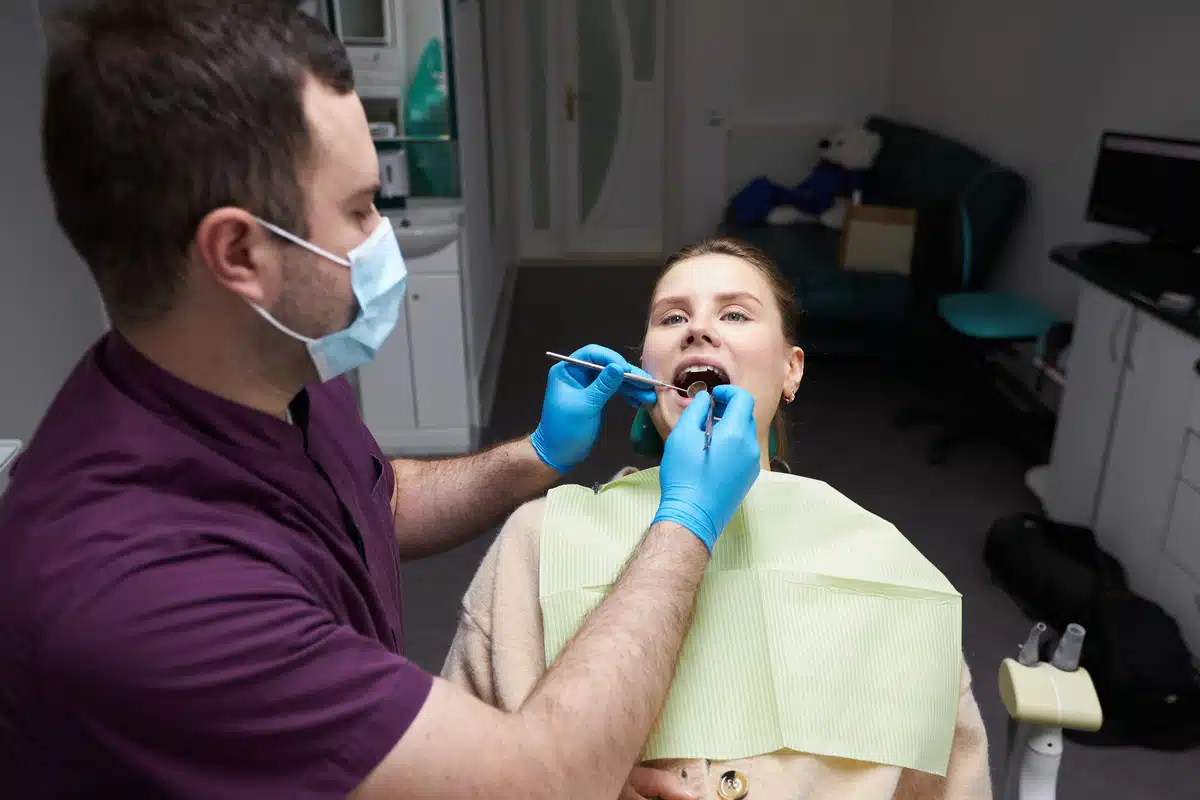
Family dentistry is dental care created to serve all ages — from toddlers to grandparents — under one roof. Instead of visiting a pediatric dentist for the kids and a separate dentist for adults, you and your loved ones receive continuous, coordinated care from a dental team familiar with your family’s health history.
This long-term, relationship-centered model helps dentists tailor plans that adapt as each family member grows and their needs evolve.
Why Preventive Care Is the Heart of Long-Term Oral Health
Most People Aren’t Getting Enough Dental Care
Even though dental checkups are essential:
- Only about 65% of U.S. adults had a dental exam or cleaning in the past year — leaving roughly 35% without routine care.
- About 86.9% of U.S. children had visited a dentist in the past year (a great improvement over past decades), but that still leaves a significant number who did not.
Regular checkups are linked to better oral health outcomes and reduced need for costly major treatments later in life, yet many families skip them due to fear, cost, or lack of awareness.
How Family Dentistry Proactively Prevents Dental Problems
Early Detection of Decay and Gum Disease
One big advantage of regular family care is catching trouble early. A family dentist in Lee’s Summit can spot signs of tooth decay, gum disease, and even oral cancer before they require expensive procedures.
Consider this: periodontal (gum) disease affects nearly half of Americans over age 30, yet many don’t realize there’s an issue until it’s progressed. Minimal intervention, such as cleanings or scaling, can halt the disease before it becomes severe.
Lifelong Dental Health Starts Early
Family dentists aren’t just adults’ dentists — they’re pediatric dental partners, too. Bringing children in early helps:
- Monitor teeth and jaw development
- Teach proper brushing and flossing
- Apply protective treatments like sealants and fluoride
According to oral health data, about 46% of U.S. children aged 2–19 had at least one untreated or restored cavity — a preventable problem with regular dental care.
And yet, fewer than half of children under age 3 have seen a dentist, even though the American Dental Association (ADA) recommends a dental visit by the first tooth or first birthday.
Early habits matter. Children who are familiar with their dentist from an early age are far more likely to maintain good oral hygiene and avoid dental anxiety.
Building Trust & Comfort — One Family at a Time
Family dentistry isn’t just about technical treatment — it’s about relationships.
When your dentist knows your family history — from childhood cavities to adult restorations to senior care needs — they can predict potential issues and personalize treatment. Familiarity:
- Reduces dental anxiety
- Encourages routine visits
- Improves communication
- Helps create age-specific prevention plans
Parents and kids are far more comfortable visiting the same dentist they know and trust, which encourages regular care rather than “only when something hurts.”
Simplified Scheduling & One-Stop Care
What do busy parents love most? Convenience.
Family dentistry allows families to:
- Schedule multiple appointments together
- Manage dental insurance easily
- Coordinate care under one roof
- Avoid the navigational stress of multiple specialists
This streamlined system helps families stay consistent with care — a key factor in preventing problems from developing or worsening.
Preventive Care = Big Savings Over Time
Skipping dental visits can feel like saving money — but it often leads to bigger bills later.
For example, preventive care like cleanings and checkups costs far less than restorative care like crowns, root canals, or extractions. Routine visits catch small issues before they become big ones, often saving families hundreds or even thousands of dollars over a lifetime.
And statistics show a clear link between preventive dental care and better self-reported oral health quality — adults who had preventive dentistry twice a year were much more likely to rate their oral health as “excellent” or “very good.”
Oral Health and Overall Health: A Crucial Link
Did you know your mouth can be a window into your overall health?
Research shows that poor oral health is linked with higher risks of:
- Heart disease
- Diabetes
- Respiratory issues
- Inflammatory conditions
Professional dental visits aren’t just about teeth — they help monitor health indicators that relate to your entire body.
Caring for Every Stage of Life
Family dentistry isn’t static — it evolves with each generation:
For Kids
- Preventive care
- Friendly early experiences
- Bite and alignment monitoring
For Adults
- Restorative care
- Gum disease management
- Cosmetic services
For Seniors
- Managing dry mouth
- Dentures and implants
- Age-related oral health concerns
This continuity ensures oral health is a priority at every age — not just when pain shows up.
Real Numbers: The Big Picture
Let’s recap some important stats showing why family dentistry matters:
- 65% of adults had a dental exam or cleaning in the past year — meaning 1 in 3 skipped prevention.
- 87% of children had a dental visit in the past year — up from previous years.
- 46% of children had untreated or restored cavities — showing a need for continual care.
- 55% of adults who reported “excellent” oral health received preventive care twice a year.
These numbers reflect the big impact of preventive, consistent dentistry on community health and family well-being.
Conclusion
Family dentistry is more than just a convenience for busy schedules; it is a longitudinal approach to wellness. By combining continuity of care, early preventive intervention, and a deep understanding of family genetics, these practitioners act as the guardians of your household’s health.
When you choose a family dentist, you aren’t just booking a cleaning; you’re investing in a relationship that will save you thousands of dollars and significantly reduce your risk of systemic illness. After all, a healthy smile is a lifelong asset—shouldn’t you have a partner who has been there for the whole journey?
Frequently Asked Questions
- What exactly does a family dentist do?
A family dentist provides dental care for patients of all ages — from children to seniors — including preventive checkups, cleanings, restorative work, and personalized oral health guidance. - How often should my family visit the dentist?
Most dental professionals recommend at least twice a year (every six months), though individual needs may vary based on oral health history. - Is family dentistry more expensive?
Not necessarily. While dental costs vary, preventive care through family dentistry often saves money in the long term by preventing costly procedures later. - Can family dentistry help with oral health education?
Absolutely. Family dentists teach proper brushing, flossing, diet tips, and healthy habits to support oral health at all ages. - When should a child first see a dentist?
The ADA recommends a dental visit by the first birthday or within six months after the first tooth appears.
Recent Posts
Aug. 19, 2026
Can A Root Canal Save A Severely Damaged Tooth?

Aug. 12, 2026
Can Cosmetic Dentistry Close Gaps Between Teeth?
Aug. 05, 2026
How Do Family Dentists Treat Tooth Decay?
Jul. 29, 2026
How Does Family Dentistry Support Long-Term Oral Health?

Jul. 22, 2026
Can Cosmetic Dentistry Fix Damaged Teeth and Restore Your Perfect Smile?
Catagories
- Cosmetic Dentistry (36)
- Dental Care (21)
- Dental Crowns (3)
- Dental Emergency (20)
- Dental Health (9)
- Dental Implant (2)
- Dental Sealants (3)
- Dentist (7)
- Dentures (3)
- Endodontic Treatment (4)
- Family Dentistry (1)
- General Dentistry (9)
- Invisalign (12)
- Oral Care (11)
- Pediatric Dentistry (2)
- Pediatric Dentistry (5)
- Restorative Dentistry (1)
- Root Canal Therapy (4)
- Smile Makeover (3)
- Teeth Whitening (1)
- Tooth Extraction (8)
- Uncategorized (0)