
November 19, 2024
Cosmetic Dentistry
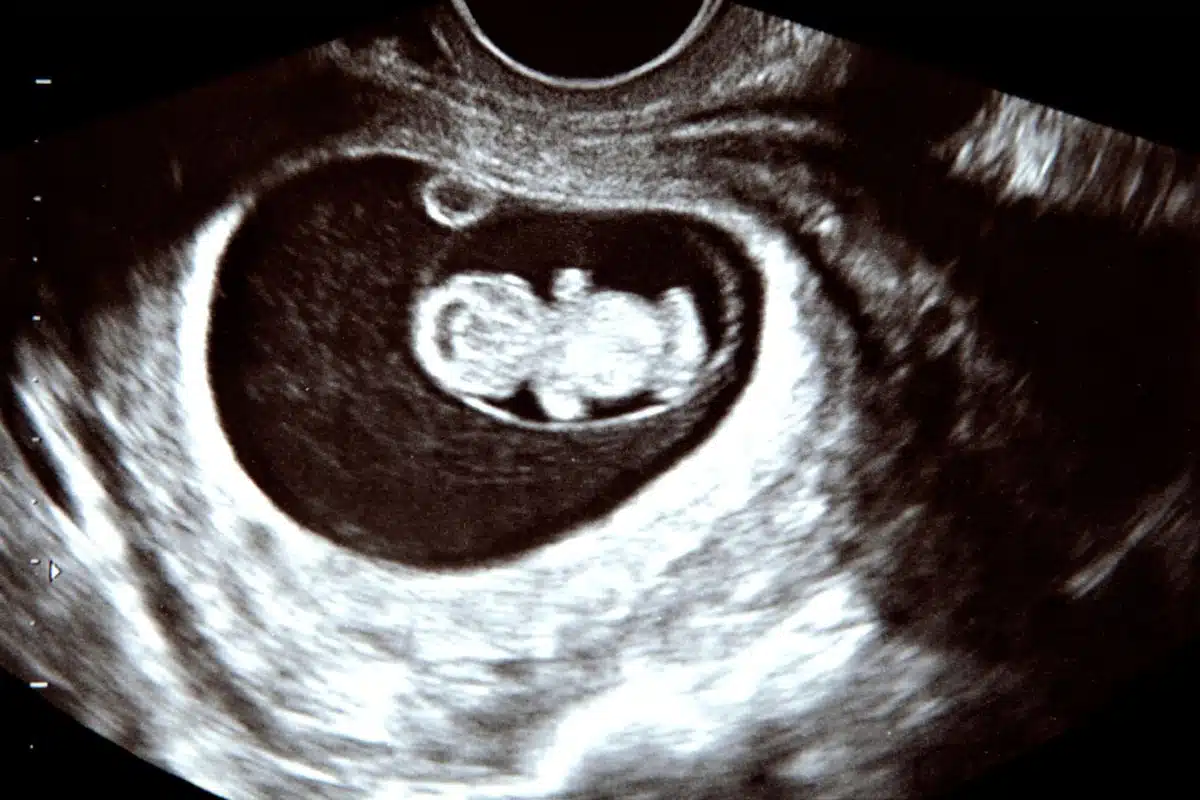
A bright smile often boosts confidence, and teeth whitening is a popular way to achieve it. While a radiant grin is valuable, the American Dental Association (ADA) advises pregnant women shouldn’t undergo teeth whitening treatment. Here’s what expecting mothers should know and why postponing dental bleaching is the safe choice.
The Appeal and Popularity of Teeth Whitening
Whitening treatments have become increasingly accessible, from in-office sessions to at-home kits. Many see it as a quick fix to improve their appearance and make a positive impression. But for expecting mothers, the ADA suggests considering other options until after delivery.
Teeth whitening generally involves bleaching agents, like hydrogen peroxide or carbamide peroxide, that remove stains. While these treatments effectively brighten teeth, their safety for pregnant women hasn’t been conclusively proven.
What’s the Concern During Pregnancy?
During pregnancy, the body goes through many changes, making it more vulnerable to external factors. Many everyday products, including cosmetics, foods, and medications, are scrutinized for their safety during this sensitive period. The primary concern with teeth whitening treatments is the possible impact of bleaching chemicals on both the mother and developing fetus.
The ADA’s Caution: Lack of Research on Bleaching Chemicals
The American Dental Association recommends caution because of limited research on teeth whitening during pregnancy. Few studies have explored the effects of hydrogen peroxide or carbamide peroxide on pregnant women, which leaves many questions unanswered. Without strong evidence, the ADA errs on the side of caution, recommending that expecting mothers avoid exposure to these chemicals.
Potential Effects of Whitening Agents
Although no studies specifically link dental bleaching products to pregnancy complications, the agents may penetrate soft tissues. When they enter these tissues, they might reach the bloodstream, leading to possible exposure for the baby. Due to the delicate nature of fetal development, medical experts prefer to eliminate any unnecessary risks.
Teeth Sensitivity and Pregnancy
Pregnancy often heightens tooth sensitivity, which can make whitening treatments more uncomfortable. Changes in hormone levels can make the gums swell and increase the likelihood of gum irritation. Using strong whitening agents on already sensitive teeth could lead to gum pain, discomfort, or even worsen dental issues. Avoiding unnecessary treatments during this time reduces the chance of experiencing additional oral pain.
Pregnancy-Related Enamel Changes
The prenatal phase can weaken tooth enamel due to frequent vomiting from morning sickness and increased acidity in the mouth. Teeth with weakened enamel are more susceptible to damage, and whitening agents can further erode them. This could lead to discomfort or long-term enamel damage, making it wise to hold off on whitening until after pregnancy.
Alternatives to Teeth Whitening During Pregnancy
Pregnancy doesn’t mean giving up on having a bright smile. There are safe alternatives that can lighten up shades of teeth without bleaching agents. Here are some ADA-recommended options:
- Good Oral Hygiene: Brushing twice daily with fluoride toothpaste and flossing helps maintain natural whiteness.
- Routine Cleanings: Schedule regular dental cleanings to remove surface stains and keep your teeth healthy.
- Eating Smart: Certain foods, like apples, carrots, and celery, naturally scrub teeth and reduce stains.
- Limit Staining Foods and Drinks: Minimize intake of coffee, tea, and dark-colored beverages to avoid additional staining.
These methods are safe, natural ways to maintain oral health and keep teeth as bright as possible without exposure to harsh chemicals.
When is it Safe to Whiten Teeth Post-Pregnancy?
Once the pregnancy and breastfeeding period are complete, whitening treatments are generally safe. Most dentists recommend waiting until after breastfeeding, as certain chemicals might still enter breast milk. Consulting your dental practitioner about timing ensures a safe return to whitening treatments when they are risk-free.
While you may feel the desire to flaunt a brighter smile, follow the ADA’s advice to avoid whitening during pregnancy. The lack of conclusive research and potential discomfort from these treatments outweigh the temporary aesthetic benefits. Prioritizing the health of both mother and baby is always the best approach, and postponing whitening treatments is a small compromise in comparison.
Recent Posts
Jun. 03, 2026
Can I Brush Teeth After Root Canal Therapy?
May. 27, 2026
Can Bad Teeth Cause An Emergency Dental Issues?
May. 20, 2026
How To Taste Changes in The Mouth After Cosmetic Dentistry Procedures?
May. 13, 2026
Which Foods To Eat and Avoid After Tooth Extractions?
May. 06, 2026
Can I Smoke After A Root Canal Cause Dry Socket?
Catagories
- Cosmetic Dentistry (34)
- Dental Care (21)
- Dental Crowns (3)
- Dental Emergency (18)
- Dental Health (9)
- Dental Implant (2)
- Dental Sealants (3)
- Dentist (6)
- Dentures (3)
- Endodontic Treatment (3)
- General Dentistry (9)
- Invisalign (12)
- Oral Care (11)
- Pediatric Dentistry (2)
- Pediatric Dentistry (5)
- Root Canal Therapy (4)
- Smile Makeover (3)
- Teeth Whitening (1)
- Tooth Extraction (8)
- Uncategorized (0)