

October 29, 2025
Cosmetic Dentistry
You’ve invested time, money, and commitment into achieving the smile of your dreams. Your teeth are straight from Invisalign, your chips and gaps are gone with veneers, crowns shield your vulnerable teeth, your smile is dramatically brighter from teeth whitening, and any painful decay has been resolved with root canal therapy.
But now what? The hardest part isn’t over—it’s just transitioned. Maintaining these life-changing results is the crucial second act of your dental journey. In the U.S., dental work is a significant investment, a single dental crown.
Don’t let that investment fade! Your long-term success depends on a targeted, consistent maintenance plan. This guide provides the data-backed care you need to ensure your restored and enhanced smile lasts for years.
Post-Procedure Care: Your New Routine
Maintaining a pristine smile with a mix of cosmetic and restorative work requires a multifaceted approach. Here is how you can ensure the longevity of each procedure.
Invisalign (Orthodontic Retention)
The greatest risk after any orthodontic treatment is relapse, which occurs when teeth attempt to shift back to their original positions.
- The Data: Inconsistent retainer wear is the number one cause of orthodontic relapse.
- The Fix: Your retainer is non-negotiable.
- Wear it: Most orthodontists recommend wearing your retainer full-time (20–22 hours per day) for the first 3-6 months, then transitioning to nightly wear indefinitely. Think of it as a lifelong commitment—a few nights a week may be enough to keep your smile in place forever.
- Clean it: Use a dedicated retainer cleaning solution or a soft toothbrush with non-abrasive soap and lukewarm water. Avoid abrasive toothpaste, which can scratch the retainer material and harbour bacteria.
Veneers and Crowns (Cosmetic Longevity)
These restorations are incredibly durable but not impervious to damage or discolouration.
- The Data: With excellent care, some dental prosthetics, like Emax veneers, have a documented longevity of 15 years or more. Dental implants, which often support crowns, have a success rate of around 95%.
- The Fix: Protect the porcelain and underlying tooth structure.
- Brushing: Use a non-abrasive, fluoride toothpaste and a soft-bristle brush. Harsh abrasives can damage the porcelain glaze on veneers and crowns, causing them to dull.
- Biting Habits: To prevent chipping or fracturing, avoid biting into extremely hard or sticky foods (like ice, hard candies, or tough crusts) directly with your veneered or crowned teeth.
- Gum Health: Veneers and crowns rely on healthy gum tissue. To prevent gingivitis, which can compromise the restoration margin, keep the gum line immaculate with daily flossing and interdental brushes.
Teeth Whitening (Maintaining Brightness)
Professional teeth whitening treatments provide immediate, dramatic results, but the effects are not permanent.
- The Data: The results of in-office whitening typically last 6 months to 3 years, depending heavily on lifestyle and diet.
- The Fix: Minimize exposure to staining agents.
- The “White Diet”: For the first 48 hours post-treatment, adhere to a “white diet,” avoiding any colored food or drink (coffee, red wine, tea, soda, dark sauces).
- Long-Term Strategy: Use a straw for staining beverages and rinse your mouth with water immediately after consuming them.
- Touch-Ups: To combat the gradual return of surface stains, plan for at-home or in-office touch-up treatments as your cosmetic dentist in Lee’s Summit.
Root Canal Therapy (Preserving the Seal)
A successful root canal saves a tooth, but the long-term success often depends on the final restoration, which is typically a crown.
- The Data: Root canal treatments have a high success rate, generally over 95%, followed by an adequate final restoration (American Association of Endodontists). However, a saved tooth that is not protected by a crown is at a higher risk of fracture.
- The Fix: Ensure the tooth is protected and the surrounding area remains clean.
- Get the Crown: If you’ve only had a temporary filling placed, follow through with the recommended permanent crown. The crown acts like a helmet, protecting the brittle, non-vital tooth from the immense forces of chewing.
- Prevent Decay: The treated tooth itself can no longer get a cavity on the inside, but the surrounding tooth structure and the crown margins can still be susceptible to new decay. Aggressive brushing and flossing are necessary to prevent issues at the gum line.
The Bottom Line: Your Core Daily Commitment
Across all these procedures, three things will universally ensure your beautiful, healthy smile endures:
- Impeccable Home Care: Brush twice daily with a soft-bristle brush and floss daily. Specialized tools like water flossers or interdental brushes are excellent for navigating the areas around crowns, implants, and under permanent retainers.
- Regular Professional Check-ups: Your dentist and hygienist are your partners in maintenance. They use specialized tools to clean around your restorations safely and check for early signs of wear, decay, or gum disease. Stick to your customized recall schedule, typically every 3 to 6 months.
- Address Grinding/Clenching: If you have a habit of clenching or grinding your teeth (bruxism), your veneers, crowns, and natural teeth are at a massive risk of damage. Ask your qualified dentist in Lee’s Summit about a custom-fitted nightguard to protect your investment while you sleep.
FAQs About Post-Treatment Maintenance
Q: Can I use any mouthwash with my veneers and crowns?
A: Generally, yes, but avoid alcohol-containing mouthwashes, as they can potentially soften the bonding materials over a long period. Always check with your dentist for a recommended, restorative-safe rinse.
Q: Will my veneers and crowns stain over time?
A: High-quality porcelain restorations are highly resistant to staining—much more so than natural enamel. However, the bonding material or the margins where they meet the tooth structure can stain. Diligent hygiene and avoiding heavy staining agents are key to keeping the entire restoration looking bright.
Q: I stopped wearing my Invisalign retainer, and my teeth shifted. What should I do?
A: Immediately contact your orthodontist or dentist. Depending on the amount of movement, you may be able to wear your retainer for longer periods to correct the shift. Still, significant relapse may require a short-term re-treatment with clear aligners. Do not force a tight retainer without professional guidance, as you could damage your teeth.
Q: Does a root canal-treated tooth feel different?
A: After the treatment and placement of the final restoration (usually a crown), the tooth should function and feel completely normal. Since the inner nerve tissue is removed, the tooth will not register hot or cold, but you will still feel pressure from chewing, as the nerve tissue in the surrounding ligament is still active.
Recent Posts
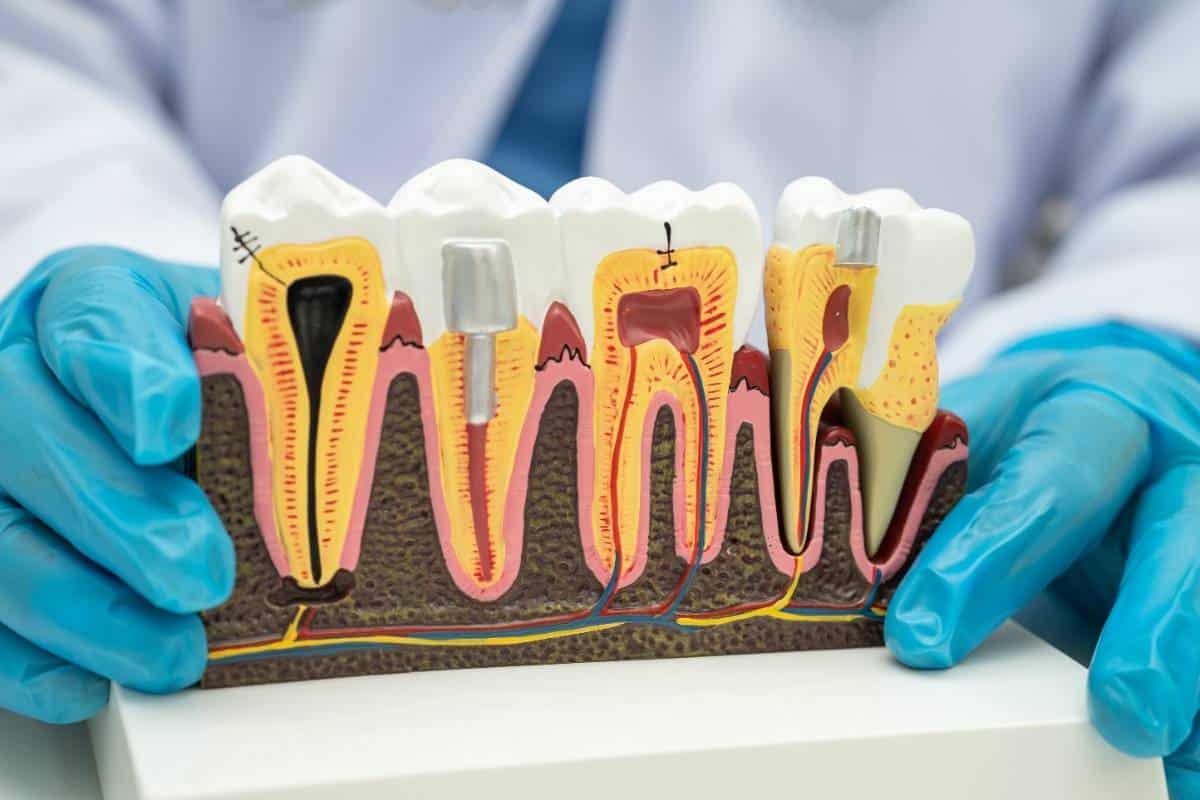
Aug. 19, 2026
Can A Root Canal Save A Severely Damaged Tooth?
Aug. 12, 2026
Can Cosmetic Dentistry Close Gaps Between Teeth?
Aug. 05, 2026
How Do Family Dentists Treat Tooth Decay?
Jul. 29, 2026
How Does Family Dentistry Support Long-Term Oral Health?
Jul. 22, 2026
Can Cosmetic Dentistry Fix Damaged Teeth and Restore Your Perfect Smile?
Catagories
- Cosmetic Dentistry (36)
- Dental Care (21)
- Dental Crowns (3)
- Dental Emergency (20)
- Dental Health (9)
- Dental Implant (2)
- Dental Sealants (3)
- Dentist (7)
- Dentures (3)
- Endodontic Treatment (4)
- Family Dentistry (1)
- General Dentistry (9)
- Invisalign (12)
- Oral Care (11)
- Pediatric Dentistry (2)
- Pediatric Dentistry (5)
- Restorative Dentistry (1)
- Root Canal Therapy (4)
- Smile Makeover (3)
- Teeth Whitening (1)
- Tooth Extraction (8)
- Uncategorized (0)