

April 2, 2024
Cosmetic Dentistry
When it comes to restoring damaged or decayed teeth, dental crowns are a popular and effective solution. Crowns are tooth-shaped caps that fit over the entire visible portion of a tooth, providing protection, restoring functionality, and enhancing aesthetics. However, the decision between composite and porcelain crowns can be a critical one, as each material offers its unique advantages and limitations.
Composite Crowns
Composite crowns, also known as tooth-colored or resin crowns, are made from a mixture of plastic and glass particles. This material is designed to mimic the natural appearance of teeth, making composite crowns an attractive option for those seeking a natural-looking restoration.
Advantages of Composite Crowns:
1. Aesthetics: Composite crowns can be color-matched to blend seamlessly with your natural teeth, providing a virtually undetectable restoration.
2. Cost-effective: Composite crowns are generally less expensive than porcelain crowns, making them a budget-friendly option for many patients.
3. Quick and easy procedure: The process of fabricating and placing composite crowns is typically faster and more straightforward than porcelain crowns.
Disadvantages of Composite Crowns:
1. Durability: While composite crowns are strong, they may not be as durable as porcelain crowns, especially in areas of high bite force or grinding.
2. Staining and discoloration: Over time, composite crowns can become stained or discolored, affecting their aesthetic appeal.
3. Limited lifespan: Composite crowns typically have a shorter lifespan compared to porcelain crowns, usually lasting 5-10 years with proper care.
Porcelain Crowns
Porcelain crowns, also known as ceramic crowns, are made from a strong, tooth-colored ceramic material. These crowns are highly valued for their exceptional strength, durability, and natural-looking appearance.
Advantages of Porcelain Crowns:
1. Durability: Porcelain crowns are highly resistant to wear and fractures, making them a long-lasting solution for dental restorations.
2. Biocompatibility: Porcelain is a non-toxic and biocompatible material, minimizing the risk of allergic reactions or adverse effects.
3. Aesthetics: Porcelain crowns can be crafted to closely mimic the translucency and natural appearance of real teeth, providing a highly realistic restoration.
Disadvantages of Porcelain Crowns:
1. Potential for wearing down opposing teeth: The hardness of porcelain can cause increased wear on opposing natural teeth over time.
2. Procedure complexity: The process of preparing the tooth and fabricating a porcelain crown can be more complex and time-consuming than composite crowns.
Choosing the Right Dental Crown
The decision between composite and porcelain crowns ultimately depends on your specific needs, preferences, and budget. Your dentist will consider several factors, including:
1. Location of the tooth: Front teeth that are highly visible may benefit from the natural-looking aesthetics of porcelain or composite crowns, while back teeth may prioritize durability over aesthetics.
2. Bite force and grinding habits: If you have a heavy bite force or tend to grind your teeth, porcelain crowns may be the more durable option.
3. Budget considerations: Composite crowns offer a more cost-effective solution, while porcelain crowns may be a more expensive investment.
4. Longevity expectations: Porcelain crowns typically have a longer lifespan compared to composite crowns, making them a more suitable choice for those seeking a long-term solution.
It’s essential to discuss your specific needs and concerns with your dentist, who can provide personalized guidance and recommendations based on your oral health, lifestyle, and aesthetic preferences.
Regardless of the material chosen, proper oral hygiene and regular dental check-ups are crucial for maintaining the longevity and integrity of your dental crowns. With the right care and maintenance, both composite and porcelain crowns can provide functional and aesthetic restorations for several years.
Recent Posts
Aug. 19, 2026
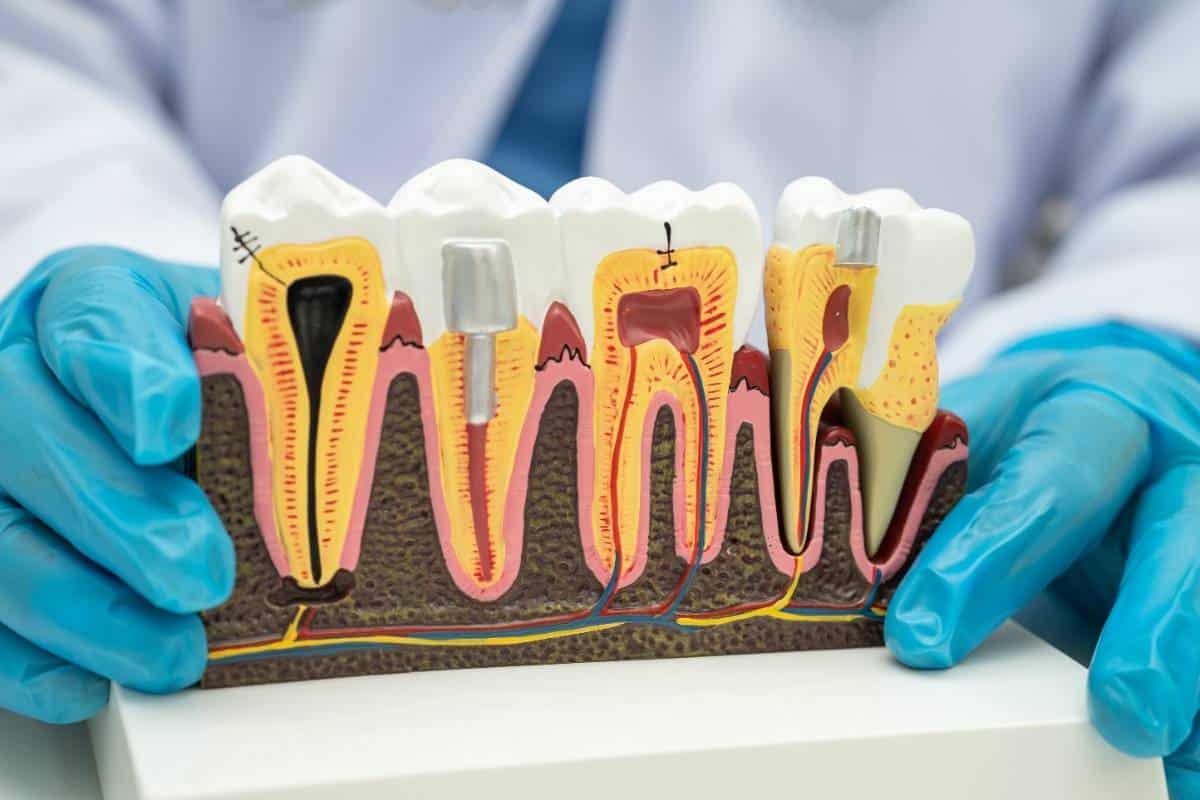
Can A Root Canal Save A Severely Damaged Tooth?

Aug. 12, 2026
Can Cosmetic Dentistry Close Gaps Between Teeth?
Aug. 05, 2026
How Do Family Dentists Treat Tooth Decay?
Jul. 29, 2026
How Does Family Dentistry Support Long-Term Oral Health?

Jul. 22, 2026
Can Cosmetic Dentistry Fix Damaged Teeth and Restore Your Perfect Smile?
Catagories
- Cosmetic Dentistry (36)
- Dental Care (21)
- Dental Crowns (3)
- Dental Emergency (20)
- Dental Health (9)
- Dental Implant (2)
- Dental Sealants (3)
- Dentist (7)
- Dentures (3)
- Endodontic Treatment (4)
- Family Dentistry (1)
- General Dentistry (9)
- Invisalign (12)
- Oral Care (11)
- Pediatric Dentistry (2)
- Pediatric Dentistry (5)
- Restorative Dentistry (1)
- Root Canal Therapy (4)
- Smile Makeover (3)
- Teeth Whitening (1)
- Tooth Extraction (8)
- Uncategorized (0)