
April 19, 2023
Tooth Extraction
A tooth extraction may seem like a scary and painful procedure, but sometimes it’s necessary to maintain good oral health. Whether you’re experiencing severe pain or your dentist recommends it as part of your treatment plan, understanding the process can help ease any anxiety you may have. In this blog post, we’ll explore what tooth extraction is, when it’s necessary, and what to expect before and after the procedure. So sit back, relax, and let’s dive into everything you need to know about tooth extraction!
What is a tooth extraction?
A tooth extraction is a dental procedure that involves the removal of a tooth from its socket in the jawbone. It’s typically performed by an oral surgeon or dentist, often as a last resort to preserve overall oral health. Two types of tooth extractions are there: Simple and Surgical.
A simple extraction is done on a visible tooth above the gum line with local anesthesia. On the other hand, if your teeth have broken off below the gum line or impacted, you may need a surgical extraction that requires more invasive techniques.
A variety of factors can necessitate this procedure such as severe decay, infections affecting surrounding teeth or gums, fractures due to accidents and injuries or overcrowding issues. In some cases, dentists recommend it before orthodontic treatment to make room for movement without causing further damage.
Before undergoing this process, your dentist will review your medical history and take X-rays which help them identify underlying problems they need to address during surgery. They also provide instructions on what you should do afterward for proper healing.
Despite being nerve-wracking at first glance, understanding what happens during and after extraction can give patients peace of mind about their oral care options moving forward.
Types of tooth extractions
There are two types of tooth extractions: simple and surgical.
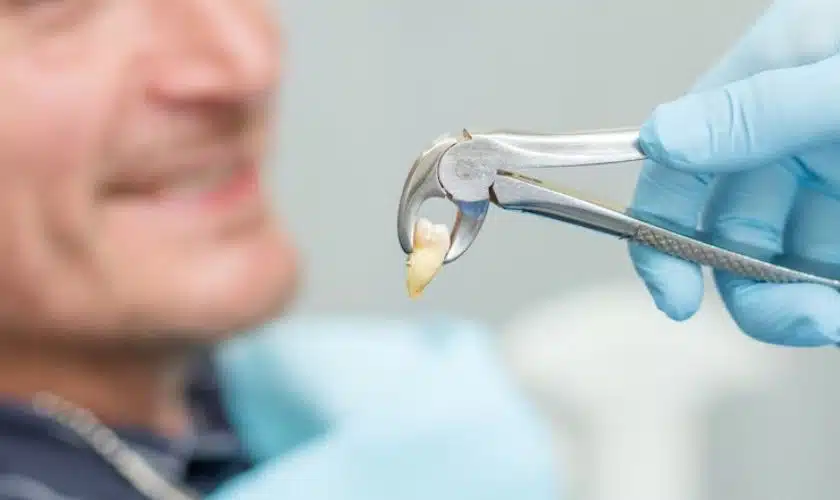
Simple extractions are performed on teeth that have already erupted from the gum line and can be done using local anesthesia. The dentist will loosen the tooth with a tool called an elevator, and then remove it with forceps.
Surgical extractions are more complex and require general anesthesia. This type of extraction is necessary when the tooth has not fully emerged from the gum line or if it has broken off at the gum line. During this procedure, an incision will be made in your gums to reach the affected tooth. In some cases, it may also involve sectioning of the tooth into pieces for easier removal.
In addition to these basic categories, there are other specialized types of extractions such as impacted wisdom teeth which usually require surgical extraction due to their location at the back of your mouth.
It’s important to note that regardless of which type you need; it’s always essential to follow all post-operative instructions provided by your dentist or oral surgeon for proper healing and recovery after surgery.
When tooth extraction is required?
A tooth extraction procedure may be necessary for various reasons, including severe decay or damage to a tooth, overcrowding, infection, and periodontal disease.
When a tooth is severely damaged or decayed beyond repair with fillings or other restorative procedures, it may need to be extracted. Additionally, impacted wisdom teeth can also cause pain and discomfort necessitating their removal.
Overcrowding of teeth is another reason why extractions are required. When there isn’t enough space in the mouth for all of the teeth to grow properly, some may need to be removed so that others can align correctly.
Periodontal disease affects the gums and bones supporting the teeth causing them to become loose which could require extraction as well. In cases where an infected tooth cannot be treated with antibiotics or root canal therapy due to advanced stages of decay then an extraction will be necessary.
Determining if you require a tooth extraction depends on your unique circumstances hence seeking advice from your dentist is crucial before any decision is made on whether this treatment option suits you.
What to expect during a tooth extraction
A tooth extraction is a dental procedure that involves the removal of one or more teeth. While it may seem intimidating, tooth extractions are generally a simple and straightforward process. What you can expect during tooth extraction is listed below :
1) Local Anesthesia: Before the procedure begins, your dentist will administer local anesthesia to numb the area around the tooth to be extracted. This helps ensure that you won’t feel any pain during the procedure.
2) Tooth Loosening: Once you’re numb, your dentist will use special instruments to loosen the tooth from its socket in your jawbone.
3) Extraction: After loosening the tooth, your dentist will carefully remove it from its socket using forceps.
4) Cleaning and Stitches (if needed): If necessary, your dentist may need to clean out any remaining debris from around the socket and then place stitches to help with healing.
5) Post-Procedure Instructions: Your dentist will provide detailed instructions on how to care for yourself after surgery which include taking medication as prescribed, avoiding certain foods and drinks for several days after surgery such as alcohol or hot liquids among others
While there may be some discomfort during recovery time following an extraction procedure; most people find that they recover quickly without complications.
After the Tooth Extraction: Care and Instructions
After tooth extraction, it is important to take proper care of the affected area to ensure quick and effective healing. Immediately after the procedure, your dentist will place a gauze pad over the socket and ask you to bite down firmly for about 30-45 minutes.
Once you leave the dental office, make sure to rest and avoid any strenuous activities for at least 24 hours. It’s also recommended that you avoid drinking hot liquids or using straws as they can dislodge or dissolve the blood clot forming in the socket.
While some bleeding is normal in the first few hours following an extraction, excessive bleeding should be reported to your dentist immediately. You may also experience pain and swelling around the affected area which can be managed with over-the-counter pain relievers such as ibuprofen.
It’s important not to smoke or use tobacco products during this time period as smoking slows down healing and increases your risk of developing a dry socket – a painful condition where blood clots break down too quickly causing bone exposure.
In addition, make sure to eat soft foods like mashed potatoes or soups during this time period while avoiding hard foods like nuts or chips that could irritate the socket. By following these instructions provided by your dentist after an extraction, you’ll help speed up recovery time and prevent complications from occurring.
Conclusion
Tooth extraction can be a daunting and nerve-wracking experience, but it is sometimes necessary for both your oral health and overall well-being. Whether you require a simple or surgical tooth extraction, understanding the procedure and what to expect beforehand can help ease any anxiety you may have. Remember that aftercare is just as important as the procedure itself. Be sure to follow all post-operative instructions provided by your dentist or oral surgeon to ensure proper healing and reduce the risk of complications.
Recent Posts
Aug. 19, 2026
Can A Root Canal Save A Severely Damaged Tooth?

Aug. 12, 2026
Can Cosmetic Dentistry Close Gaps Between Teeth?

Aug. 05, 2026
How Do Family Dentists Treat Tooth Decay?

Jul. 29, 2026
How Does Family Dentistry Support Long-Term Oral Health?

Jul. 22, 2026
Can Cosmetic Dentistry Fix Damaged Teeth and Restore Your Perfect Smile?
Catagories
- Cosmetic Dentistry (36)
- Dental Care (21)
- Dental Crowns (3)
- Dental Emergency (20)
- Dental Health (9)
- Dental Implant (2)
- Dental Sealants (3)
- Dentist (7)
- Dentures (3)
- Endodontic Treatment (4)
- Family Dentistry (1)
- General Dentistry (9)
- Invisalign (12)
- Oral Care (11)
- Pediatric Dentistry (2)
- Pediatric Dentistry (5)
- Restorative Dentistry (1)
- Root Canal Therapy (4)
- Smile Makeover (3)
- Teeth Whitening (1)
- Tooth Extraction (8)
- Uncategorized (0)