
August 28, 2024
Tooth Extraction
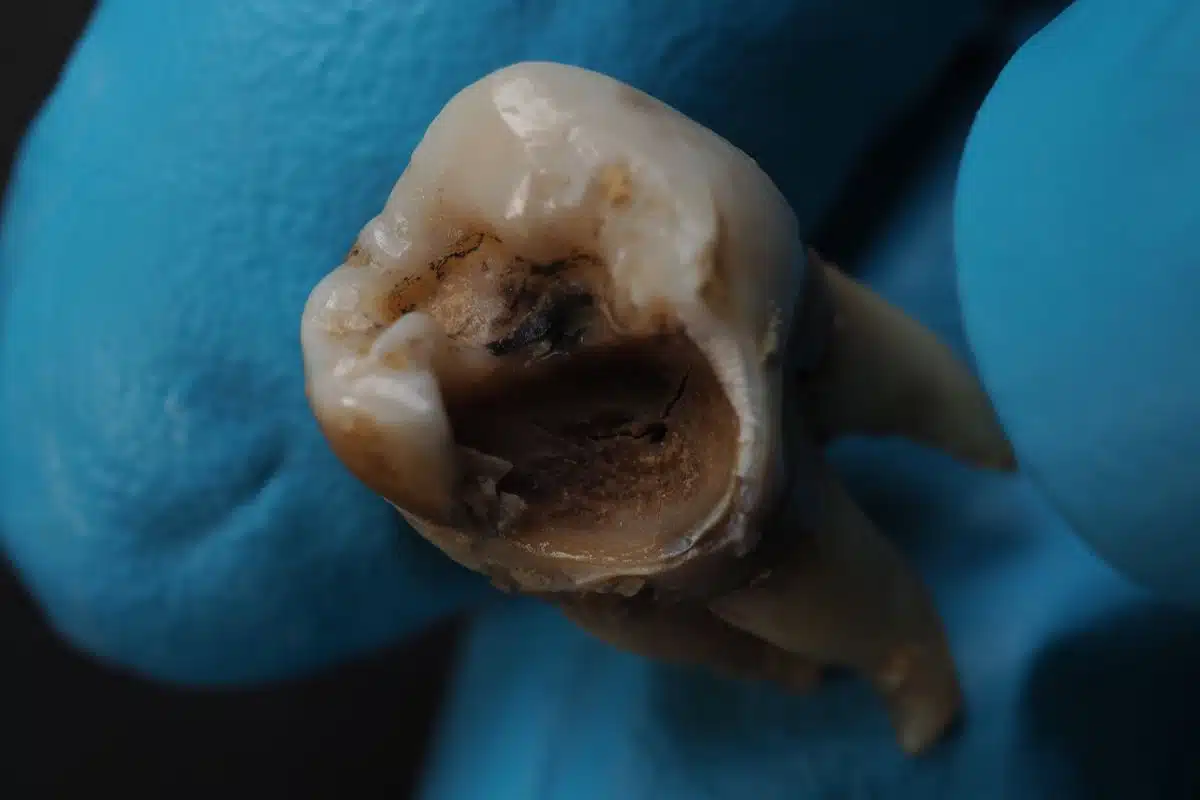
Experiencing a toothache? It’s crucial to act promptly to prevent further complications. At Hurd Family Dental, your Lee’s Summit dentist, we understand the urgency of dental emergencies and are committed to providing prompt and effective care.
When a Cavity Hurts: What to Do
If you’re experiencing a toothache, here are some steps you can take:
- Over-the-counter pain relief: Take an over-the-counter pain reliever like ibuprofen or acetaminophen to manage discomfort.
- Warm salt water rinse: Rinsing your mouth with warm salt water can help soothe the area and reduce inflammation.
- Avoid hot or cold foods and drinks: These can aggravate a sensitive tooth.
- Contact your dentist immediately. Even if the pain subsides, it’s essential to see a dentist to assess the severity of the cavity and determine the appropriate treatment.
Dental Emergencies: When to Seek Immediate Care
Sometimes, a toothache may indicate a more serious dental emergency. If you experience any of the following symptoms, seek immediate dental care:
- Severe pain: Unbearable pain that doesn’t subside with over-the-counter medication.
- Swelling: Swelling in your face or jaw.
- Fever: A fever that doesn’t go away.
- Difficulty opening your mouth: Difficulty opening your mouth due to pain or swelling.
Dental Emergencies: What to Expect
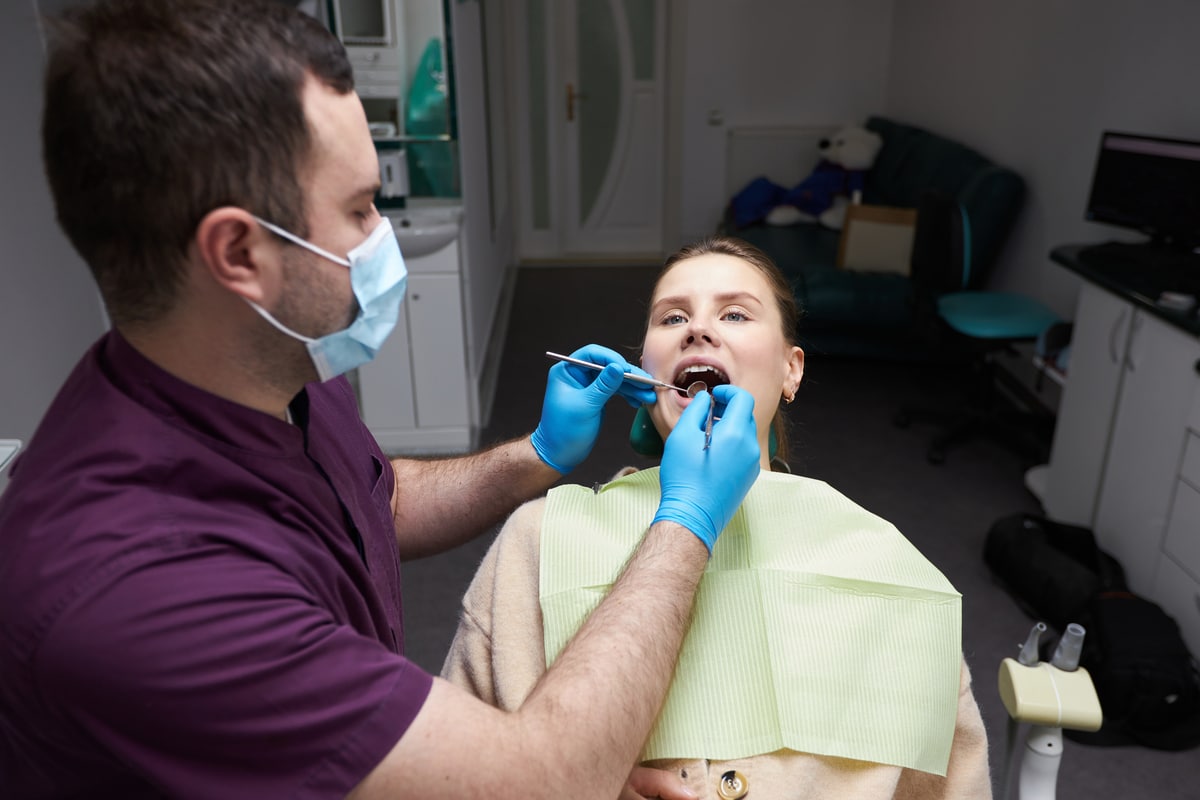
When you visit your Lee’s Summit dentist for a dental emergency, they will examine your tooth and determine the cause of the pain. Depending on the severity of the cavity, treatment may include:
- Filling: A filling is used to repair a cavity by removing the decayed portion of the tooth and filling the cavity with a restorative material.
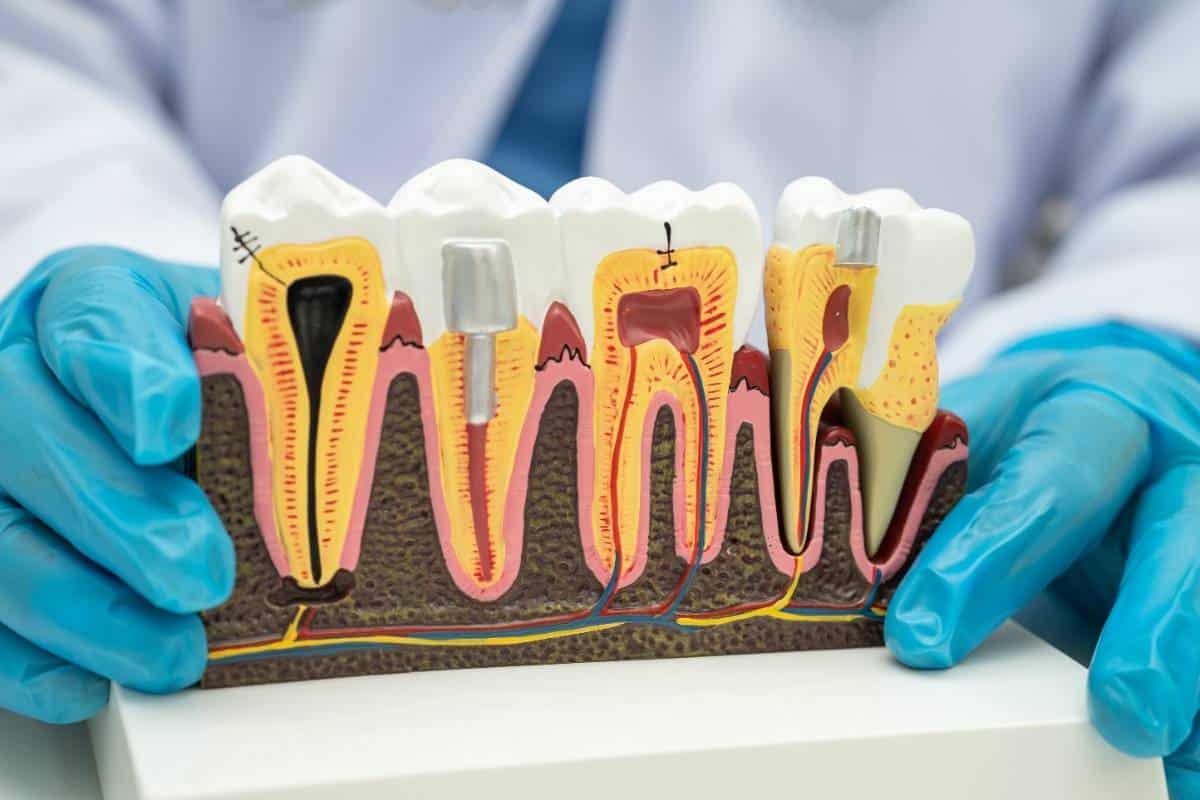
- Root canal: If the cavity has reached the tooth’s pulp, a root canal may be necessary to remove the infected or damaged pulp and seal the tooth.
- Extraction: In severe cases, the tooth may need to be extracted.
Preventing Dental Emergencies: Tips for Healthy Teeth
To help prevent dental emergencies, practicing good oral hygiene and seeing your dentist for regular check-ups is essential. Here are some tips:
- Brush your teeth twice a day with fluoride toothpaste.
- Floss daily to remove food particles and plaque.
- See your dentist for regular check-ups and cleanings.
- Eat a healthy diet and limit sugary and acidic foods and drinks.
Remember, a toothache should not be ignored. By seeking prompt dental care, you can alleviate the discomfort and prevent further complications, ensuring a healthy smile.
Contact Hurd Family Dental, your trusted Lee’s Summit dentist, today to schedule an appointment. We’re here to help you address dental emergencies and maintain optimal oral health.
Q. What causes a toothache?
A. Various factors, including cavities, tooth decay, gum disease, and a cracked or broken tooth, can cause a toothache.
Q. Can a toothache go away on its own?
A. Sometimes, a toothache may temporarily improve, but seeing a dentist to address the underlying cause is essential.
Q. What happens if a cavity is left untreated?
A. If a cavity is left untreated, it can worsen and lead to more severe problems, such as tooth abscess, infection, and tooth loss.
Q. Is a root canal painful?
A. While root canals can be uncomfortable, modern dental techniques and anesthesia have significantly reduced the pain associated with this procedure. Rest assured that you will be as comfortable as possible during your treatment.
Q. How long does a dental emergency appointment take?
A. The length of a dental emergency appointment can vary depending on the nature of the emergency. However, most dental offices prioritize emergency patients and will try to see you as soon as possible.
Q. Is dental emergency care expensive?
A. The cost of dental emergency care can vary, but many dental insurance plans offer emergency coverage. If you don’t have insurance, your dentist can provide financing options.
Q. Can I prevent dental emergencies?
A. You can help prevent dental emergencies by practicing good oral hygiene, eating a healthy diet, and seeing your dentist for regular check-ups.
Recent Posts
Aug. 19, 2026
Can A Root Canal Save A Severely Damaged Tooth?

Aug. 12, 2026
Can Cosmetic Dentistry Close Gaps Between Teeth?

Aug. 05, 2026
How Do Family Dentists Treat Tooth Decay?
Jul. 29, 2026
How Does Family Dentistry Support Long-Term Oral Health?

Jul. 22, 2026
Can Cosmetic Dentistry Fix Damaged Teeth and Restore Your Perfect Smile?
Catagories
- Cosmetic Dentistry (36)
- Dental Care (21)
- Dental Crowns (3)
- Dental Emergency (20)
- Dental Health (9)
- Dental Implant (2)
- Dental Sealants (3)
- Dentist (7)
- Dentures (3)
- Endodontic Treatment (4)
- Family Dentistry (1)
- General Dentistry (9)
- Invisalign (12)
- Oral Care (11)
- Pediatric Dentistry (5)
- Pediatric Dentistry (2)
- Restorative Dentistry (1)
- Root Canal Therapy (4)
- Smile Makeover (3)
- Teeth Whitening (1)
- Tooth Extraction (8)
- Uncategorized (0)