

May 5, 2023
Root Canal Therapy
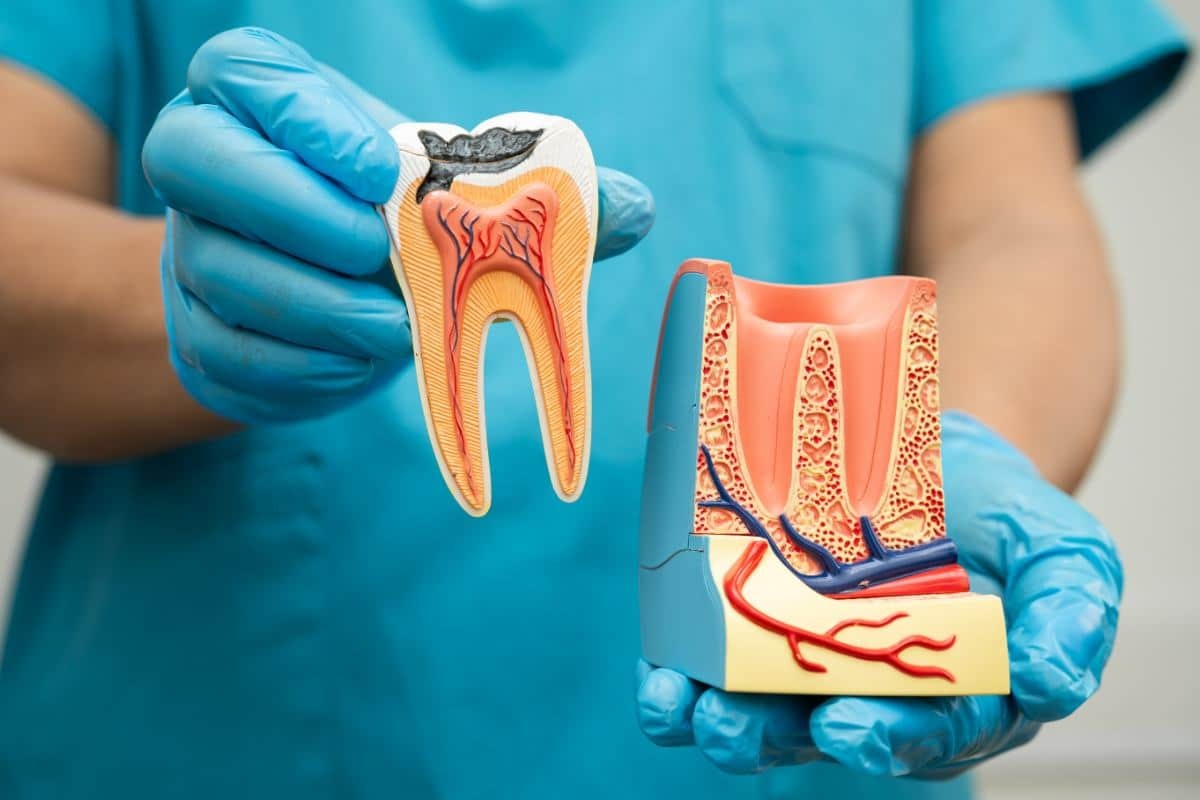
Root canal therapy removes infected or damaged pulp from a tooth. This procedure is commonly associated with adults, but children may also need it. This article covers what parents need to know about root canal therapy for children.
Why Might a Child Need Root Canal Therapy?
Children can develop dental problems that require root canal therapy, just like adults. Some common reasons why a child might need root canal therapy include:
- Dental Trauma: If a child experiences trauma to a tooth, such as a fracture or dislocation, the tooth may become infected, or the pulp may become damaged.
- Untreated Cavities: When cavities go untreated, they can progress to the point where they reach the tooth’s pulp. This can cause an infection that requires root canal therapy.
- Genetics: Some children may be born with malformed teeth that are more prone to infections or decay.
What Happens During Root Canal Therapy for Children?
Root canal therapy for children is similar to the procedure for adults. However, some differences are important for parents to know.
First, the dentist will use local anesthesia to numb the area around the tooth. Depending on the child’s age and anxiety level, the dentist may also use nitrous oxide (laughing gas) or sedation to help the child relax.
Once the child is comfortable, the dentist will use a small drill to access the tooth’s pulp. The dentist then removes the infected or damaged pulp and cleans out the tooth. A filling material will be used to fill the space where the pulp was removed. In some cases, the dentist may also place a crown on the tooth to protect it.
After the procedure, the child may experience some discomfort or sensitivity. The dentist will provide instructions for managing this discomfort, which may include over-the-counter pain medication and avoiding certain foods.
What Are the Benefits of Root Canal Therapy for Children?
The main benefit of root canal therapy for children is that it can save a damaged or infected tooth from extraction. This is important because baby teeth play a crucial role in a child’s dental development. Baby teeth help with speech, chewing, and guiding adult teeth into their proper positions.
If a baby tooth is lost early because of infection or decay, neighboring teeth may shift out of place. This can cause alignment issues that may require orthodontic treatment later on.
Additionally, if a baby tooth is extracted, the adult tooth may take several years to erupt. During this time, the surrounding teeth may shift, which can also cause alignment issues.
By preserving the baby tooth with root canal therapy, parents can help keep their child’s dental development on track.
Conclusion
If your child has dental problems that require root canal therapy, find a qualified dentist with experience treating children. By saving a damaged or infected baby tooth with root canal therapy, parents can help keep their child’s dental development on track. While any dental procedure carries risks, the benefits of root canal therapy for children often outweigh them.
Recent Posts
Oct. 26, 2026
How Modern Root Canal Therapy Makes Dental Treatment More Comfortable?

Oct. 19, 2026
Family Dentist vs. General Dentist: What’s The Difference?

Oct. 12, 2026
Does Your Child’s Thumb Sucking Need Dental Intervention

Oct. 05, 2026
Tooth Pain at 2:00 AM: Your Real Emergency Options Beyond the ER

Sep. 28, 2026
How Do Taste Changes in The Mouth After Root Canal Therapy?
Catagories
- Cosmetic Dentistry (37)
- Dental Care (21)
- Dental Crowns (3)
- Dental Emergency (22)
- Dental Health (9)
- Dental Implant (2)
- Dental Sealants (3)
- Dentist (7)
- Dentures (3)
- Endodontic Treatment (4)
- Family Dentistry (2)
- General Dentistry (13)
- Invisalign (12)
- Oral Care (10)
- Pediatric Dentistry (2)
- Pediatric Dentistry (6)
- Restorative Dentistry (1)
- Root Canal Therapy (4)
- Smile Makeover (3)
- Teeth Whitening (1)
- Tooth Extraction (8)
- Uncategorized (0)