

November 11, 2023
Dental Emergency
Dental emergencies can be distressing and often require immediate attention to alleviate pain and prevent further complications. While it’s crucial to seek prompt dental care during emergencies, understanding the risks and complexities associated with different procedures is equally essential. In this blog, we’ll explore the nuances of dental emergencies, shedding light on the challenges faced by both patients and dental professionals. By delving into the complexities, we aim to empower individuals to make informed decisions during urgent situations, ensuring the best possible outcomes for their oral health.
1. Types of Dental Emergencies
Dental emergencies encompass a wide range of situations, including severe toothaches, knocked-out or broken teeth, abscesses, and oral injuries. Each emergency requires a tailored approach, considering the specific symptoms, causes, and potential complications associated with the condition.
2. Immediate Pain Management
Pain management is a primary concern during dental emergencies. Dentists often prescribe pain relievers and antibiotics to alleviate discomfort and prevent infections. Understanding the appropriate dosage and potential side effects of medications is crucial for patients, ensuring they manage pain effectively while awaiting professional dental care.
3. Risk of Complications
Dental emergencies can lead to various complications if not addressed promptly and properly. Infections can spread, causing systemic health issues, while oral injuries may result in permanent damage or loss of teeth. Understanding the risks associated with untreated dental emergencies underscores the importance of seeking timely care.
4. Complexities in Treatment
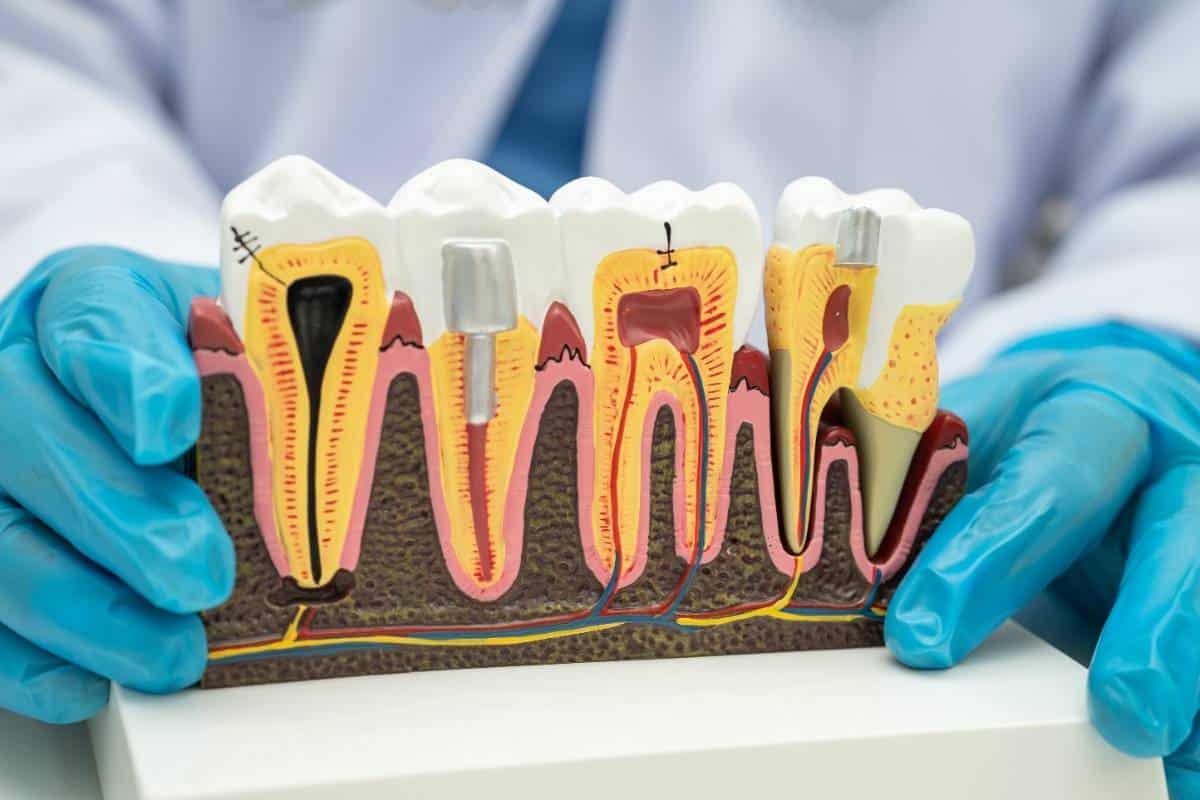
Different dental emergencies require specific treatments, each with its own set of complexities. Root canals, extractions, and dental surgeries are common procedures performed during emergencies. Dentists must carefully assess the situation, considering factors such as the patient’s overall health, existing dental conditions, and potential complications before determining the most suitable course of action.
5. Informed Decision-Making
Patients play a vital role in the decision-making process during dental emergencies. Understanding the proposed treatments, their risks, benefits, and potential alternatives empowers individuals to make informed decisions about their oral health. Effective communication between patients and dental professionals is key to ensuring that patients are actively involved in their treatment plans.
6. Preventing Dental Emergencies
While understanding how to navigate dental emergencies is essential, preventive measures can significantly reduce the risk of such situations. Maintaining good oral hygiene, wearing mouthguards during sports activities, and scheduling regular dental check-ups can prevent many dental emergencies before they occur.
7. Emergency Dental Care: A Collaborative Effort
Addressing dental emergencies effectively requires a collaborative effort between patients and dental professionals. Open communication, timely reporting of symptoms, and adherence to recommended treatments are crucial elements of successful emergency dental care. Dentists rely on accurate information from patients to make well-informed decisions about emergency procedures.
Conclusion
Dental emergencies are complex situations that demand prompt, well-informed actions. By understanding the types of emergencies, immediate pain management, potential complications, complexities in treatment, and the importance of informed decision-making, individuals can navigate dental emergencies with confidence. Collaborating with skilled dental professionals, communicating openly, and following recommended treatments are essential steps in ensuring the best possible outcomes during dental emergencies. Stay informed, proactive, and engaged in your oral health – together, we can navigate the complexities of dental emergencies and protect your smile for a lifetime.
Recent Posts
Aug. 19, 2026
Can A Root Canal Save A Severely Damaged Tooth?

Aug. 12, 2026
Can Cosmetic Dentistry Close Gaps Between Teeth?

Aug. 05, 2026
How Do Family Dentists Treat Tooth Decay?

Jul. 29, 2026
How Does Family Dentistry Support Long-Term Oral Health?

Jul. 22, 2026
Can Cosmetic Dentistry Fix Damaged Teeth and Restore Your Perfect Smile?
Catagories
- Cosmetic Dentistry (36)
- Dental Care (21)
- Dental Crowns (3)
- Dental Emergency (20)
- Dental Health (9)
- Dental Implant (2)
- Dental Sealants (3)
- Dentist (7)
- Dentures (3)
- Endodontic Treatment (4)
- Family Dentistry (1)
- General Dentistry (9)
- Invisalign (12)
- Oral Care (11)
- Pediatric Dentistry (2)
- Pediatric Dentistry (5)
- Restorative Dentistry (1)
- Root Canal Therapy (4)
- Smile Makeover (3)
- Teeth Whitening (1)
- Tooth Extraction (8)
- Uncategorized (0)