
January 7, 2026
General Dentistry
You finally went through with that root canal. You braved the chair, the numbing, and the buzzing, thinking your tooth troubles were finally behind you. But a few days—or maybe weeks—later, you notice something… off. A persistent, unpleasant odor or a metallic taste that just won’t quit.
It’s frustrating, isn’t it? You did the “right thing” for your oral health, yet you’re still reaching for the peppermint tin. If you’re currently wondering, “Is this normal?” or “Did something go wrong?”, you aren’t alone. In fact, while root canals have a 97% success rate (according to the American Association of Endodontists), post-operative odors are one of the most common reasons patients call their dentists back.
Let’s dive into why this happens, what the data says about dental infections, and—most importantly—how you can fix it.
Did You Know? Bad Breath is Really Common
Before we dive into solutions, let’s put this into perspective:
- Halitosis (bad breath) affects up to 50% of adults in the U.S., with many cases rooted (no pun intended!) in oral causes.
- About 80–90% of bad breath originates in the mouth itself due to bacteria that produce smelly gases called volatile sulfur compounds (VSCs).
- “Oral malodor” is so common that around one in four Americans report ongoing bad breath issues at some point in life.
So if your breath hasn’t smelled right after a root canal, that doesn’t automatically mean something serious — but it does mean you should know what’s normal versus what’s not.
Root Canal: What It Actually Does
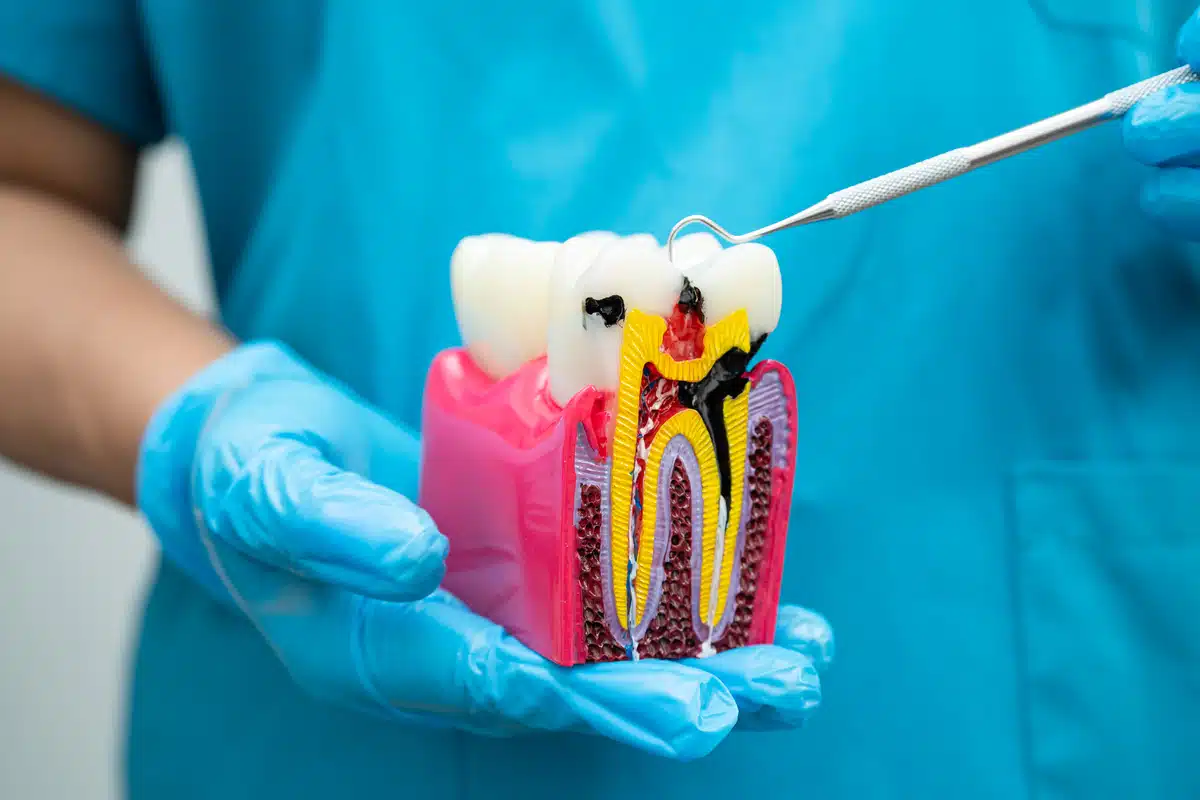
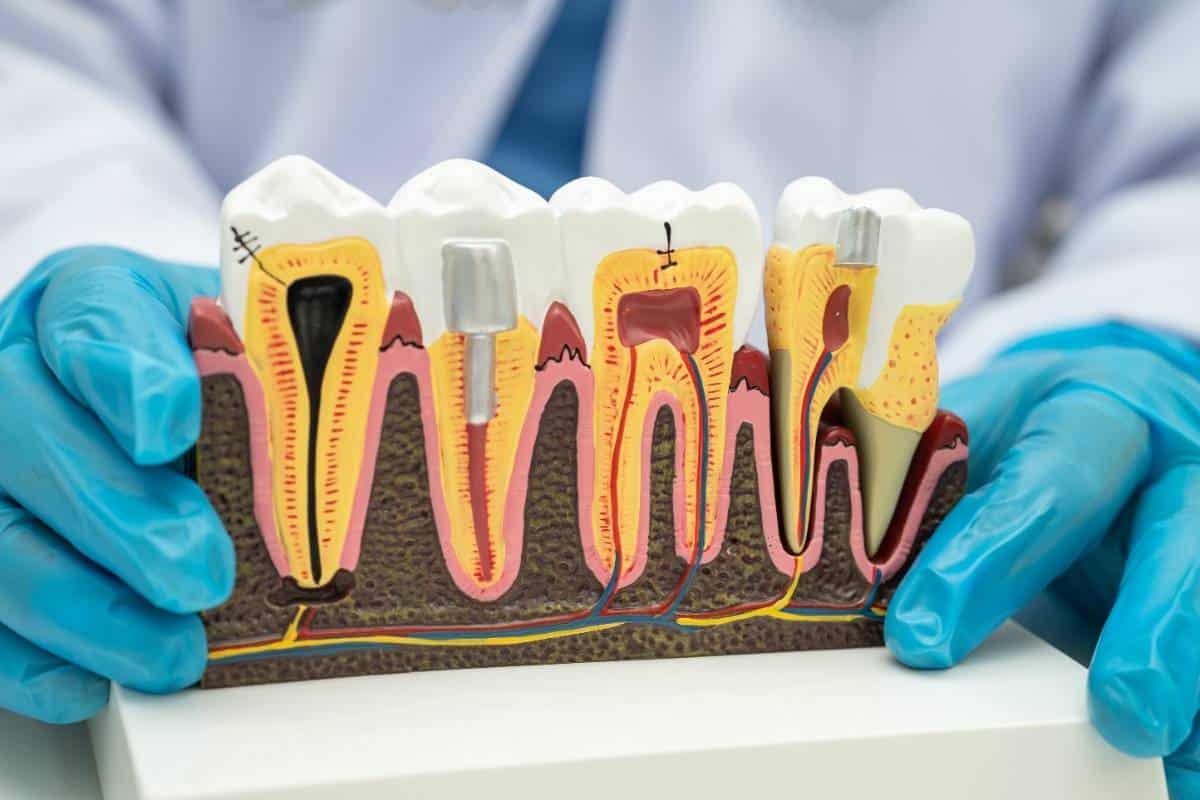
Root canal therapy in Lee’s Summit is one of dentistry’s most misunderstood procedures. The goal is simple: remove infected or dying tissue from inside a tooth, disinfect it, and seal it so bacteria can’t re-enter.
When done correctly, this treatment should reduce infection and eliminate bad breath, not cause it. But here’s the twist: certain factors during or after treatment can lead to lingering odors—and understanding them is the first step toward solving the problem.
Why Your Breath Might Smell After a Root Canal
Let’s break it down in a practical way — from the most common and harmless reasons to those that need professional attention.
Temporary Odor During Healing
Right after the procedure, you might notice a mild smell. This can happen because:
- The mouth is still healing.
- Antiseptic agents used during the treatment leave a taste.
- Your oral microbiome (balance of bacteria) is temporarily disrupted.
Most patients find that this fades within a few days. If your breath smells only briefly and then improves, this is likely just the normal healing phase.
Dry Mouth (Xerostomia)
Saliva is your mouth’s natural rinsing system. When you have dry mouth — from anesthesia, certain pain meds, dehydration, or reduced fluid intake — bacteria multiply faster and smell builds up.
Food Debris and Bacterial Accumulation
After dental work, you might be more cautious when brushing around the treated tooth. But leftover food particles trapped around it can attract bacteria, which can produce VSCs and bad breath.
Leaky Temporary Filling or Poor Seal
If your temporary filling or crown isn’t perfectly sealed, food particles and bacteria can sneak in. This is one of the most common causes of chronic bad breath after a root canal — and it may require a dental follow-up to fix the seal.
Persistent or New Infection
If any bacteria remain in the canal or re-enter later, they can thrive in the sealed environment and continue producing foul odors. Persistent bad breath that doesn’t improve after 7–10 days may signal this problem.
How to Fix Smelly Breath After Root Canal Therapy
Here are practical, dentist-recommended steps — from everyday habits to when you need professional help.
Practice Meticulous Oral Hygiene
This is the foundation:
- Brush at least twice a day with fluoride toothpaste.
- Floss daily, especially around the treated area.
- Use a tongue scraper — up to 90% of odor-causing bacteria hide on the tongue.
Good hygiene keeps food debris from sitting around and fueling bacteria that smell.
Choose Mouthwash Wisely
Alcohol-free antibacterial mouthwashes help reduce bad breath without drying the mouth (alcohol can worsen dryness). Ask your dentist for brands with chlorhexidine or cetylpyridinium chloride — both help reduce bacterial load effectively.
Stay Hydrated and Stimulate Saliva
Drink plenty of water throughout the day. If your mouth tends to be dry:
- Suck on sugar-free mints
- Chew sugar-free gum to trigger saliva production
- Avoid alcohol and caffeine, which can dry you out
Watch Your Diet
After root canal therapy, avoid foods with strong odors, such as garlic, onions, and coffee. These foods don’t cause the problem, but they magnify it when your oral environment is sensitive.
Crunchy fruits and veggies like apples and carrots can help scrape food particles from teeth and naturally encourage saliva flow.
Follow Up With Your Dentist
If your bad breath persists beyond 7–10 days, or you notice:
- Increasing pain,
- Swelling,
- A strange taste,
- Pus or discharge around the treated tooth,
Then you should contact your qualified dentist in Lee’s Summit right away. These may be signs of reinfection or a seal problem.
Professional Treatments for Persistent Cases
If home care isn’t enough, your dentist may recommend:
- Crown or filling replacement if the seal is compromised.
- Retreatment of the root canal to remove residual infection.
- Antibiotics, in cases where infection has spread.
- Periodontal cleaning if gum disease is adding to bad breath.
Avoid These Common Pitfalls
- Ignoring it and assuming it’ll go away — if bad breath persists, it’s your body sending a signal.
- Frequent use of mouthwash containing alcohol can worsen dry mouth and increase bacterial growth.
- Skipping flossing — floss removes plaque where brushes can’t reach, and plaque is a top food source for odor-producing bacteria.
When to Seek Urgent Care
Call your dentist immediately if you have:
- Severe or worsening pain,
- Redness or swelling in your gums,
- Fever,
- Pus or bad taste that won’t go away,
- Bad breath lasting longer than two weeks.
These symptoms could indicate complications needing urgent attention.
Conclusion
Bad breath after a root canal is usually a sign that something—whether it’s a loose temporary crown, a missed canal, or just trapped food—needs attention. While it’s rarely a “medical emergency,” it is your body’s way of signaling that the healing process isn’t quite 100% complete. By maintaining rigorous hygiene and checking in with your dentist, you can ensure your smile stays both healthy and fresh.
Don’t let a temporary odor discourage you. You’ve already done the hard work of saving your natural tooth; now, it’s just about the finishing touches.
Frequently Asked Questions
- Is it normal for breath to smell right after a root canal?
Yes — a mild, temporary smell in the first few days can be part of normal healing. But if it persists beyond about 7–10 days, talk to your dentist.
- Can a root canal cause long-term bad breath?
Not usually. A properly done root canal removes the infection that was causing bad breath and should improve it. Long-term odor usually points to a lingering issue, such as bacteria, a poor seal, or gum disease.
- How long should bad breath last after a root canal?
Mild odor typically fades within a week. Persistent or worsening breath after this likely needs a dental evaluation.
- What’s the best mouthwash for post-root canal bad breath?
An alcohol-free antibacterial mouthwash recommended by your dentist is ideal — it reduces harmful bacteria without drying your mouth.
- What should I do if my breath still smells after trying all at-home care?
Contact your dentist. Persistent bad breath that doesn’t improve with hygiene may indicate an infection, seal issue, or gum disease — and only a professional can diagnose and treat that effectively.
Recent Posts
Aug. 19, 2026
Can A Root Canal Save A Severely Damaged Tooth?

Aug. 12, 2026
Can Cosmetic Dentistry Close Gaps Between Teeth?
Aug. 05, 2026
How Do Family Dentists Treat Tooth Decay?
Jul. 29, 2026
How Does Family Dentistry Support Long-Term Oral Health?

Jul. 22, 2026
Can Cosmetic Dentistry Fix Damaged Teeth and Restore Your Perfect Smile?
Catagories
- Cosmetic Dentistry (36)
- Dental Care (21)
- Dental Crowns (3)
- Dental Emergency (20)
- Dental Health (9)
- Dental Implant (2)
- Dental Sealants (3)
- Dentist (7)
- Dentures (3)
- Endodontic Treatment (4)
- Family Dentistry (1)
- General Dentistry (9)
- Invisalign (12)
- Oral Care (11)
- Pediatric Dentistry (2)
- Pediatric Dentistry (5)
- Restorative Dentistry (1)
- Root Canal Therapy (4)
- Smile Makeover (3)
- Teeth Whitening (1)
- Tooth Extraction (8)
- Uncategorized (0)