
January 21, 2026
General Dentistry
So, you’ve just been told you need a dental crown. First off, take a deep breath—you’re in good company. In the United States alone, the dental crown and bridge market is projected to reach approximately $5.24 billion by the end of 2026 (The Business Research Company, 2026). Whether it’s a pesky cracked tooth from a rogue popcorn kernel or a necessary step after a root canal, choosing a crown is one of the most common restorative procedures in modern dentistry.
But here is the catch: walking into a dental office and being asked, “Which material do you want?” can feel a bit like being asked to pick the right engine for a car when you just want it to drive. Do you go with the classic gold? The high-tech zirconia? Or the “best of both worlds” porcelain-fused-to-metal?
In this guide, we’re breaking down the data, the costs, and the “real-talk” pros and cons of every major crown type to help you make an informed decision for your smile and your wallet.
What Is a Dental Crown?
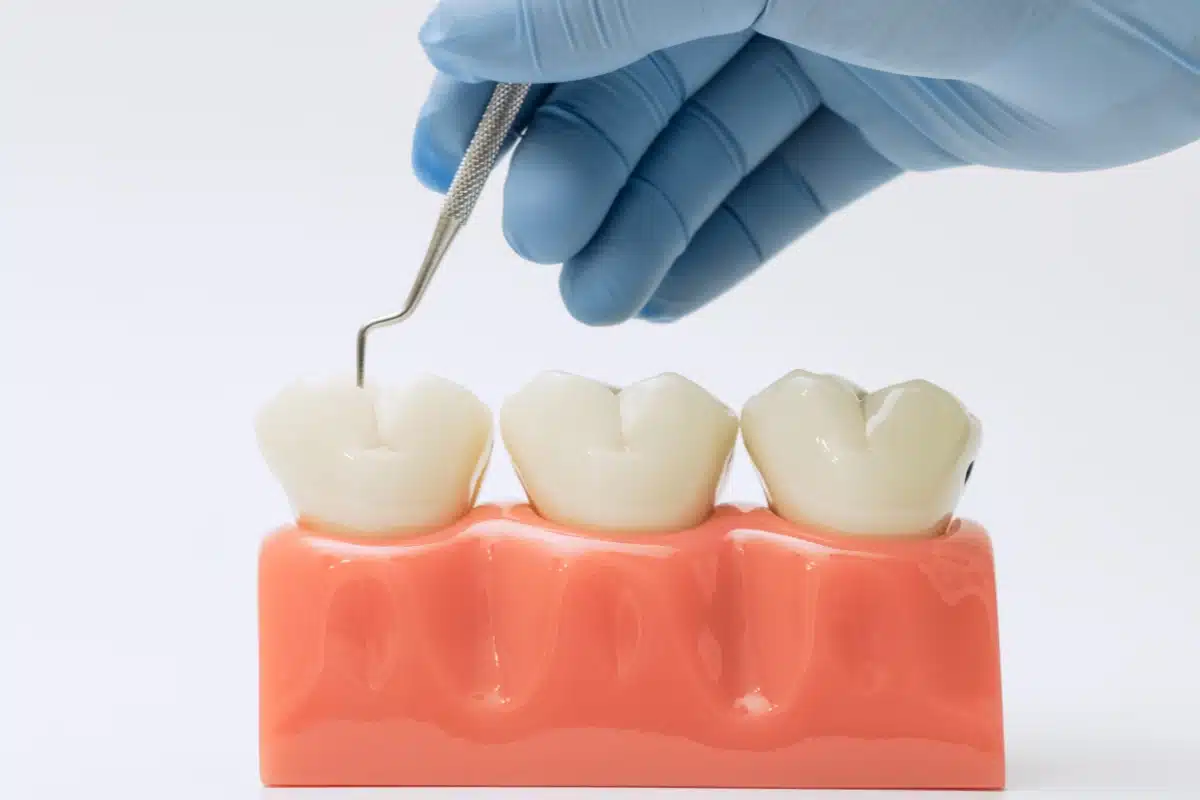
A dental crown — sometimes called a “tooth cap” — is a custom-made covering that goes over a damaged, decayed, or weakened tooth. Crowns protect what’s left of your natural tooth, help restore chewing strength, and can improve appearance if placed on a visible tooth.
According to industry sources, most dental crowns in the U.S. last between 5 and 15+ years, depending on the material used and how well they’re cared for.
How Dental Crowns Are Typically Evaluated
Before we dive into the crown types, here’s how dental professionals assess options:
- Durability: Can it handle biting/chewing forces?
- Aesthetics: Does it look like a natural tooth?
- Longevity: How many years will it last?
- Cost: What’s the price tag — and long-term value?
- Biocompatibility: Is it friendly to gums and overall oral health?
With that framework in mind, let’s explore the crown families!
Porcelain-Fused-to-Metal (PFM) Crowns
Overview
PFM crowns combine a metal core with an outer porcelain layer that’s colored to match your natural tooth. They’ve been a workhorse in dentistry for decades.
Pros
- Offers a good balance of strength and appearance, suitable for front and back teeth.
- Proven track record with high survival rates. Clinical reviews show PFM crowns having five-year survival rates of roughly 95.7% to 97.6% in controlled studies.
- Durable in real-world dental practices — another study reported a 94% success rate over 10 years.
Cons
- The metal underneath can sometimes show as a dark line near the gumline, especially if gums recede over time.
- Porcelain can chip under heavy biting forces and may require repair, which adds to long-term maintenance.
Price & Value
PFM crowns are generally a mid-range option.
Best for: Patients who want a strong, reliable crown for either front or back teeth without the highest price tag.
All-Ceramic / All-Porcelain Crowns
Overview
These crowns are made entirely from ceramic or porcelain materials — no metal. They’re a top choice when aesthetics are a priority.
Pros
- Excellent shade matching and translucency that blend naturally with your smile.
- Metal-free, which is ideal for people with metal sensitivities.
Cons
- Slightly less fracture-resistant than metal-based options, though still strong for most uses.
- Some studies show slightly lower survival rates (as low as 90.7% at five years for certain porcelain types) compared to metal or hybrid crowns.
Price & Value
Expect a slightly higher cost than PFM due to materials and lab work.
Best for: Visible front teeth or anyone prioritizing a natural, seamless look.
Zirconia Crowns — The Modern Powerhouse
Overview
Zirconia crowns are quickly becoming the go-to material for modern restorations. Made from zirconium dioxide, they combine strength and appearance better than almost anything else.
Pros
- Exceptional strength and fracture resistance — much higher than many ceramics and traditional PFMs.
- Survival in some studies is comparable to or higher than that of conventional materials with proper fit.
- Biocompatible and metal-free, reducing sensitivity and irritation.
Cons
- Slightly more expensive upfront per crown.
- Some formulations can be more opaque, which means shade matching in front teeth may be trickier unless custom-layered.
Longevity
In clinical comparisons, zirconia showed very high survival and chipping resistance. Some smaller studies even show very low complication rates over several years.
Best for: Patients who grind their teeth, need strong posterior restorations, or want a single crown that covers all bases.
Gold & Metal Alloy Crowns — Tried and True
Overview
Gold crowns might not be “Hollywood white,” but they’re still one of the strongest materials available — especially useful for molars and high-force chewing zones.
Pros
- Excellent durability — many crowns last 15–20+ years, often longer with good care.
- Gentle on opposing teeth, with low wear.
Cons
- Aesthetics aren’t ideal for visible front teeth.
- It can be pricey depending on the metal content.
Best for: Back teeth or anyone who prioritizes long-term strength over appearance.
E-Max (Lithium Disilicate) Crowns
Overview
E-Max crowns are a premium all-ceramic option made from lithium disilicate. They’re popular when both strength and beauty matter.
Pros
- Excellent color depth and translucency — ideal for front or esthetic zones.
- Stronger than traditional porcelain crowns.
Cons
- Often more expensive (similar to high-end zirconia).
- Usually requires sufficient tooth reduction to achieve an ideal fit.
Best for: Front teeth or visible areas where appearance is critical.
Resin Crowns — Budget and Temporary
Overview
Made of composite resin, these crowns are typically temporary or used when cost is the main concern.
Pros
- Most budget-friendly crown option.
- Easier adjustments chairside.
Cons
- Least durable — prone to wear, staining, and breaking.
- Often lasts only 3–5 years or is used as a temporary solution.
Best for: Temporary restorations, pediatric cases, or non-load-bearing teeth.
Conclusion
So, which dental crown is best? If you’re after strength and versatility, zirconia often leads the pack. Want that perfect Hollywood smile? All-ceramic or E-Max crowns shine. Budget-minded but tried-and-true? PFM is still a reliable choice. And if you want a crown that lasts for decades under heavy use, gold or metal alloys remain hard to beat.
Ultimately, talk to your local certified dentist in Lee’s Summit about your priorities— your aesthetic goals, bite forces, and budget—and your provider can help you make the right choice. Your new crown should protect your tooth—and keep you smiling for years to come!
Frequently Asked Questions
- How long does a dental crown typically last?
Most crowns last 5–15+ years, depending on material, oral care, and bite habits. Metal and zirconia crowns often last the longest. - Will my dental insurance cover a crown?
Coverage varies—many plans cover a portion of the cost when the crown is medically necessary, but cosmetic use may not be covered. Always check with your insurer. - Do crowns ever break or chip?
Yes — especially porcelain or porcelain-fused crowns. Zirconia and metal crowns are far more resistant to chipping. - Are there crowns that look just like natural teeth?
Yes — all-ceramic and E-Max crowns are designed for superior aesthetics and can mimic the translucency of real enamel. - Which crown is best if I grind my teeth at night?
Zirconia or gold crowns are ideal for heavy grinders due to their superior fracture resistance.
Recent Posts
Aug. 19, 2026
Can A Root Canal Save A Severely Damaged Tooth?

Aug. 12, 2026
Can Cosmetic Dentistry Close Gaps Between Teeth?
Aug. 05, 2026
How Do Family Dentists Treat Tooth Decay?
Jul. 29, 2026
How Does Family Dentistry Support Long-Term Oral Health?

Jul. 22, 2026
Can Cosmetic Dentistry Fix Damaged Teeth and Restore Your Perfect Smile?
Catagories
- Cosmetic Dentistry (36)
- Dental Care (21)
- Dental Crowns (3)
- Dental Emergency (20)
- Dental Health (9)
- Dental Implant (2)
- Dental Sealants (3)
- Dentist (7)
- Dentures (3)
- Endodontic Treatment (4)
- Family Dentistry (1)
- General Dentistry (9)
- Invisalign (12)
- Oral Care (11)
- Pediatric Dentistry (2)
- Pediatric Dentistry (5)
- Restorative Dentistry (1)
- Root Canal Therapy (4)
- Smile Makeover (3)
- Teeth Whitening (1)
- Tooth Extraction (8)
- Uncategorized (0)