

February 4, 2024
Dental Emergency
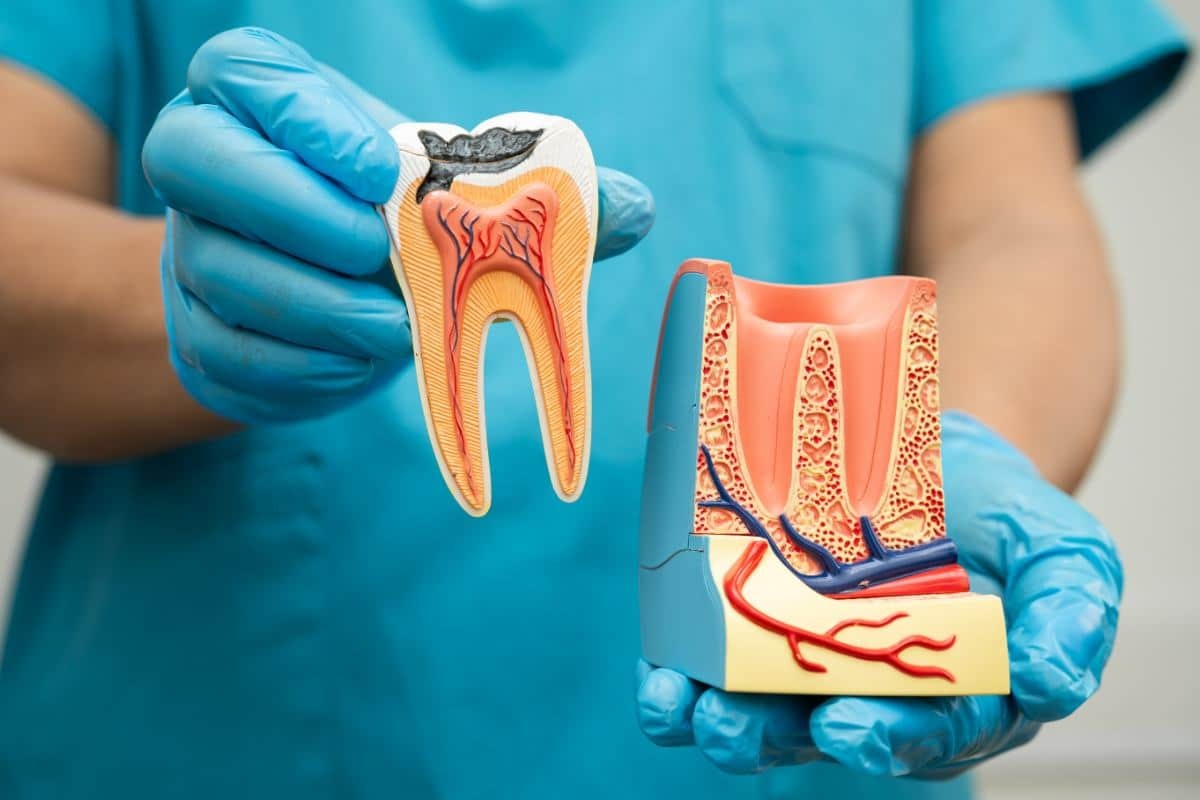
When a dental emergency strikes, knowing what to do can make all the difference between discomfort and swift relief. In this comprehensive guide to emergency dentistry, we’ll cover common dental emergencies and equip you with the knowledge you need to handle them effectively.
From sudden toothaches to broken teeth, we’ll explore the signs, causes, and immediate actions you can take to alleviate pain and protect your dental health. Understanding the fundamentals of emergency dental care helps you respond promptly, keeping your smile resilient and healthy in unexpected situations. Let’s explore the key insights that make emergency dentistry a cornerstone of optimal oral health.
In emergency dentistry, swift action and informed decisions can be key to preserving your oral health. Let’s explore some common dental emergencies and the essential know-how for immediate care:
Recent Posts
Oct. 26, 2026
How Modern Root Canal Therapy Makes Dental Treatment More Comfortable?

Oct. 19, 2026
Family Dentist vs. General Dentist: What’s The Difference?

Oct. 12, 2026
Does Your Child’s Thumb Sucking Need Dental Intervention

Oct. 05, 2026
Tooth Pain at 2:00 AM: Your Real Emergency Options Beyond the ER

Sep. 28, 2026
How Do Taste Changes in The Mouth After Root Canal Therapy?
Catagories
- Cosmetic Dentistry (37)
- Dental Care (21)
- Dental Crowns (3)
- Dental Emergency (22)
- Dental Health (9)
- Dental Implant (2)
- Dental Sealants (3)
- Dentist (7)
- Dentures (3)
- Endodontic Treatment (4)
- Family Dentistry (2)
- General Dentistry (13)
- Invisalign (12)
- Oral Care (10)
- Pediatric Dentistry (2)
- Pediatric Dentistry (6)
- Restorative Dentistry (1)
- Root Canal Therapy (4)
- Smile Makeover (3)
- Teeth Whitening (1)
- Tooth Extraction (8)
- Uncategorized (0)