
November 13, 2026
General Dentistry
Have you recently had a tooth removed and noticed that your pain is getting worse instead of better? Perhaps the extraction site feels unusually sensitive, you have an unpleasant taste in your mouth, or the discomfort spreads toward your ear or jaw. These symptoms can be frustrating, especially when you expected to feel better a few days after your dental procedure.
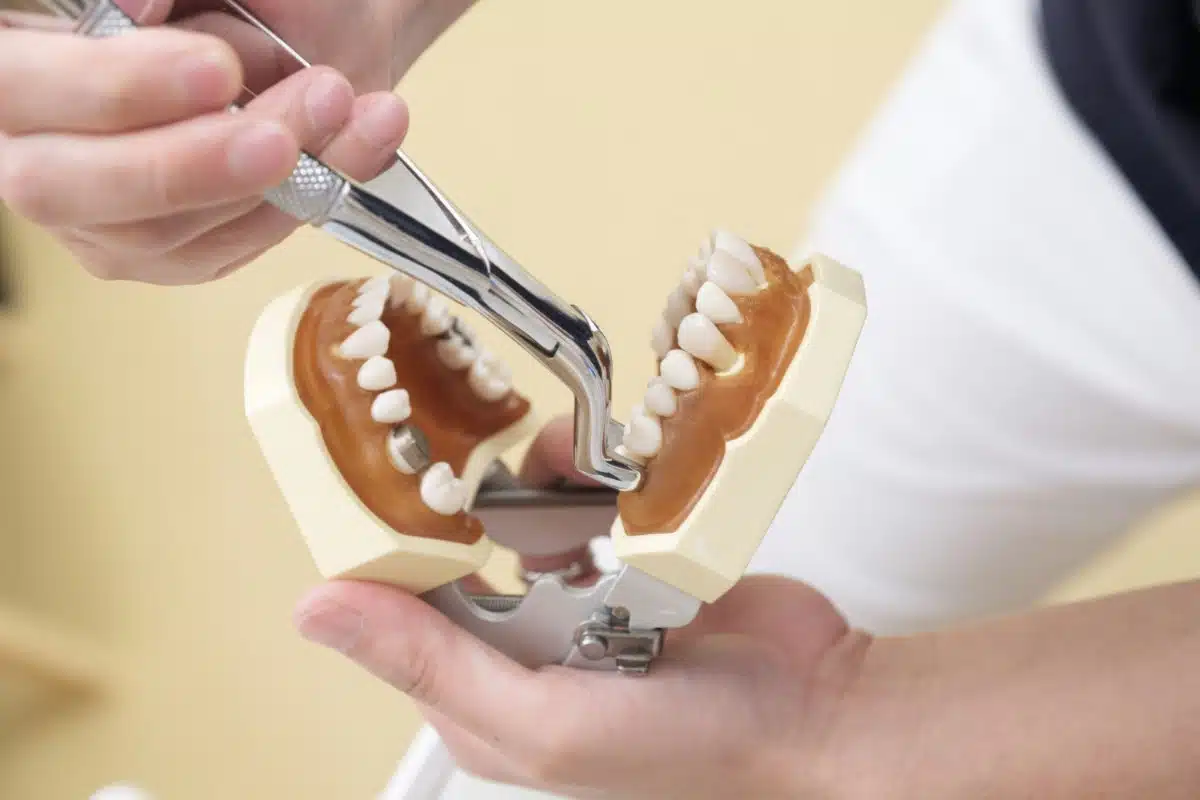
One possible explanation is a condition called dry socket, also known as alveolar osteitis. It is a relatively common complication following tooth extraction, particularly when a wisdom tooth is removed. Dry socket develops when the blood clot that normally forms inside the extraction site becomes dislodged, dissolves too early, or fails to remain in place. Without this protective clot, the underlying bone and nerve endings can be exposed, causing significant discomfort.
For patients in Lee’s Summit, MO, knowing what to expect after an extraction can make recovery less stressful. At Hurd Family Dental, Dr. Francis Hurd understands the importance of proper post-extraction care and helping patients recognize potential complications early.
Whether you recently had an extraction or are preparing for one, understanding dry socket symptoms, causes, treatment options, and prevention can help protect your oral health. Let’s take a closer look at what happens when dry socket develops and when you should contact your dentist.
What Is a Dry Socket After Tooth Extraction?
A dry socket occurs when the protective blood clot inside a tooth extraction site is lost or breaks down before the wound heals properly.
After a tooth is removed, the body naturally forms a blood clot in the empty socket. This clot serves several important purposes:
- Protects the underlying jawbone and nerve endings.
- Helps control bleeding immediately after extraction.
- Provides a foundation for new tissue development.
- Supports the natural healing process.
As healing progresses, the clot is gradually replaced by granulation tissue and new tissue.
However, when the clot becomes dislodged or dissolves prematurely, the extraction site may become exposed. Food particles and bacteria can also collect in the socket, which may contribute to irritation and delayed healing.
According to the Merck Manual, dry socket typically develops within the first few days following tooth extraction and causes significant pain. It is more common after removing impacted mandibular third molars, commonly known as lower wisdom teeth.
How Common Is Dry Socket After Tooth Extraction?
Not everyone who undergoes tooth extraction develops dry socket. However, the risk varies by extraction type, surgical complexity, and individual healing factors.
Research published in the International Journal of Dentistry reports dry socket incidence rates ranging from about 1% to 5% after routine dental extractions. The risk can be considerably higher following surgical removal of impacted wisdom teeth.
Some clinical studies report rates as high as 30% after certain high-risk third-molar surgical extractions.
These differences demonstrate why the extraction site, surgical technique, and individual circumstances matter when evaluating the likelihood of developing this complication.
Women using oral contraceptives, patients who smoke, and individuals with a history of dry socket may have additional risk factors.
7 Signs and Symptoms of Dry Socket You Should Recognize
Recognizing dry socket early can help you receive appropriate care and avoid unnecessary discomfort.
Although symptoms vary between patients, several warning signs are commonly associated with this condition.
1. Severe Pain That Develops or Worsens After Extraction
Pain is the most recognizable symptom of dry socket.
After an uncomplicated extraction, discomfort usually improves within the first few days. However, dry socket can cause pain that becomes noticeably worse around two to five days after the procedure.
The discomfort may feel deep, throbbing, or persistent rather than like ordinary post-extraction soreness.
Over-the-counter pain medication may provide limited relief because the underlying bone and surrounding tissues are exposed.
If your pain worsens instead of gradually improving, contact your dentist for an evaluation.
2. Pain That Spreads Toward the Ear or Jaw
Dry socket discomfort doesn’t always stay limited to the extraction site.
Some patients experience pain that radiates toward the ear, temple, jaw, or nearby teeth. This happens because the nerves serving the affected area can transmit discomfort to surrounding regions.
For example, a patient who has had a lower wisdom tooth removed may feel aching along the jawline or near the ear.
This referred pain can interfere with sleep, eating, and everyday activities.
3. An Empty-Looking Tooth Socket
Normally, the extraction site contains a protective blood clot during early healing.
With dry socket, the clot may be missing, making the socket appear empty. In some cases, you may notice whitish or yellowish bone at the bottom of the extraction site.
However, do not attempt to examine the socket by touching it with your fingers or using sharp objects.
A dentist can determine whether the site has developed dry socket through a careful clinical examination.
4. Unpleasant Taste in the Mouth
An unpleasant taste is another possible symptom.
When the protective clot disappears, food debris and bacteria may collect inside the extraction site. This can contribute to an unpleasant taste or odor.
You may notice a persistent bad taste even after brushing your teeth or rinsing your mouth.
Although this symptom can occur with dry socket, it is not exclusive to the condition. Other dental problems, including infection, may also produce similar symptoms.
5. Persistent Bad Breath
Some patients develop unpleasant breath after tooth extraction because food particles become trapped around the healing site.
With dry socket, debris can collect in the exposed extraction area, contributing to a noticeable odor.
If bad breath continues alongside increasing pain or an empty-looking socket, schedule a dental examination.
6. Increased Sensitivity Around the Extraction Site
The exposed bone and surrounding tissues may become particularly sensitive.
You might feel discomfort when drinking cold beverages, eating, or when food touches the extraction area.
This sensitivity can make normal activities difficult, especially when the affected tooth was located near the back of the mouth.
7. Difficulty Eating or Sleeping
When dry socket causes persistent pain, eating and sleeping can become challenging.
You may avoid chewing on the affected side, choose softer foods, or wake up during the night because of discomfort.
If the pain interferes with your routine several days after extraction, have the area evaluated rather than assuming the discomfort is part of normal recovery.
What Causes Dry Socket to Develop?
Dry socket can occur for several reasons. In many cases, it develops because the protective blood clot doesn’t remain stable long enough for normal healing.
Understanding the potential causes can help patients take precautions after an extraction.
1. Smoking or Using Tobacco Products
Smoking is an important risk factor for dry socket because it can interfere with normal healing.
Nicotine can affect blood circulation, while the sucking action associated with smoking may disturb the developing blood clot.
Tobacco smoke also exposes healing tissues to chemicals that can irritate the extraction site.
Patients should avoid smoking and other tobacco products during recovery. Follow your dentist’s instructions about how long to avoid them.
2. Drinking Through a Straw
Using a straw creates suction inside the mouth. This pressure may disturb the blood clot and dislodge it.
Avoid straws during the initial healing period, especially the first 24 to 48 hours.
Instead, drink directly from a cup using gentle movements.
3. Rinsing or Spitting Too Forcefully
Keeping your mouth clean is important after extraction, but aggressive rinsing can interfere with clot formation.
Forceful spitting and vigorous mouthwash use may disturb the extraction site.
During the first 24 hours, avoid forceful rinsing unless your dentist provides different instructions. After that period, gentle warm saltwater rinses may help keep the area clean.
4. Difficult or Surgical Tooth Extraction
Some extractions involve more complicated procedures than others.
For example, removing an impacted wisdom tooth may require an incision, removal of surrounding bone, or sectioning of the tooth.
These procedures can create a larger surgical wound and increase the likelihood of developing dry socket.
Research involving 41,859 impacted lower wisdom tooth extractions found a pooled dry socket prevalence of 6.7%. The researchers also noted considerable variation between studies, demonstrating that individual surgical circumstances influence risk.
5. Hormonal Factors and Oral Contraceptives
Hormonal changes may influence blood clotting and the body’s healing response.
Some studies have associated estrogen-containing oral contraceptives with an increased likelihood of dry socket, although the strength of this association varies across research.
If you take birth control medication, tell your dentist before undergoing an extraction. Never discontinue prescribed medication without consulting your healthcare provider.
6. Poor Oral Hygiene and Existing Dental Problems
Bacteria and inflammation around the extraction site may interfere with healing.
Patients with periodontal disease or an existing infection may have additional healing considerations.
Maintaining good oral hygiene before and after an extraction can support recovery. However, cleaning should always follow the dentist’s postoperative instructions to avoid disturbing the clot.
What Happens If Dry Socket Is Left Untreated?
Dry socket can be extremely uncomfortable, especially when the underlying bone remains exposed.
Although the condition often resolves as the extraction site heals, leaving it unmanaged can result in several problems.
Persistent pain: The exposed bone and irritated tissues can cause ongoing discomfort that interferes with eating, sleeping, and daily activities.
Delayed healing: Without a stable protective clot, the normal healing process can be disrupted, and recovery can be prolonged.
Food and debris accumulation: The open socket can collect food particles, creating additional irritation and an unpleasant taste or odor.
Repeated dental visits: Some patients require multiple appointments for socket cleaning, medication placement, and dressing changes until the pain improves.
Dry socket is not necessarily the same as a bacterial infection. It is primarily a painful inflammatory condition involving the loss or breakdown of the protective clot.
However, infection and other post-extraction complications can sometimes produce similar symptoms. A dental examination helps determine the appropriate treatment.
How Is Dry Socket Treated?
If you develop dry socket, professional dental care can help control discomfort and support healing.
Treatment generally focuses on cleaning the extraction site, protecting exposed tissues, and managing pain.
1. Cleaning the Extraction Site
The dentist may gently flush the socket with an appropriate solution to remove trapped food particles and debris.
This helps reduce irritation and makes it easier for the affected area to heal.
Patients should not attempt to clean deep inside the socket using toothpicks, cotton swabs, or other household objects.
2. Applying a Medicated Dressing
A dentist may place a medicated dressing or paste inside the extraction site.
This dressing helps protect exposed tissue and can relieve discomfort.
Depending on symptom severity, the dressing may need to be replaced during follow-up appointments.
3. Managing Pain
Pain management is an important part of dry socket treatment.
Your dentist may recommend an appropriate over-the-counter pain reliever or prescribe medication when necessary.
Always follow the recommended dosage and discuss existing medical conditions, allergies, and other medications before taking pain relievers.
4. Following Specific Home-Care Instructions
After professional treatment, you may receive instructions for keeping the extraction site clean.
These instructions may include gentle rinsing, avoiding tobacco, choosing soft foods, and using an irrigation syringe if recommended.
Do not apply aspirin, alcohol, clove oil, or other home remedies directly to the socket without professional guidance.
5. Checking for Other Complications
If your symptoms are unusually severe or don’t improve, your dentist may recommend further evaluation.
Dental X-rays may be appropriate when there is concern about retained tooth fragments, bone problems, or another underlying condition.
Antibiotics are not routinely required for uncomplicated dry socket. They may be considered when there is evidence of a separate bacterial infection or another clinical reason.
According to a Cochrane review that evaluated 49 clinical trials involving 6,219 participants, preventive treatments and management approaches have varying levels of evidence. The review found moderate-certainty evidence that certain chlorhexidine rinses and gels can reduce the risk of developing dry socket.
How Long Does Dry Socket Take to Heal?
The recovery period varies by severity, extraction site, and how quickly the patient responds to treatment.
With appropriate care, many patients notice pain relief after the socket is cleaned and a medicated dressing is placed.
Pain often improves over the next several days, although the extraction site requires additional time to heal completely.
For comparison, uncomplicated extraction sites generally progress through several stages of healing:
| Recovery stage | What generally happens |
| First 24 hours | Blood clot forms and protects the socket |
| Days 2–3 | Early tissue repair begins |
| Days 3–7 | Gum tissue gradually develops over the site |
| Following weeks | Deeper tissues continue healing |
| Following months | Bone remodeling continues |
These are general timelines, not guarantees. Surgical extractions and dry socket cases may require longer recovery.
If pain worsens, you develop a fever, or swelling increases, contact your dentist promptly. If you have difficulty breathing or swallowing, seek emergency medical attention.
8 Ways to Prevent Dry Socket After Tooth Extraction
Although dry socket cannot always be prevented, following proper aftercare instructions can lower the risk.
Here are practical steps to support recovery:
- Avoid smoking: Stay away from cigarettes, vaping, and other tobacco products during the recommended healing period.
- Do not use straws: Avoid creating suction that could disturb the blood clot.
- Avoid vigorous rinsing: Allow the clot to stabilize before beginning gentle rinsing as directed.
- Choose soft foods: Eat foods such as yogurt, mashed potatoes, scrambled eggs, and lukewarm soups.
- Maintain oral hygiene: Brush your other teeth carefully while avoiding direct irritation of the extraction site.
- Follow medication instructions: Take prescribed or recommended medications exactly as directed.
- Avoid strenuous activity initially: Follow your dentist’s recommendations about exercise and physical activity after surgery.
- Attend follow-up appointments: Let your dentist monitor healing and catch complications early.
The American Association of Oral and Maxillofacial Surgeons also recommends avoiding tobacco, straws, and vigorous rinsing during early recovery.
When Should You Contact Your Dentist?
Some discomfort, swelling, and mild bleeding are expected after tooth extraction. However, certain symptoms should not be ignored.
Contact your dentist if you experience:
- Severe pain that develops or worsens two to five days after extraction.
- Pain that spreads toward your ear, temple, or jaw.
- A missing blood clot or visible bone inside the socket.
- Persistent unpleasant taste or bad breath.
- Pain that does not improve with recommended medication.
- Increasing swelling, fever, or feeling generally unwell.
Do not wait for the discomfort to become unbearable before seeking help.
At Hurd Family Dental, Dr. Francis Hurd recognizes the importance of monitoring post-extraction healing and addressing concerns promptly. An examination can help determine whether you have dry socket or another complication requiring treatment.
Conclusion
Developing a dry socket after tooth extraction can make recovery uncomfortable and delay normal healing. When the protective blood clot becomes dislodged or dissolves early, the underlying bone and nerve endings may be exposed, causing persistent pain, an unpleasant taste, and sensitivity.
Fortunately, professional treatment can help manage the discomfort. Cleaning the extraction site, applying a medicated dressing, and following appropriate home-care instructions can support recovery.
Preventive measures such as avoiding smoking, drinking through straws, and vigorous rinsing can also reduce the likelihood of complications.
If you recently had a tooth extraction and your pain is worsening, don’t ignore the symptoms. Dr. Francis Hurd at Hurd Family Dental can help evaluate your concerns and recommend appropriate care.
Visit our dental practice in Lee’s Summit, MO. Book now to schedule your appointment with our team.
Frequently Asked Questions
1. What dental services does Hurd Family Dental provide?
Hurd Family Dental offers dental care to help patients maintain healthy teeth and gums. Depending on individual needs, our dentist can discuss preventive, general, and restorative dental services and recommend appropriate treatment options.
2. How often should I schedule a dental checkup?
Many patients benefit from visiting the dentist every six months. However, our dentist may recommend more frequent visits depending on your dental history, gum health, and risk of developing cavities or other oral health problems.
3. What should I do if I have a sudden toothache?
If you develop a sudden toothache, avoid chewing on the affected side and contact our dental team for an evaluation. Our dentist can identify the underlying cause and recommend appropriate treatment based on your condition.
4. How can I maintain good oral hygiene at home?
Brush twice daily using fluoride toothpaste, floss once a day, limit sugary foods and beverages, and drink plenty of water. Our dentist can also recommend personalized oral hygiene practices during your regular dental visits.
5. How can I schedule an appointment at Hurd Family Dental?
Contact Hurd Family Dental to discuss your dental concerns and schedule an appointment. Our dentist can evaluate your oral health and explain suitable treatment options. Book now to schedule your appointment with our team in Lee’s Summit, MO.
Recent Posts
Nov. 13, 2026
What Happens If You Develop A Dry Socket After Tooth Extraction?

Nov. 09, 2026
Silent Gum Disease: Stop It Before Treatment Gets Expensive

Nov. 06, 2026
Dentures vs. Implants: Which Actually Preserves Your Jaw Better
Nov. 02, 2026
Why Does A Tooth Sometimes Turn Dark After Root Canal Treatment?

Oct. 26, 2026
How Modern Root Canal Therapy Makes Dental Treatment More Comfortable?
Catagories
- Cosmetic Dentistry (37)
- Dental Care (21)
- Dental Crowns (3)
- Dental Emergency (22)
- Dental Health (11)
- Dental Implant (2)
- Dental Sealants (3)
- Dentist (7)
- Dentures (3)
- Endodontic Treatment (4)
- Family Dentistry (2)
- General Dentistry (15)
- Invisalign (12)
- Oral Care (10)
- Pediatric Dentistry (2)
- Pediatric Dentistry (6)
- Restorative Dentistry (1)
- Root Canal Therapy (4)
- Smile Makeover (3)
- Teeth Whitening (1)
- Tooth Extraction (8)
- Uncategorized (0)