

August 26, 2026
Dental Emergency
A small cavity may not seem like a big problem at first. In fact, many people don’t notice early tooth decay because it often develops without pain. However, what starts as a tiny area of enamel damage can gradually progress into a serious infection if left untreated. By the time severe pain, swelling, or difficulty eating appears, what could have been treated with a simple filling may require emergency dental care.
Tooth decay is one of the most common chronic diseases in the United States, affecting children, adults, and seniors alike. According to the Centers for Disease Control and Prevention (CDC), more than 90% of adults aged 20 to 64 have experienced dental caries (cavities) in their permanent teeth. The National Institute of Dental and Craniofacial Research (NIDCR) also reports that untreated tooth decay remains a significant public health concern because it can lead to infection, tooth loss, and complications that affect overall health.
The encouraging news is that most dental emergencies caused by cavities are preventable. Early diagnosis, routine dental checkups, and prompt treatment can stop tooth decay before it reaches the tooth’s inner layers. In this guide, you’ll learn how cavities develop, when they become dental emergencies, warning signs you should never ignore, and how emergency dentists treat advanced tooth decay.
What Is a Cavity?
A cavity, also known as dental caries, is permanent damage to the tooth caused by acids produced by bacteria in dental plaque.
These bacteria feed on sugars and starches left on the teeth after eating. As they produce acid, the enamel gradually loses minerals; if this process continues, a hole—or cavity—forms in the tooth.
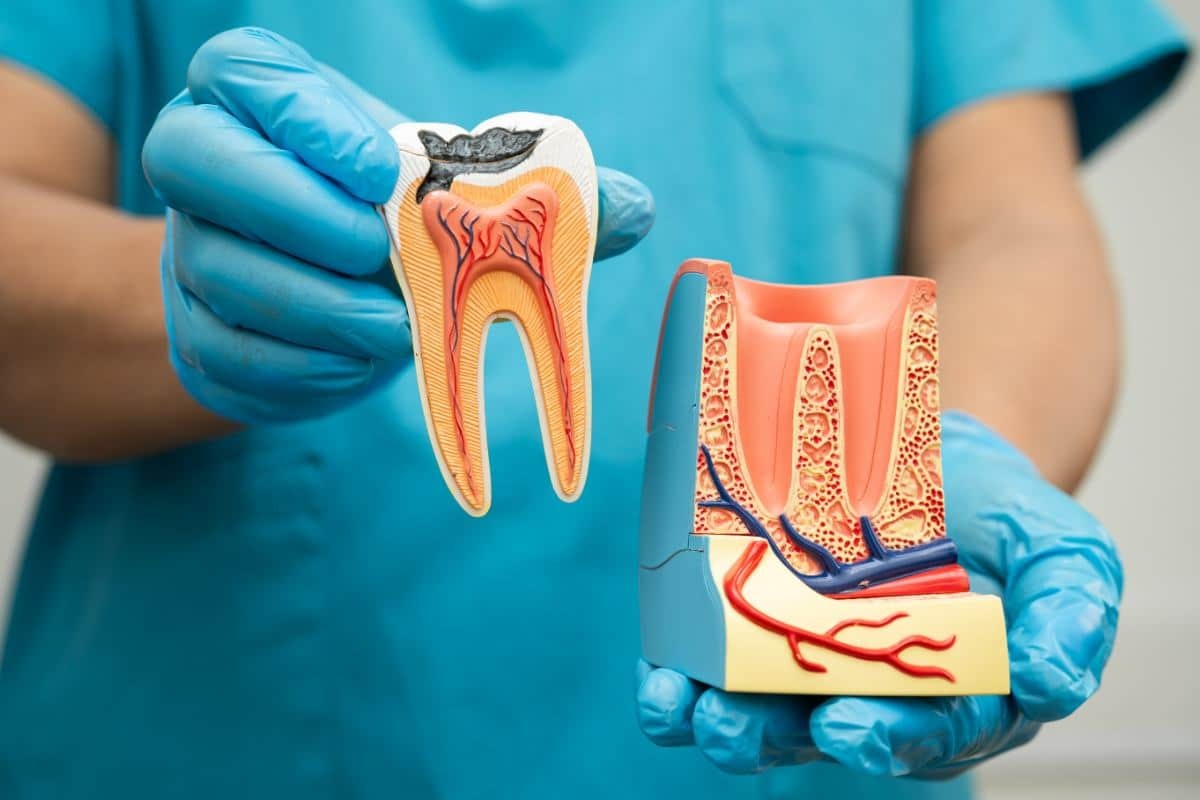
Without treatment, decay spreads deeper into the dentin and eventually reaches the pulp, where the tooth’s nerves and blood vessels are located.
Tooth Decay by the Numbers
Tooth decay affects millions of Americans every year.
Key statistics include:
- According to the Centers for Disease Control and Prevention (CDC), more than 90% of adults aged 20–64 have had cavities in their permanent teeth.
- The CDC also reports that over 50% of children aged 6–8 years have experienced at least one cavity in a primary tooth.
- The World Health Organization (WHO) estimates that approximately 2.5 billion people worldwide have untreated cavities in permanent teeth.
- Research published in the Journal of Dental Research shows that untreated dental caries remain a leading cause of tooth pain and infection.
- The American Dental Association (ADA) recommends routine dental visits and fluoride use to reduce cavity risk and prevent complications.
How Does a Cavity Become a Dental Emergency?
A cavity doesn’t become an emergency overnight.
The progression usually follows several stages:
Stage 1: Enamel Demineralization
Acid weakens the outer enamel.
At this point, fluoride treatment may help reverse the damage.
Stage 2: Enamel Cavity
A small cavity develops.
Treatment usually involves a simple tooth-colored filling.
Stage 3: Dentin Decay
The cavity extends into the dentin, causing:
- Increased sensitivity
- Mild pain
- Food trapping
Prompt treatment is important to prevent further progression.
Stage 4: Pulp Infection
When bacteria reach the pulp, inflammation and infection develop.
Symptoms often include:
- Severe toothache
- Lingering sensitivity
- Pain when biting
At this stage, root canal treatment is commonly needed to save the tooth.
Stage 5: Dental Abscess
An untreated pulp infection may spread beyond the tooth root.
This can create a dental abscess—a pocket of pus caused by bacterial infection.
An abscess may become a true dental emergency because the infection can spread into surrounding tissues.
Warning Signs That a Cavity May Be an Emergency
Seek prompt dental care if you experience:
- Severe or throbbing tooth pain
- Swelling of the gums or face
- Fever accompanied by tooth pain
- Difficulty swallowing
- Difficulty opening your mouth
- Persistent bad taste or drainage from the gums
- Tooth discoloration with pain
- Pain that prevents eating or sleeping
These symptoms may indicate an advanced infection requiring urgent treatment.
Why You Should Never Ignore a Cavity
Delaying treatment increases the risk of:
- Larger cavities
- Tooth fractures
- Root canal therapy
- Dental abscess
- Tooth extraction
- Spread of infection
Early treatment is generally simpler, less invasive, and less expensive than treating advanced decay.
Emergency Treatments for Advanced Cavities
The appropriate treatment depends on the severity of the damage.
Tooth-Colored Fillings
If enough healthy tooth structure remains, your dentist removes the decay and restores the tooth with a composite filling.
This is the most common treatment for small to moderate cavities.
Dental Crowns
Large cavities often weaken the tooth.
A crown covers the remaining structure, restoring strength, function, and appearance.
Root Canal Therapy
When decay reaches the pulp, root canal treatment removes infected tissue while preserving the natural tooth.
According to the American Association of Endodontists (AAE), more than 15 million root canal procedures are performed annually in the United States.
Drainage of a Dental Abscess
If an abscess has developed, your dentist may drain the infection to reduce pressure and eliminate bacteria.
Antibiotics may also be prescribed when the infection has spread beyond the tooth.
Tooth Extraction
If the tooth cannot be restored because of extensive decay or structural damage, extraction may be the safest option.
Your dentist will discuss tooth replacement options such as:
- Dental implants
- Dental bridges
- Partial dentures
Can a Tooth Infection Become Dangerous?
Yes.
Although uncommon with timely treatment, untreated dental infections can spread into nearby tissues and, in rare cases, become serious medical emergencies.
Seek immediate dental evaluation if swelling affects:
- Breathing
- Swallowing
- Facial movement
Prompt treatment significantly reduces the risk of complications.
Preventing Cavities from Becoming Emergencies
Most dental emergencies related to cavities are preventable.
Protect your oral health by:
- Brushing twice daily with fluoride toothpaste.
- Flossing every day.
- Limiting sugary snacks and beverages.
- Drinking fluoridated water when available.
- Visiting your dentist every six months.
- Treating small cavities promptly.
Preventive care remains the most effective strategy.
Who Is at Higher Risk?
Certain individuals have an increased risk of severe tooth decay.
Risk factors include:
- Poor oral hygiene
- Frequent sugar consumption
- Dry mouth
- Tobacco use
- Existing dental restorations
- Limited access to dental care
- Certain medical conditions and medications
Family dentists help identify these risks during routine examinations.
What Happens During an Emergency Dental Visit?
Your emergency dentist typically performs:
- Clinical examination
- Digital X-rays
- Pain assessment
- Infection evaluation
Treatment focuses on:
- Relieving pain
- Controlling infection
- Preserving the tooth whenever possible
If definitive treatment cannot be completed immediately, temporary measures may be used until follow-up care is provided.
Common Myths About Cavities
Myth 1: Cavities Always Hurt
Fact: Many cavities develop without symptoms until they reach deeper layers of the tooth.
Myth 2: Tooth Pain Will Go Away on Its Own
Fact: Pain may temporarily decrease if the nerve dies, but the infection often continues to spread.
Myth 3: Antibiotics Alone Can Cure a Bad Tooth
Fact: Antibiotics may help control certain infections, but they do not remove decay or eliminate infected pulp tissue. Definitive dental treatment is still required.
When Should You Call an Emergency Dentist?
Contact an emergency dentist in Lee’s Summit immediately if you have:
- Severe tooth pain
- Facial swelling
- Fever with dental pain
- Drainage from the gums
- Broken tooth with severe pain
- Difficulty swallowing or breathing
Prompt treatment can improve the chances of saving the tooth and preventing complications.
Conclusion
A cavity may begin as a small area of tooth decay, but it can quickly become a dental emergency if ignored. As bacteria penetrate deeper into the tooth, they can infect the pulp, cause severe pain, create an abscess, and even threaten surrounding tissues. Fortunately, early intervention with fillings, crowns, or root canal therapy can often stop the disease before it reaches this stage.
The best way to avoid a dental emergency is through prevention. Routine dental checkups, good oral hygiene, fluoride use, and prompt treatment of small cavities can protect your teeth and reduce the risk of serious complications. If you experience persistent tooth pain, swelling, or signs of infection, don’t wait—seeking professional dental care as soon as possible gives you the best chance of preserving your natural tooth and restoring your oral health.
Frequently Asked Questions
- Can a cavity become a dental emergency?
Yes. If left untreated, a cavity can progress into the tooth’s pulp, leading to infection, severe pain, or a dental abscess that requires emergency treatment.
- What are the signs that a cavity is serious?
Warning signs include persistent tooth pain, swelling, lingering sensitivity to hot or cold, pain when biting, fever, and drainage from the gums.
- Can an emergency dentist treat a cavity the same day?
In many cases, yes. Depending on the severity, an emergency dentist may provide a filling, crown, root canal therapy, or temporary treatment to relieve pain and stabilize the tooth.
- Will antibiotics cure a cavity?
No. Antibiotics may help manage the spread of a bacterial infection in some situations, but they do not remove tooth decay or repair the damaged tooth. Definitive dental treatment is still necessary.
- How can I prevent a cavity from becoming an emergency?
Brush and floss daily, use fluoride toothpaste, limit sugary foods and drinks, attend regular dental checkups, and have cavities treated promptly before they become larger or infected.
Recent Posts
Oct. 26, 2026
How Modern Root Canal Therapy Makes Dental Treatment More Comfortable?

Oct. 19, 2026
Family Dentist vs. General Dentist: What’s The Difference?

Oct. 12, 2026
Does Your Child’s Thumb Sucking Need Dental Intervention

Oct. 05, 2026
Tooth Pain at 2:00 AM: Your Real Emergency Options Beyond the ER

Sep. 28, 2026
How Do Taste Changes in The Mouth After Root Canal Therapy?
Catagories
- Cosmetic Dentistry (37)
- Dental Care (21)
- Dental Crowns (3)
- Dental Emergency (22)
- Dental Health (9)
- Dental Implant (2)
- Dental Sealants (3)
- Dentist (7)
- Dentures (3)
- Endodontic Treatment (4)
- Family Dentistry (2)
- General Dentistry (13)
- Invisalign (12)
- Oral Care (10)
- Pediatric Dentistry (2)
- Pediatric Dentistry (6)
- Restorative Dentistry (1)
- Root Canal Therapy (4)
- Smile Makeover (3)
- Teeth Whitening (1)
- Tooth Extraction (8)
- Uncategorized (0)