

July 24, 2025
Endodontic Treatment
A root canal is not an ordinary dental treatment—it’s your tooth’s second chance. Once you’ve finished the procedure, healing starts, and several of our patients at Hurd Family Dental in Lee’s Summit, MO, wonder the same thing:
- “Can I drink alcohol after a root canal?”
- “Is it safe to smoke after root canal treatment?”
These are significant questions. And the answer isn’t simply yes or no—it depends on how much you want to heal and maintain your oral health. That’s why it’s crucial to adhere to customized recovery instructions from your dental team.
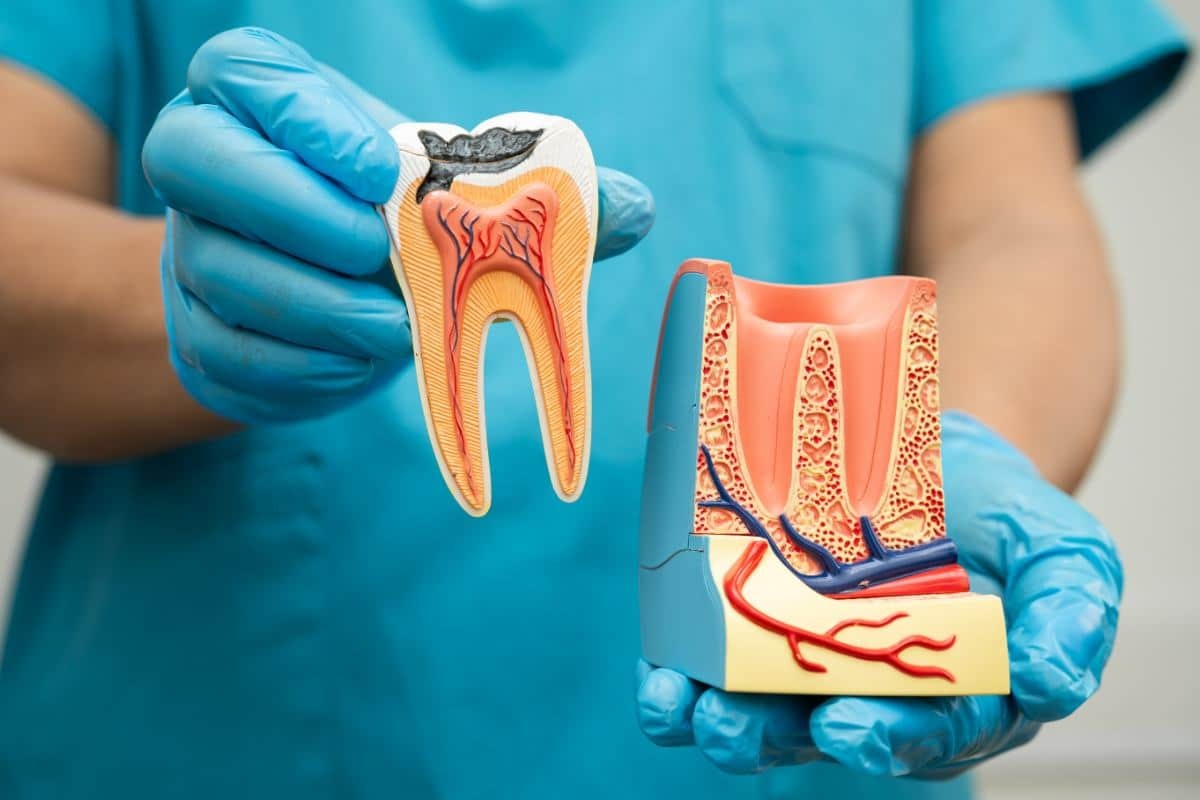
Root Canal Therapy in Lee’s Summit, MO, is a meticulous process that removes infection, seals the tooth, and gives it a new lease on life. But what you do afterward—particularly around alcohol and smoking—can make or break how well you heal.
Why Alcohol and Smoking Affect Root Canal Healing
While you’re recovering, your body requires complete support to minimize inflammation, repair tissue, and prevent infection. Both smoking and alcohol can disrupt this, potentially resulting in pain, slowed healing, and even failure of the root canal. I’m sharing this information to help you stay cautious and responsible during your recovery.
Follow your Dentist’s recovery guidelines—they’re specific to your case and medication regimen. Let’s discuss the impact of drinking and smoking on your recovery in greater detail so you feel guided and supported in your healing journey.
Drinking After Your Root Canal
Why You Should Avoid Alcohol
One of the most common search questions is:
“Does alcohol interact with root canal meds?”
Yes, it definitely can.
Alcohol can interact negatively with usual post-treatment medications, including:
- Antibiotics (such as metronidazole or amoxicillin)
- Pain medicines (such as ibuprofen or prescription painkillers)
Even small doses of alcohol will increase side effects such as dizziness, upset stomach, or stress on the liver. It can also lead to dehydration, which slows tissue healing and irritates the treated tissue.
How Long To Wait Before Drinking?
A popular follow-up question we get is:
“How long before I can have alcohol after a root canal?”
Wait at least 24 to 48 hours, depending on whether you’re on prescribed medications. If in doubt, call your Dentist Near 64063 for guidance.
What to Drink Instead
Nourish healing with:
- Room-temperature water
- Coconut water
- Unsweetened iced tea (neither too hot nor too cold)
Avoid These Post-Treatment Drinks
Avoid:
- Hot coffee or tea
- Sodas or citrus juices
- Alcoholic beverages
- Drinks with straws
These drinks irritate the treated area or disrupt the clotting and sealing process.
Smoking Following a Root Canal
Why Smoking Delays Recovery
Here’s another most searched question:
“Is it OK to smoke after a root canal?”
Technically possible, but highly discouraged. Here’s why:
Smoking lowers oxygen in your blood, so less blood flow reaches your healing gums and bones. This slows recovery and raises risks for:
- Infection
- Breakdown of tissue
- Aching complications (such as dry socket or sealant adhesion failure)
- Chronic gum disease
A CDC report indicates that smokers are twice as likely to experience complications from dental procedures as non-smokers.
How Long Until You Should Smoke After a Root Canal?
If you’re wondering:
“When can I smoke again after a root canal?”
The best answer is to wait at least 72 hours, preferably longer.
Let the inflammation subside and the tissues start healing. The longer you can wait, the better your result.
Having Trouble Overcoming Cravings? Try These:
Nicotine patches (with doctor’s approval)
- Sugar-free mints or xylitol gum
- Short walks or breathing exercises
- Cold water or herbal tea to calm nerves
Important Root Canal Aftercare Tips from Hurd Family Dental
No matter the type of root canal treatment you’ve received, good aftercare is key to your success. At Hurd Family Dental, we always suggest following these post-treatment habits:
✅ Soft foods such as scrambled eggs, yogurt, or mashed potatoes
✅ Gently brush with fluoride toothpaste
✅ Avoid chewing on the treated side until a permanent crown is cemented
✅ Drink plenty of fluids (but avoid alcohol)
✅ Don’t smoke
✅ Take all prescribed medications and follow dosage instructions
If you experience pain, unexplained swelling, or infection, call your qualified dentist in Lee’s Summit, MO, immediately. Don’t wait it out.
The Long-Term Advantage of Stopping Smoking for Your Oral Health
Your recovery from a root canal might be the wake-up call your smile needs. Quitting smoking doesn’t just benefit this one procedure—it sets you up for healthier gums, fresher breath, a lower risk of oral cancer, a stronger immune response to dental treatment, and less bone and tooth loss over time. I’m sharing this to encourage you to take a proactive approach to your long-term oral health.
- Healthier gums
- Improved breath
- Lower risk of oral cancer
- Increased immune response to dental treatment
- Less loss of bone and teeth over time
Your Road to Recovery Begins Here
Whether you’re recovering from a root canal or getting ready for one, your post-care routine makes a bigger difference than you’d ever imagine. If you ever have a question about drinking, smoking, or something else, don’t worry—we’re here to help guide you.
Call Hurd Family Dental today at (816) 524-4509 or book online. We’re here to answer your questions and help you heal comfortably with our trusted dental care provider in Lee’s Summit.
Conclusion
Finishing a root canal is an important step toward preserving a damaged or infected tooth, but what you do afterward still matters. The American Association of Endodontists recommends avoiding smoking because tobacco can interfere with the healing process. Alcohol may be acceptable once numbness has worn off for some patients, but medications, the type of treatment performed, and your dentist’s instructions can change what is appropriate.
At Hurd Family Dental, we approach post-root-canal care with your individual recovery and long-term oral health in mind. Protecting the treated tooth, avoiding heavy chewing until it has its permanent restoration, maintaining daily brushing and flossing, and attending your follow-up visit can help support a successful outcome.
If you have questions about when you can safely resume drinking alcohol, smoking, eating normally, or returning to other everyday activities after treatment, schedule an appointment with Dr. Francis Hurd. Visit our dental practice in Lee’s Summit to discuss your recovery, have the treated tooth examined, and receive personalized guidance based on your specific treatment and oral-health needs.
Frequently Asked Questions
1. How does Hurd Family Dental advise patients after a root canal?
Patients are typically advised to protect the treated tooth, follow prescribed aftercare instructions, maintain good oral hygiene, and complete any recommended follow-up restoration.
2. When can I drink alcohol after my root canal at Hurd Family Dental?
The timing depends on your treatment and medications. Our dentist can tell you when alcohol is appropriate and whether it could interact with anything prescribed after your procedure.
3. Can I smoke after receiving root canal treatment at Hurd Family Dental?
Smoking is not recommended after a root canal because it can interfere with healing. Avoiding tobacco during recovery is a healthier choice for your mouth and overall health.
4. When can I eat normally after my root canal?
Once the numbness has worn off, you can generally eat, but it is wise to avoid hard or chewy foods and heavy biting on the treated tooth until it has been permanently restored.
5. When should I contact Hurd Family Dental after a root canal?
Contact our dental office if you develop severe or increasing pain, swelling, an uneven bite, or if a temporary filling or crown becomes loose or falls out.
Recent Posts
Oct. 26, 2026
How Modern Root Canal Therapy Makes Dental Treatment More Comfortable?

Oct. 19, 2026
Family Dentist vs. General Dentist: What’s The Difference?

Oct. 12, 2026
Does Your Child’s Thumb Sucking Need Dental Intervention

Oct. 05, 2026
Tooth Pain at 2:00 AM: Your Real Emergency Options Beyond the ER
Sep. 28, 2026
How Do Taste Changes in The Mouth After Root Canal Therapy?
Catagories
- Cosmetic Dentistry (37)
- Dental Care (21)
- Dental Crowns (3)
- Dental Emergency (22)
- Dental Health (9)
- Dental Implant (2)
- Dental Sealants (3)
- Dentist (7)
- Dentures (3)
- Endodontic Treatment (4)
- Family Dentistry (2)
- General Dentistry (13)
- Invisalign (12)
- Oral Care (10)
- Pediatric Dentistry (2)
- Pediatric Dentistry (6)
- Restorative Dentistry (1)
- Root Canal Therapy (4)
- Smile Makeover (3)
- Teeth Whitening (1)
- Tooth Extraction (8)
- Uncategorized (0)