
November 19, 2025
General Dentistry
So, you’ve just survived the dentist’s chair. First off, congratulations! You are officially part of a very large club. According to the American Association of Endodontists (AAE), over 15 million root canals are performed annually in the United States.
But now that the anesthesia is wearing off and the “hangry” phase is setting in, you’re probably craving comfort food. For many of us, that means heat—Buffalo wings, spicy ramen, or tacos doused in hot sauce.
Before you reach for the Sriracha, pause for a second. While your tooth is on the road to recovery, your mouth is currently a “construction zone.” Here is everything you need to know about when it is safe to bring the heat back to your diet.
Why spicy food matters after a root canal
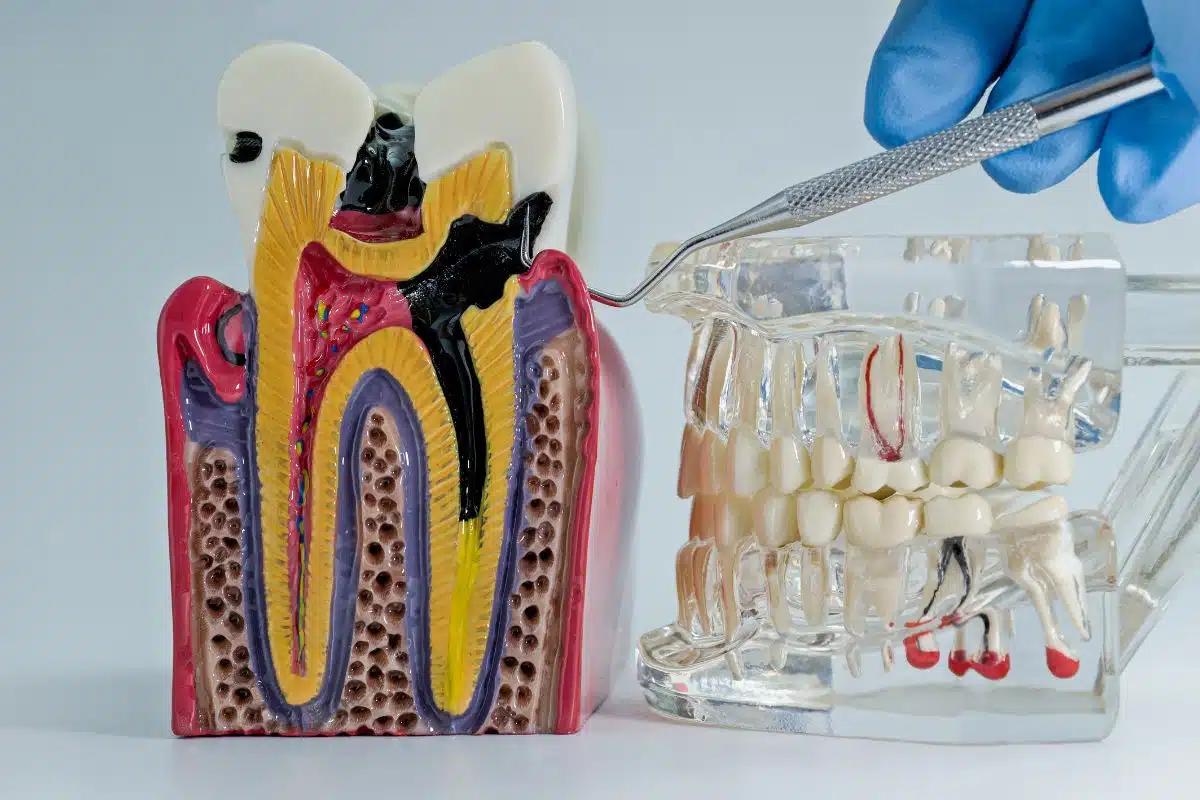
Root canal therapy in Lee’s Summit removes infected or inflamed pulp inside a tooth, then seals and restores the tooth. After the procedure, the surrounding tissues (gum and periodontal ligament) and the tooth itself may be sensitive or inflamed for a short time. Eating very hot, very spicy, or highly acidic foods can irritate that healing tissue, increase discomfort, or — in rare cases — interfere with a temporary filling or crown by encouraging chewing on the opposite side or causing you to bite oddly. For that reason, most post-op instructions recommend avoiding spicy and very hot foods during the initial healing window.
Typical recovery timeline
- Numbness & immediate safety (0–4 hours): Local anesthesia commonly lasts a few hours. Don’t eat until numbness fades to avoid biting your cheek or tongue. Most clinicians advise waiting at least until the numbness subsides.
- First 24–72 hours — the “sensitive” window: Many people experience some soreness or tenderness for 1–3 days after treatment; this is the period when tissues are most reactive. Clinical guidance routinely recommends soft, bland foods during this time and avoiding spicy/hot foods that may aggravate symptoms.
- 3–7 days — improvement for most patients: Most patients report that discomfort decreases substantially within a week. Studies and reviews show postoperative pain after root canal varies widely (reports range roughly from 3% up to 58% experiencing any post-op pain depending on research and measurement). Still, pain severity typically drops rapidly after the first few days. If symptoms are improving and you feel comfortable, you can begin to reintroduce mild spices.
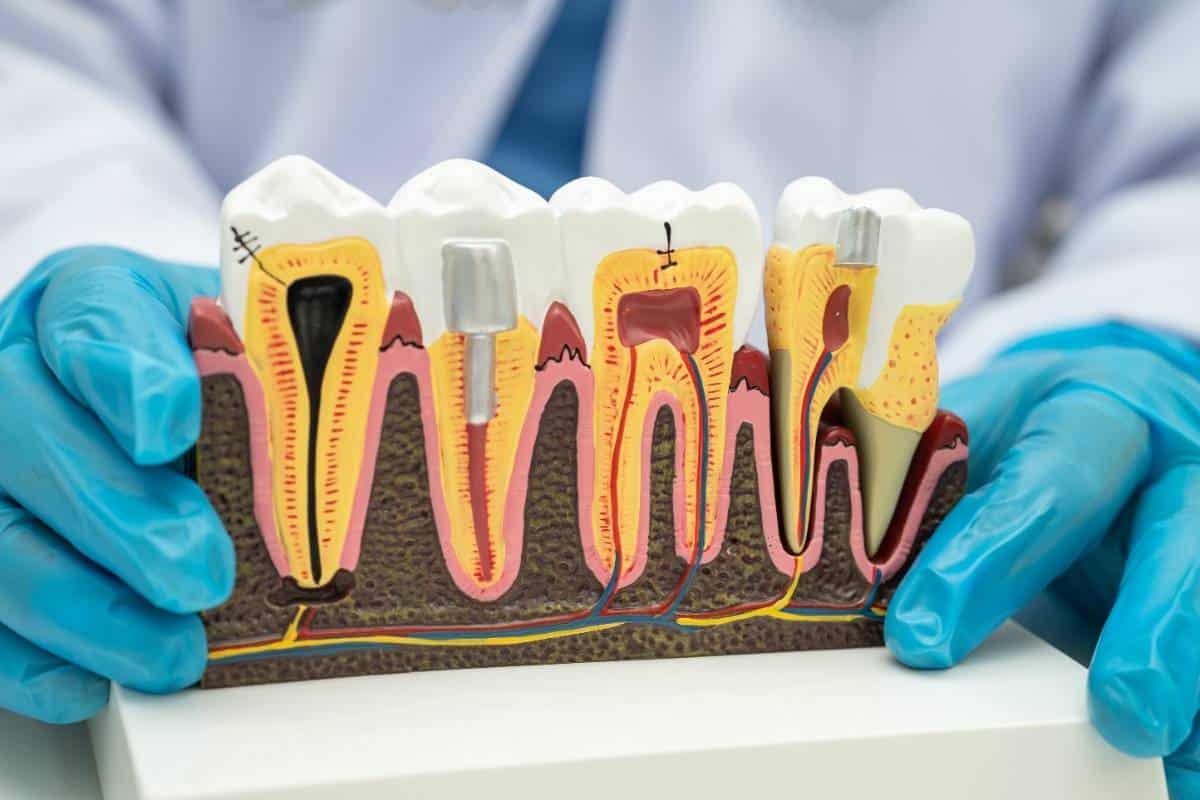
- After permanent restoration (weeks): Your endodontist or dentist may place a temporary filling, which a permanent filling or crown will later replace. Until the tooth is permanently restored, avoid behaviors that stress the tooth (chewing hard foods) — and if the definitive restoration is still weeks away, be cautious with very spicy, very hot, or very crunchy foods that might prompt protective chewing.
Practical, dentist-approved plan to reintroduce spicy foods
- First 24 hours: No spicy or very hot foods. Stick to soft, cool, or room-temperature items (yogurt, applesauce, mashed potatoes, smoothies once numbness is gone).
- Day 2–3: If your pain is mild/stable and you’re not swelling, try mild-seasoned foods (lightly seasoned eggs, mild soups cooled to lukewarm). Avoid concentrated sauces (such as hot sauce or salsa) and spicy curries.
- Day 4–7: If tenderness is gone or minimal and you’re comfortable chewing, you can try small amounts of moderately spicy food. Eat slowly; stop if you feel any sharp pain or pressure.
- After permanent crown/filling: Once your dentist places the permanent restoration and gives the “all clear,” you can return to your usual diet, including spicy foods — unless you have another reason (e.g., lingering sensitivity or a dry socket-like complication).
Red flags — call your dentist if you notice
- Increasing, throbbing pain after the first 48–72 hours.
- New or worsening swelling of your face, jaw, or gums.
- Fever, persistent bad taste, or drainage (possible sign of infection).
- Severe sensitivity that doesn’t respond to OTC pain meds.
Post-op studies show that while many people have mild discomfort after RCT, persistent or worsening symptoms aren’t typical and should be evaluated.
Tips to reduce irritation while still enjoying flavor
- Use milder chili varieties (e.g., poblano rather than habanero) and small amounts of spice at first.
- Let hot dishes cool to lukewarm so the temperature doesn’t aggravate the area.
- Avoid acidic spicy condiments (like citrus-heavy salsas) the first week — acid can irritate soft tissue.
- Chew on the opposite side of the treated tooth while it’s sensitive or until your permanent restoration is placed.
- Stay hydrated and follow any antibiotic or analgesic instructions your dentist gave.
Quick evidence snapshot (for the curious)
- Authoritative post-op care guidance (American Association of Endodontists) emphasizes gentle cleaning, avoiding chewing on the treated tooth until fully restored, and being cautious with complex/spicy foods during healing.
- Major patient health resources (Cleveland Clinic) note that most people recover within a week and advise soft, lukewarm foods until symptoms subside.
- Systematic reviews and clinical studies report that postoperative pain after root canal treatment varies widely across studies (estimates ranging from 3% to >50%, depending on the metric). Still, severity drops quickly for most patients within days — supporting a cautious reintroduction of potentially irritating foods after the first few days.
Conclusion
You don’t have to swear off spicy food forever after a root canal — but patience pays. Wait until the numbness is gone, stick to soft, lukewarm foods for the first 48–72 hours, and only reintroduce mild spices once tenderness is clearly improving. If you notice pain, swelling, or other concerning signs, contact your qualified dentist in Lee’s Summit right away. With the usual post-op course, most people can enjoy their favorite spicy dishes again within about a week — and certainly after the permanent restoration is in place.
FAQs
1. Can spicy food cause infection after a root canal?
No — spicy food itself won’t cause infection. Infection risk comes from bacteria. However, spicy or hot foods can irritate already sensitive tissues and make symptoms feel worse, so they’re best avoided while healing.
2. How long before I can eat my favorite spicy curry?
For most people: try a small, mild portion after 3–7 days if tenderness is gone. Wait until the tooth feels normal and any temporary filling feels secure. If in doubt, ask your dentist.
3. Is the risk different for molars vs. front teeth?
Molar root canals can feel different because molars take heavier chewing forces. Many clinicians advise extra caution with chewing and spicy/hot foods if a molar was treated, especially until the permanent crown is placed.
4. I still have mild sensitivity after a week — can I eat spicy food?
If sensitivity is mild and improving, try a tiny amount of mild spice and stop if it hurts. If sensitivity persists or worsens, postpone spicy foods and consult your dentist.
5. I bit my cheek while numb, and it’s very sore — can spicy food make it worse?
Yes. Cut, bitten, spicy, or hot foods can aggravate irritated cheek tissue. Wait until that soft-tissue soreness improves before trying spicy foods again.
6. Can I drink coffee after a root canal?
Yes, but wait until the numbness wears off so you don’t burn your mouth. Also, ensure it isn’t scalding hot. Extreme heat can aggravate the sensitive gum tissue. Lukewarm or iced coffee is a safer bet for the first 24 hours.
7. I ate spicy food by accident, and it hurts—what should I do?
Don’t panic. Rinse your mouth gently with lukewarm salt water (1/2 teaspoon of salt in a cup of warm water) to soothe the inflammation. Avoid any further irritation and stick to bland, cool foods for the next 24 hours. If the pain persists or is severe, call your endodontist.
8. When can I chew on the treated side of my mouth?
You should generally avoid chewing on the treated side until your permanent crown is placed. The temporary filling used after the first appointment is delicate and can break or leak if you chew hard or sticky foods.
9. Is it normal to still feel pain days after the procedure?
Mild tenderness is normal for a few days. However, if you experience severe pain, visible swelling, or a return of your original symptoms, contact your dentist immediately. This could indicate a need for further cleaning or medication.
10. Can I drink alcohol after a root canal?
It is best to wait at least 24 hours. Alcohol can increase bleeding and dry out your mouth, which slows down the healing process. Additionally, if you were prescribed pain medication or antibiotics, alcohol might interact negatively with them. Always check your prescription label.
Recent Posts
Aug. 19, 2026
Can A Root Canal Save A Severely Damaged Tooth?

Aug. 12, 2026
Can Cosmetic Dentistry Close Gaps Between Teeth?
Aug. 05, 2026
How Do Family Dentists Treat Tooth Decay?

Jul. 29, 2026
How Does Family Dentistry Support Long-Term Oral Health?

Jul. 22, 2026
Can Cosmetic Dentistry Fix Damaged Teeth and Restore Your Perfect Smile?
Catagories
- Cosmetic Dentistry (36)
- Dental Care (21)
- Dental Crowns (3)
- Dental Emergency (20)
- Dental Health (9)
- Dental Implant (2)
- Dental Sealants (3)
- Dentist (7)
- Dentures (3)
- Endodontic Treatment (4)
- Family Dentistry (1)
- General Dentistry (9)
- Invisalign (12)
- Oral Care (11)
- Pediatric Dentistry (2)
- Pediatric Dentistry (5)
- Restorative Dentistry (1)
- Root Canal Therapy (4)
- Smile Makeover (3)
- Teeth Whitening (1)
- Tooth Extraction (8)
- Uncategorized (0)