
July 8, 2026
Endodontic Treatment
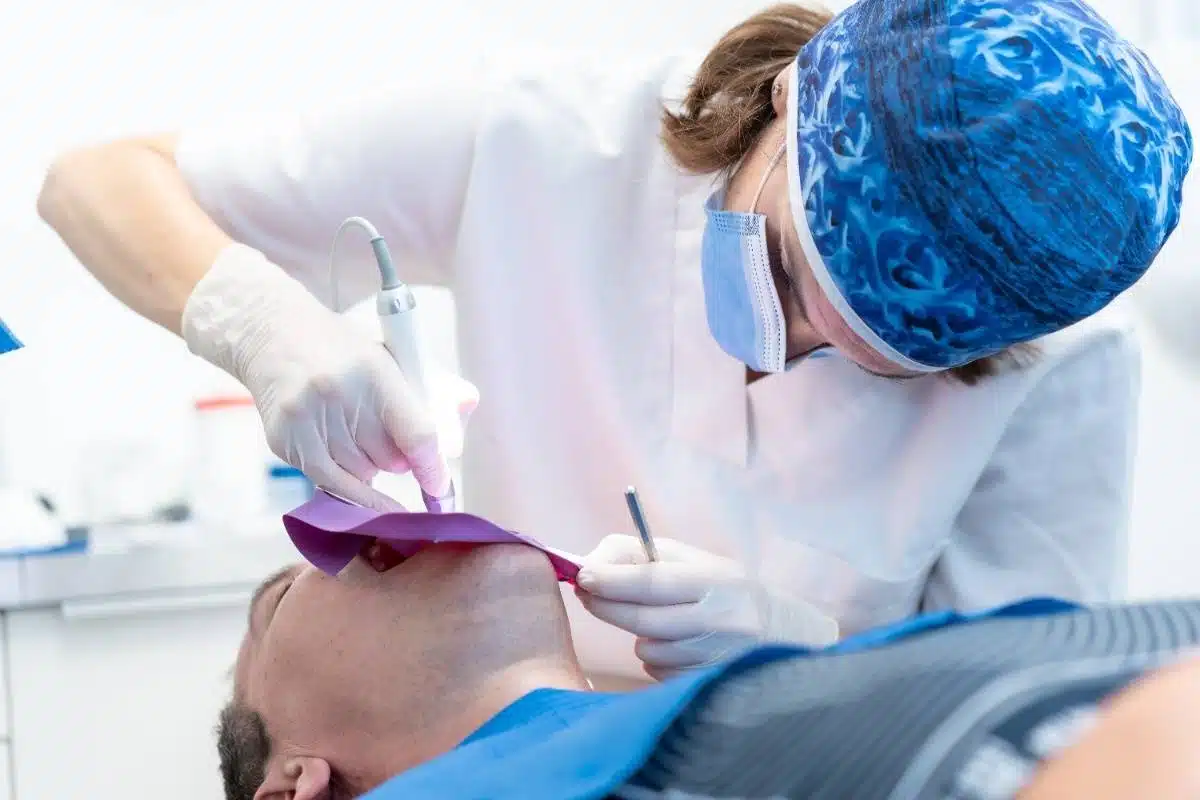
Have you ever skipped a dental checkup because your teeth felt perfectly fine?
You’re not alone. Many Americans wait until they experience pain before scheduling a dental appointment. Unfortunately, by the time a tooth starts hurting, decay or infection may already have reached the inner pulp, making a root canal the best option to save the tooth.
The good news is that regular dental checkups can dramatically reduce the chances of needing root canal therapy. Routine examinations allow your dentist to identify cavities, worn fillings, gum disease, and early signs of infection before they become serious problems. Combined with professional cleanings and preventive treatments, these visits help protect both your oral health and your wallet.
According to the Centers for Disease Control and Prevention (CDC), nearly 90% of adults aged 20–64 have experienced tooth decay, and about 1 in 4 adults has untreated cavities. Left untreated, these cavities can progress to deep infections that require root canal treatment or even tooth extraction. The American Dental Association (ADA) also recommends regular dental visits based on individual oral health needs because preventive care remains the most effective way to avoid costly dental procedures.
Whether you’re new to the area or looking for a trusted local dentist, understanding how preventive dental care protects your teeth can help you make informed decisions that benefit your smile for years to come.
Modern root canal procedures are highly successful. According to the American Association of Endodontists (AAE), root canal treatment has a success rate exceeding 95% when properly restored.
However, preventing infection altogether is always preferable.
Why Do People End Up Needing Root Canals?
Most root canals develop because dental problems were allowed to progress unnoticed.
Common causes include:
- Untreated cavities
- Cracked or fractured teeth
- Failed fillings
- Severe gum disease
- Repeated dental procedures on one tooth
- Dental trauma
Many of these conditions begin with little or no discomfort, making routine dental examinations especially important.
The Connection Between Regular Dental Checkups and Root Canal Prevention
Routine dental visits focus on prevention rather than treatment.
Instead of waiting for pain, dentists identify problems while they’re still small and inexpensive to fix.
Here’s how regular checkups help reduce your risk.
1. Early Detection of Cavities
Small cavities rarely cause pain.
During your examination, your dentist uses visual inspection, digital X-rays, and diagnostic tools to locate decay hidden between teeth or beneath existing fillings.
A tiny cavity usually requires only a simple filling.
Without treatment, bacteria continue to erode enamel and dentin until they reach the pulp.
At that stage, a filling is no longer enough.
According to the CDC, untreated decay remains one of the most common chronic diseases affecting both children and adults in the United States.
2. Professional Dental Cleanings Remove Harmful Plaque
Even excellent brushing cannot remove hardened tartar.
Professional cleanings eliminate:
- Plaque buildup
- Tartar deposits
- Surface stains
- Harmful bacteria
This significantly lowers the risk of cavities and gum disease.
Research consistently shows that bacterial biofilm is the primary cause of tooth decay and periodontal disease.
Professional cleanings interrupt this process before permanent damage occurs.
3. Detecting Cracked Teeth Before Infection Develops
Small cracks often go unnoticed.
Patients may experience:
- Mild sensitivity
- Pain when chewing
- No symptoms at all
If bacteria enter the crack, the pulp can become infected.
Routine examinations allow dentists to detect tiny fractures early and recommend treatments such as bonding or crowns before root canal therapy becomes necessary.
4. Monitoring Existing Fillings and Crowns
Dental restorations do not last forever.
Older fillings may:
- Crack
- Leak
- Wear down
- Allow bacteria underneath
Regular dental exams identify failing restorations before hidden decay develops.
Replacing a damaged filling is much simpler than treating an infected tooth.
5. Preventing Gum Disease
Gum disease doesn’t just affect gums.
Advanced periodontal disease exposes tooth roots, increasing the risk of bacterial infection.
The CDC estimates that nearly 42% of adults aged 30 years and older have some form of periodontitis, while approximately 8% have severe disease.
Routine periodontal evaluations allow dentists to detect inflammation before permanent bone loss occurs.
6. Digital X-Rays Find Problems You Can’t See
Many serious dental conditions begin below the surface.
Digital radiographs can identify:
- Hidden cavities
- Bone loss
- Early abscesses
- Impacted teeth
- Internal tooth damage
Without X-rays, these problems often remain unnoticed until symptoms become severe.
Modern digital imaging also exposes patients to significantly less radiation than traditional dental X-rays.
7. Fluoride Treatments Strengthen Teeth
Fluoride helps remineralize weakened enamel.
Professional fluoride applications are especially beneficial for:
- Children
- Seniors
- Dry mouth patients
- High cavity-risk individuals
Research published by the American Dental Association shows fluoride significantly reduces cavity formation throughout life.
That Highlights the Importance of Preventive Dental Care
Preventive dentistry isn’t just good advice—it is supported by decades of research.
Some important statistics include:
- Nearly 90% of U.S. adults have experienced tooth decay.
- Approximately 26% of adults have untreated cavities.
- Around 42% of adults over age 30 have periodontal disease.
- Tooth decay remains one of the most common chronic diseases worldwide.
- Root canal treatment saves millions of teeth annually that would otherwise require extraction.
- Studies show preventive dental visits reduce the need for extensive restorative procedures over time.
These numbers illustrate why routine dental care plays such an important role in preserving natural teeth.
How Often Should You Schedule Dental Checkups?
Many people assume everyone should visit the dentist exactly twice a year. While six-month checkups remain appropriate for many patients, the American Dental Association (ADA) recommends that the frequency of dental visits be based on each person’s oral health status and risk factors.
Your dentist may recommend more frequent visits if you have:
- A history of frequent cavities
- Gum disease
- Diabetes
- Dry mouth (xerostomia)
- Tobacco use
- Orthodontic appliances
- Dental implants
- A weakened immune system
Patients with excellent oral health may only require routine examinations at longer intervals, while those at higher risk benefit from more frequent preventive care. Your local dentist can develop a personalized schedule based on your needs.
Warning Signs You Should Never Ignore
Even if you have regular dental appointments, don’t wait for your next visit if you notice any of these symptoms:
- Persistent toothache
- Sensitivity to hot or cold that lasts more than a few seconds
- Pain when chewing
- Swollen or bleeding gums
- Facial swelling
- A cracked or chipped tooth
- Darkening of a tooth
- A pimple-like bump on the gums
- Bad breath that doesn’t improve with brushing
These symptoms may indicate decay, infection, or gum disease that requires prompt treatment. Early intervention can often prevent the need for root canal therapy in Lee’s Summit.
Preventive Treatments That Help Avoid Root Canals
Routine dental visits involve much more than cleaning your teeth. Your dentist may recommend preventive treatments based on your oral health.
Dental Sealants
Sealants are thin protective coatings applied to the chewing surfaces of molars.
According to the CDC, school-age children without sealants are nearly three times as likely to develop cavities as those with sealants. While commonly used for children, sealants can also benefit cavity-prone adults.
Fluoride Treatments
Professional fluoride applications strengthen enamel by promoting remineralization.
Research has consistently shown that fluoride reduces the risk of dental decay by making teeth more resistant to acid attacks from bacteria.
Oral Cancer Screening
Many routine dental examinations include oral cancer screenings.
The American Cancer Society estimates that more than 59,000 Americans will be diagnosed with oral cavity or oropharyngeal cancer annually. Early detection significantly improves treatment outcomes.
Bite Evaluation
Uneven bite pressure can cause cracked teeth, worn enamel, and damaged restorations.
During regular checkups, dentists assess your bite and recommend adjustments or night guards if necessary.
Gum Disease Monitoring
Healthy gums provide the foundation for healthy teeth.
Routine periodontal measurements help identify early gum disease before it progresses into bone loss that may threaten tooth stability.
The Financial Benefits of Preventive Dental Care
Many patients delay routine visits because they worry about the cost.
Ironically, skipping preventive care usually results in much higher treatment expenses later.
Consider the difference:
| Preventive Care | Advanced Treatment |
| Routine exam | Root canal therapy |
| Professional cleaning | Dental crown |
| Small filling | Tooth extraction |
| Fluoride treatment | Dental implant |
| Sealants | Bone grafting |
A simple filling performed early typically costs only a fraction of what patients spend on root canal treatment, followed by a permanent crown.
Preventive dentistry is one of the best long-term investments you can make in your oral health.
Healthy Habits That Reduce Your Risk of Root Canals
Routine dental visits work best when combined with good daily habits.
Brush Twice Every Day
Brush for at least two minutes using fluoride toothpaste.
The ADA recommends brushing twice daily with a soft-bristled toothbrush.
Floss Daily
Floss removes plaque between teeth where toothbrush bristles cannot reach.
Interdental cleaning significantly reduces plaque buildup and gum inflammation.
Limit Sugary Foods and Drinks
Frequent sugar consumption feeds cavity-causing bacteria.
The World Health Organization (WHO) recommends limiting free sugars to less than 10% of daily calorie intake, with additional benefits when intake is below 5%.
Drink Plenty of Water
Fluoridated drinking water helps strengthen enamel and wash away food particles.
The CDC identifies community water fluoridation as one of the 10 greatest public health achievements of the 20th century because of its proven role in reducing tooth decay.
Wear a Mouthguard
If you participate in sports or grind your teeth while sleeping, wearing a custom mouthguard helps prevent fractures that may expose the tooth’s pulp.
Avoid Tobacco Products
Smoking increases the risk of:
- Gum disease
- Tooth loss
- Delayed healing
- Oral cancer
Quitting tobacco benefits both your oral and overall health.
Why Choosing a Local Dentist Matters
Having a trusted local dentist makes preventive care more convenient and consistent.
A local dental practice can:
- Monitor changes in your oral health over time
- Maintain accurate dental records and X-rays
- Detect small problems before they become emergencies
- Provide timely treatment if an issue develops
- Offer personalized preventive recommendations based on your needs
Building a long-term relationship with your local Lee’s Summit dentist encourages continuity of care and reduces the likelihood of serious dental complications.
Common Myths About Root Canals
Myth 1: If My Tooth Doesn’t Hurt, It’s Healthy
Fact: Many cavities and infections develop without causing pain in the early stages.
Myth 2: Root Canals Are Extremely Painful
Fact: Modern root canal treatment is performed using local anesthesia and is generally no more uncomfortable than receiving a filling.
Myth 3: Brushing Alone Prevents Root Canals
Fact: Home care is essential, but professional exams, cleanings, X-rays, and preventive treatments are necessary to detect hidden problems.
Myth 4: Dental Checkups Aren’t Necessary if My Teeth Look Fine
Fact: Many dental diseases progress silently. Routine examinations help identify issues before symptoms appear.
Conclusion
Regular dental checkups are one of the most effective ways to reduce the risk of needing a root canal. By identifying cavities early, monitoring existing dental work, detecting cracked teeth, preventing gum disease, and providing professional cleanings, routine dental visits help stop minor problems from becoming serious infections.
When combined with good oral hygiene, a healthy diet, and timely treatment of minor issues, preventive dental care protects your natural teeth, minimizes future treatment costs, and supports long-term oral health.
If it’s been more than six months since your last dental exam—or you’ve noticed tooth sensitivity, discomfort, or bleeding gums—now is the perfect time to schedule an appointment with your local dentist. Taking action today can help you avoid more complex procedures tomorrow and keep your smile healthy for years to come.
Frequently Asked Questions
- Can regular dental checkups really prevent the need for root canals?
Yes. Routine examinations allow dentists to detect cavities, cracked teeth, and gum disease before infection reaches the tooth’s pulp, reducing the likelihood of root canal therapy.
- How often should I visit the dentist?
The ADA recommends that the frequency of dental visits be based on your individual oral health needs. Many people benefit from checkups every six months, while higher-risk patients may require more frequent visits.
- What causes a tooth to need a root canal?
The most common causes include untreated cavities, deep cracks, repeated dental procedures, trauma, and advanced bacterial infection affecting the dental pulp.
- Are root canals better than tooth extraction?
Whenever possible, saving a natural tooth with root canal therapy is usually preferred because it preserves normal chewing function and helps maintain jawbone health. Your dentist can recommend the best treatment for your situation.
- What is the best way to lower my risk of needing a root canal?
Brush twice daily with fluoride toothpaste, floss every day, limit sugary foods and beverages, drink fluoridated water, avoid tobacco, and schedule regular dental checkups and professional cleanings.
Recent Posts
Aug. 19, 2026
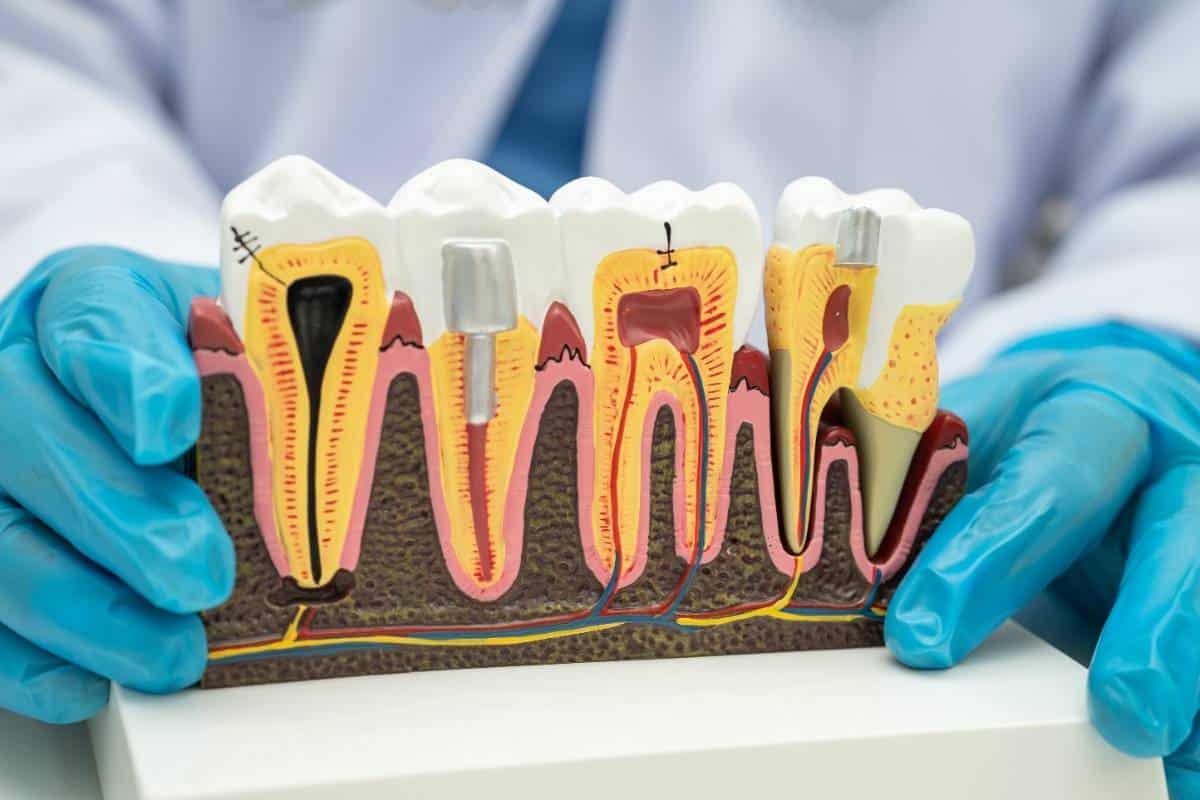
Can A Root Canal Save A Severely Damaged Tooth?

Aug. 12, 2026
Can Cosmetic Dentistry Close Gaps Between Teeth?
Aug. 05, 2026
How Do Family Dentists Treat Tooth Decay?
Jul. 29, 2026
How Does Family Dentistry Support Long-Term Oral Health?

Jul. 22, 2026
Can Cosmetic Dentistry Fix Damaged Teeth and Restore Your Perfect Smile?
Catagories
- Cosmetic Dentistry (36)
- Dental Care (21)
- Dental Crowns (3)
- Dental Emergency (20)
- Dental Health (9)
- Dental Implant (2)
- Dental Sealants (3)
- Dentist (7)
- Dentures (3)
- Endodontic Treatment (4)
- Family Dentistry (1)
- General Dentistry (9)
- Invisalign (12)
- Oral Care (11)
- Pediatric Dentistry (5)
- Pediatric Dentistry (2)
- Restorative Dentistry (1)
- Root Canal Therapy (4)
- Smile Makeover (3)
- Teeth Whitening (1)
- Tooth Extraction (8)
- Uncategorized (0)