
September 11, 2025
Dental Care
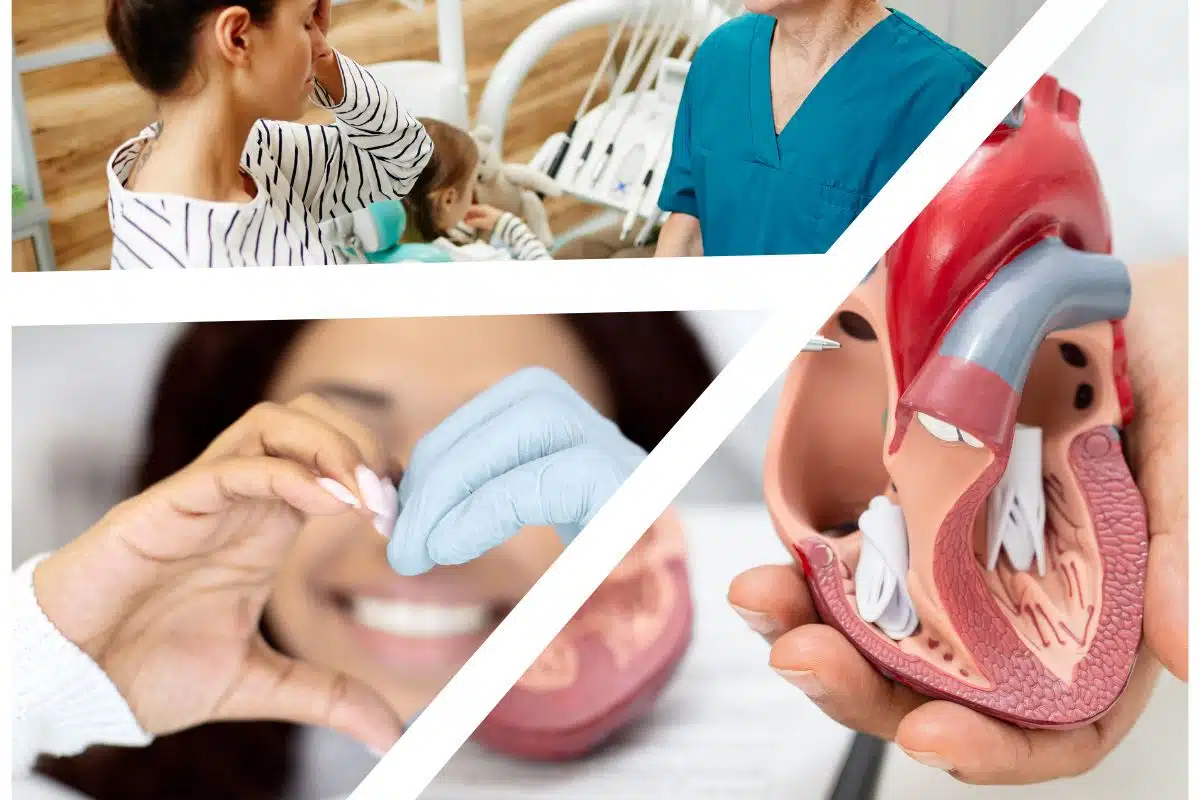
Indeed, research indicates that untreated gum infections may raise the risk of coronary artery disease. Pathogenic bacteria from hidden infections might find their way into the bloodstream, triggering inflammation that increases the buildup of arterial plaque. This tends to constrict blood vessels and limit blood flow, increasing the risk of heart attacks or strokes.
How Do Hidden Tooth Infections Increase Heart Disease Risk?
When bacteria travel from the mouth to the bloodstream, they cause low-grade inflammation in the body. Chronic inflammation over time can:
- Speed up plaque formation in arteries.
- Disrupt blood vessel function.
- Raise the risk of clots.
The American Heart Association and CDC have highlighted this relationship, noting that individuals with acute gum disease can be twice or thrice as likely to develop cardiovascular disease. Dentists can minimize these risks by treating infections before they affect the heart.
What Are the Symptoms of a Hidden Tooth Infection Without Apparent Pain?
Not all infections ache immediately. Many are “silent” until they’re well advanced. Warning signs to be aware of include:
- Swelling in the face or jaw
- Bad taste in the mouth
- Chronic bad breath
- Gum redness or tenderness
- Sensitivity when chewing
Can a tooth infection be hidden for years?
Yes. In certain instances, root infections are not apparent for long and become known only during dental check-ups or X-rays. Therefore, frequent visits are essential.
If these symptoms occur, a visit to a dentist in Henderson, MO, who is trained to identify and treat these issues, can help determine the issue before it is too late.
Can Untreated Dental Infections Contribute to Systemic Health Issues?
Absolutely. Oral bacteria don’t remain in the mouth—they can spread to other body areas. Aside from heart disease, untreated infections could also lead to:
- Diabetes complications
- Respiratory infections
- Compromised immune function
What if you never get a tooth infection treated?
If left untreated, the infection could travel throughout the bloodstream and lead to sepsis, endocarditis, or other life-threatening complications.
What Are the Treatments for Hidden Tooth Infections?
Treatment varies based on the severity of the infection. Some solutions typically are:
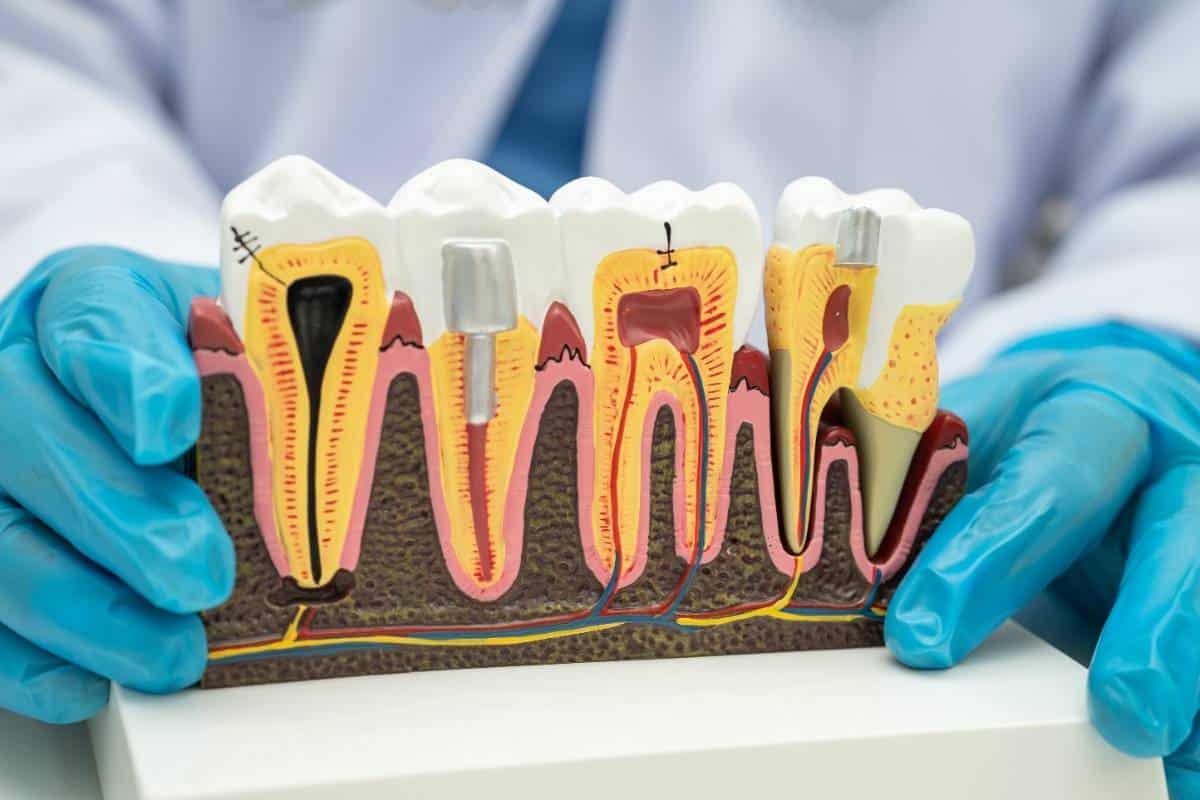
- Root canal treatment to drain and seal the tooth
- Antibiotics to manage bacterial spread
- Extraction of the tooth when damage is irreversible
Can antibiotics treat a tooth infection by themselves?
Antibiotics can alleviate symptoms but do not kill the source of infection. A dental procedure is usually necessary to completely correct the issue.
Why Is Early Tooth Infection Detection Important to Heart Health?
Early detection prevents infection before bacteria gain access to the blood. Routine check-ups detect tiny cavities or gum problems that can eventually cause systemic inflammation. Put simply, on-time treatment reduces the chances of both dental emergencies and cardiovascular disease.
How Prevalent Are Symptomatic Root Infections in Dental Patients?
Research indicates that most root infections occur silently. Indeed, many patients only find out about them through regular X-rays.
How do dentists locate concealed tooth infections?
Dentists sometimes use X-rays, 3D scans, and thorough examinations to detect infections that cannot be seen with the naked eye.
Can Untreated Tooth Infections Cause Heart Valve Infections (Endocarditis)?
Yes. Bacteria from infected teeth can pass through the blood and bind to heart valves. The result, infective endocarditis, is rare but extremely dangerous—particularly for people with prior heart issues.
What Dental Procedures Can Prevent Heart Disease From Tooth Infections?
Preventive and restorative treatments share the responsibility. Some beneficial procedures are:
- Professional cleanings regularly
- Treatment of gum disease through periodontal therapy
- Fillings for cavities before they get worse
- Root canal therapy to save a tooth infected with bacteria
With a Dentist Near 64063, the treatments are designed specifically for your situation.
How Are Tooth Infections Associated With Inflammation and Heart Disease?
Inflammation is the connection between heart disease and oral health. Oral bacteria stimulate the immune system, creating inflammatory markers that flow throughout the body. Over time, these markers destroy arteries and lead to cardiovascular disease.
Could Routine Dental Check-Ups Help Prevent Severe Heart Problems from Oral Infections?
Yes. Regular visits allow dentists to identify undiagnosed infections, treat early gum disease, and prevent bacteria from entering the bloodstream. By staying consistent with your visits and maintaining good oral hygiene at home, you significantly reduce your risk of developing serious complications later, providing you with a sense of reassurance and safety.
How frequently should I visit the dentist to help save my heart?
Most adults should visit at least twice a year for exams and cleanings. However, it’s also essential to maintain good oral hygiene at home and to promptly report any unusual symptoms to your dentist. Your dentist may recommend more frequent visits if you’re at higher risk for gum disease or infections.
The proof is that oral and heart health are intertwined. Subtle infections in your mouth can quietly raise your risk for coronary artery disease and even heart valve infection. But the best part? Early detection and treatment can make all the difference in preventing these serious health issues.
If you’re looking for a trusted Henderson Dentist or want expert care here in Lee’s Summit, our team at Hurd Family Dental is ready to help protect your smile and overall wellness.
Recent Posts
Aug. 19, 2026
Can A Root Canal Save A Severely Damaged Tooth?

Aug. 12, 2026
Can Cosmetic Dentistry Close Gaps Between Teeth?

Aug. 05, 2026
How Do Family Dentists Treat Tooth Decay?
Jul. 29, 2026
How Does Family Dentistry Support Long-Term Oral Health?

Jul. 22, 2026
Can Cosmetic Dentistry Fix Damaged Teeth and Restore Your Perfect Smile?
Catagories
- Cosmetic Dentistry (36)
- Dental Care (21)
- Dental Crowns (3)
- Dental Emergency (20)
- Dental Health (9)
- Dental Implant (2)
- Dental Sealants (3)
- Dentist (7)
- Dentures (3)
- Endodontic Treatment (4)
- Family Dentistry (1)
- General Dentistry (9)
- Invisalign (12)
- Oral Care (11)
- Pediatric Dentistry (2)
- Pediatric Dentistry (5)
- Restorative Dentistry (1)
- Root Canal Therapy (4)
- Smile Makeover (3)
- Teeth Whitening (1)
- Tooth Extraction (8)
- Uncategorized (0)