

April 25, 2023
Oral Care
Welcome to our comprehensive guide on tooth decay prevention for all ages! Tooth decay is a common dental problem that affects people of all ages, and it can lead to serious oral health issues if left untreated. Fortunately, there are many simple steps you can take to prevent tooth decay and keep your teeth healthy and strong. In this article, we’ll explore the different causes of tooth decay, the types of tooth decay, and most importantly, how to prevent it from happening in the first place. Whether you’re a child or an adult, this guide has everything you need to know about protecting your pearly whites!
What Causes Tooth Decay?
Tooth decay is caused by a combination of factors, including bacteria in your mouth, sugary and acidic foods and drinks, poor dental hygiene habits, and weakened tooth enamel.
The bacteria in your mouth produce acids that can erode the protective layer of enamel on your teeth. This erosion creates small holes or cavities in the teeth, which can grow larger over time if left untreated.
Consuming sugary and acidic foods and drinks also contributes to tooth decay. These substances stick to the surface of teeth and provide food for harmful bacteria. Over time, this can lead to increased acid production and erosion of tooth enamel.
Poor dental hygiene habits such as failing to brush or floss regularly can also contribute to tooth decay. When you don’t remove food particles from your teeth regularly, they become a breeding ground for harmful bacteria that cause decay.
Weakened tooth enamel due to certain medical conditions or medications may increase vulnerability to tooth decay. It’s important to speak with your dentist about any health issues that may impact your oral health so they can recommend appropriate preventative measures.
The Different Types of Tooth Decay
Tooth decay is a common dental problem that affects people of all ages. However, not all tooth decay is the same. In fact, there are different types of tooth decay that can affect your oral health in different ways.
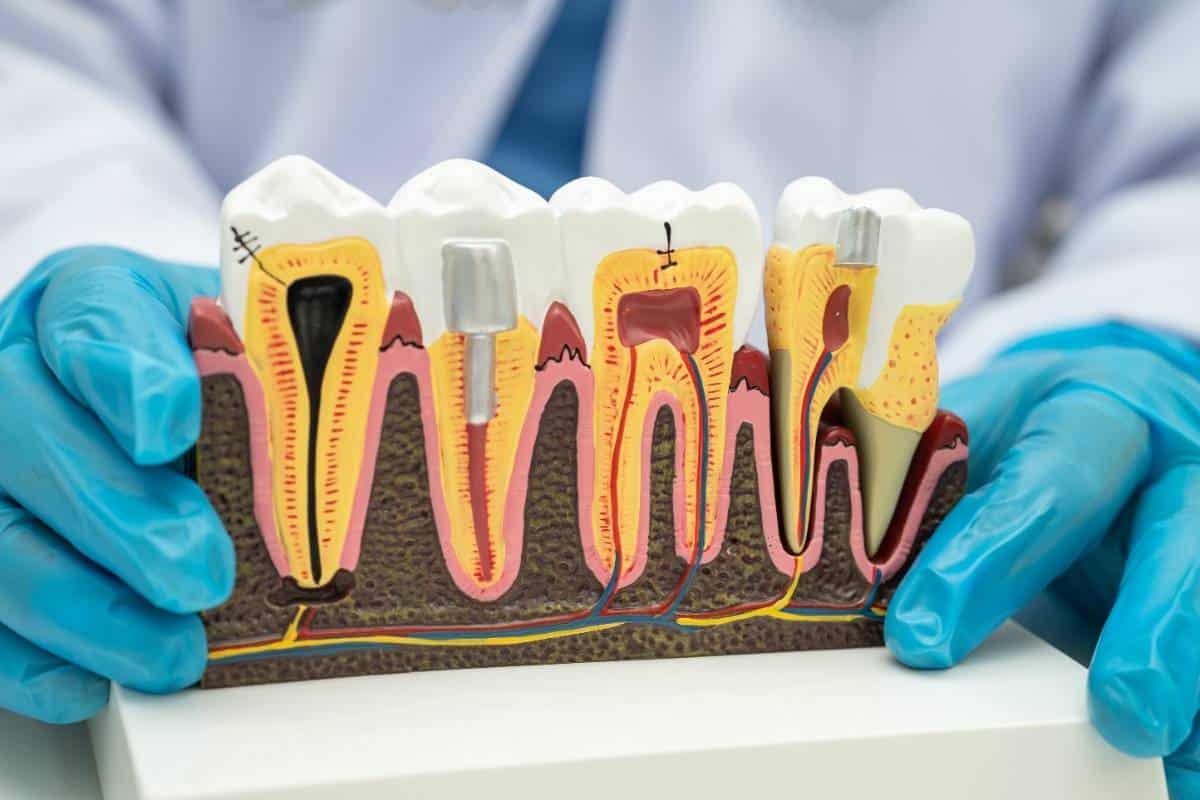
The most common type of tooth decay is known as “coronal” or “surface” decay, which occurs on the chewing surfaces and between teeth. This type of decay typically starts with a white spot on the tooth’s surface and progresses to a cavity if left untreated.
Another type of tooth decay is called “root” or “sub-surface” decay, which starts below the gum line and affects the roots of teeth. This type of decay often goes unnoticed until it has progressed significantly and can cause severe pain and discomfort.
There is also a less common but more aggressive form of tooth decay called “rampant” or “aggressive” caries. This type can rapidly spread throughout multiple teeth at once, causing extensive damage in a short amount of time.
There’s something we call recurrent dental caries. It occurs when previously treated areas experience new cavities due to poor oral hygiene practices or inadequate dental restorations.
Understanding these types of tooth decay helps you to identify early signs before they get worse over time. Prevention remains key through proper brushing twice daily with fluoride-based products (to strengthen enamel), eating well-balanced meals while minimizing sugary foods/drinks intake along with regular checkups by dentists for cleanings every six months ensuring optimal oral health!
How to Prevent Tooth Decay in Children and Adults
Preventing tooth decay is crucial for maintaining good oral health. It’s important to start early and teach your children good dental habits that will last a lifetime. Here are some tips on how to prevent tooth decay in both children and adults:
1. Brush twice a day: Make sure you brush your teeth thoroughly with a fluoride toothpaste at least twice a day, especially before going to bed.
2. Floss daily: Flossing removes food particles and plaque from between the teeth where the brush can’t reach.
3. Limit sugary foods and drinks: Sugary snacks and beverages contribute significantly to tooth decay, so it’s essential to limit them or avoid them completely.
4. Use mouthwash: Mouthwash helps kill bacteria that cause bad breath, gum disease, and cavities.
5. Get regular check-ups: Regular dental check-ups help detect any issues early on before they become more severe problems.
6. Wear protective gear during sports activities: If you or your child plays contact sports, wearing protective gear like mouthguards can help prevent injuries that may lead to chipped or broken teeth.
By following these tips regularly, you can ensure healthy teeth for yourself as well as your children!
What to Do if You Suspect You Have Tooth Decay
If you suspect that you have tooth decay, it is important to take action right away to prevent further damage. The first thing you should do is schedule an appointment with your dentist as soon as possible.
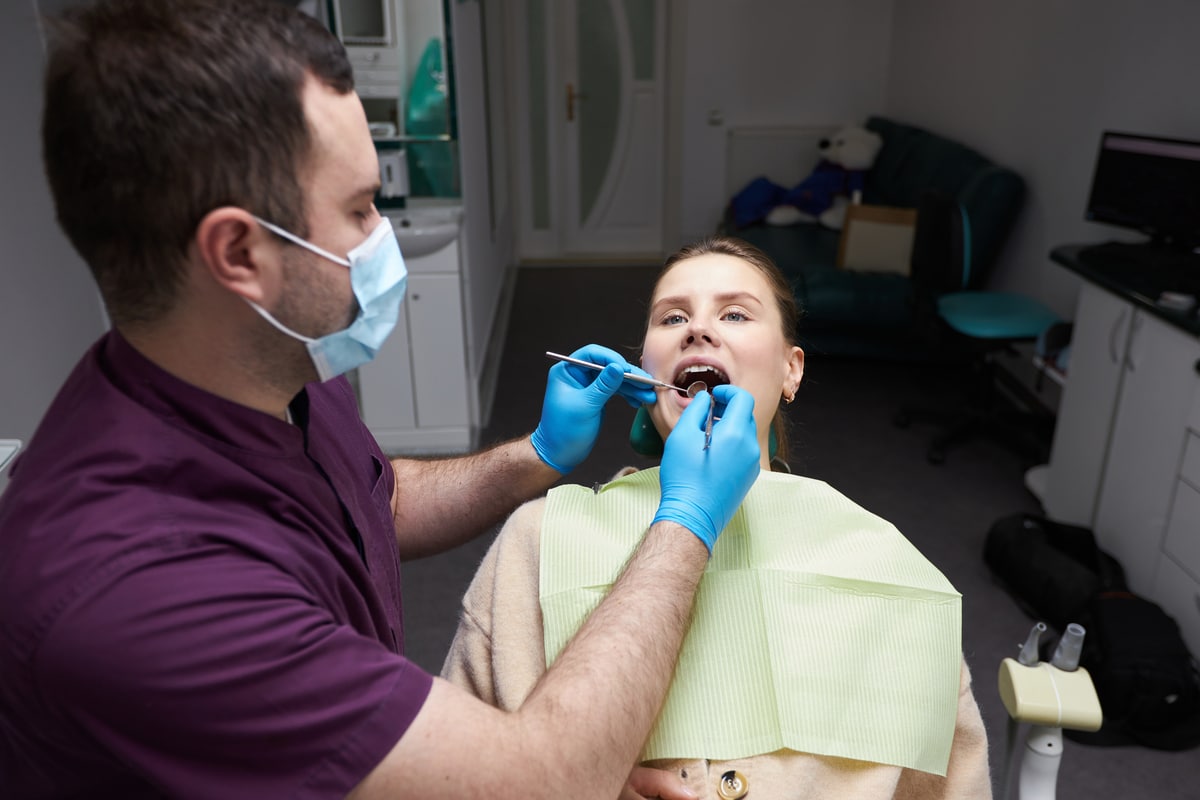
During your appointment, your dentist will examine your teeth and perform any necessary tests or X-rays to determine the extent of the decay. They may also recommend a treatment plan based on the severity of the decay and the overall health of your teeth.
In some cases, early-stage tooth decay can be reversed through proper oral hygiene practices such as brushing twice daily with fluoride toothpaste and flossing regularly. Your dentist may also recommend dietary changes or supplements that can help strengthen your teeth.
If more advanced treatment is required, options may include fillings or root canal therapy. In severe cases where the tooth cannot be saved, extraction may be necessary.
Remember that prevention is always better than cure when it comes to dental health. Regular checkups with your dentist can help catch issues like tooth decay early on and prevent more serious problems down the road.
What to Do if You Are Already Experiencing Tooth Decay
If you are already experiencing tooth decay, the first step is to visit your dentist as soon as possible. Your dentist will examine your teeth and determine the extent of the damage caused by decay. Depending on how severe the damage is, your dentist may suggest filling, root canal treatment or extraction.
If a cavity has formed due to tooth decay, it’s important to have it filled promptly to prevent further progression of decay. Typically, your dentist will remove any damaged or decaying parts of the tooth and fill in any holes with filling material like resin or amalgam.
In more serious cases where there is extensive damage or infection in the pulp tissue inside a tooth, root canal treatment may be required. During this procedure, your dentist will remove infected pulp tissue from within the tooth and replace it with an inert substance before sealing it off with a crown.
If there’s too much damage for repair then unfortunately extraction may be necessary. It’s important that missing teeth are replaced so that other teeth don’t shift into open spaces causing discomfort and alignment issues.
Ultimately prevention is key when dealing with dental problems such as cavities but if you do experience any symptoms associated with Tooth Decay then seek help immediately from professional dentists who can guide you through what needs to be done next in order to treat it effectively!
Conclusion
Tooth decay is a common dental problem that can affect people of all ages. It can cause serious oral health issues if left untreated. However, there are many ways to prevent tooth decay and protect your teeth throughout your life which we have discussed thoroughly here.
Remember that prevention is always better than cure when it comes to maintaining good oral health. By taking proactive steps now to prevent tooth decay, you can enjoy healthy teeth and gums for years to come!
Recent Posts
Aug. 19, 2026
Can A Root Canal Save A Severely Damaged Tooth?

Aug. 12, 2026
Can Cosmetic Dentistry Close Gaps Between Teeth?

Aug. 05, 2026
How Do Family Dentists Treat Tooth Decay?
Jul. 29, 2026
How Does Family Dentistry Support Long-Term Oral Health?

Jul. 22, 2026
Can Cosmetic Dentistry Fix Damaged Teeth and Restore Your Perfect Smile?
Catagories
- Cosmetic Dentistry (36)
- Dental Care (21)
- Dental Crowns (3)
- Dental Emergency (20)
- Dental Health (9)
- Dental Implant (2)
- Dental Sealants (3)
- Dentist (7)
- Dentures (3)
- Endodontic Treatment (4)
- Family Dentistry (1)
- General Dentistry (9)
- Invisalign (12)
- Oral Care (11)
- Pediatric Dentistry (2)
- Pediatric Dentistry (5)
- Restorative Dentistry (1)
- Root Canal Therapy (4)
- Smile Makeover (3)
- Teeth Whitening (1)
- Tooth Extraction (8)
- Uncategorized (0)