
June 29, 2023
Dental Crowns
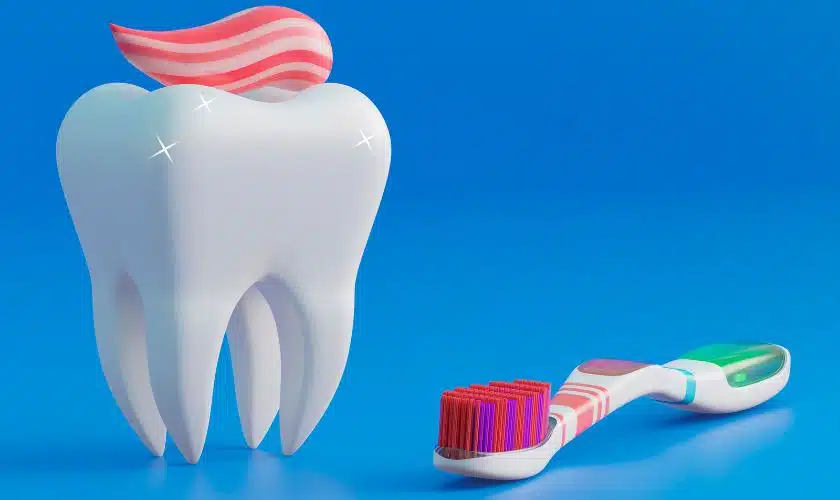
When it comes to maintaining a healthy and beautiful smile, dental crowns play a crucial role. Whether you’ve recently had a crown placed or are considering getting one, it’s important to understand how to properly care for this dental restoration. A dental crown is essentially a cap that covers the entire visible portion of a damaged tooth, restoring its strength, function, and appearance.
But why do we need dental crowns in the first place? Well, teeth can become weak or damaged due to decay, fractures, large fillings, root canal treatment or even natural wear and tear over time. This is where dental crowns come into play – they provide protection and support while ensuring your smile looks as good as new.
In this blog post, we’ll explore different types of dental crowns available today and walk you through the procedure of getting one. We’ll also delve into the importance of caring for your dental crown and provide you with some valuable tips on how to maintain its longevity. So let’s jump right in!
Types of Dental Crowns
When it comes to dental crowns, there are several different types available to suit your specific needs. The most common types of dental crowns include porcelain-fused-to-metal (PFM) crowns, all-ceramic or all-porcelain crowns, and metal crowns.
Porcelain-fused-to-metal (PFM) crowns offer a combination of durability and aesthetics. They have a metal substructure covered with a layer of tooth-colored porcelain, which provides strength while still looking natural. All-ceramic or all-porcelain crowns are an excellent choice for those who prioritize aesthetics. These crowns are made entirely from ceramic material, resulting in a natural-looking restoration that blends seamlessly with the surrounding teeth. Metal crowns, on the other hand, are incredibly durable and often used for molars that bear heavy chewing forces.
It’s important to consult with your dentist to determine which type of crown is best suited for your individual case based on factors such as location in the mouth, personal preferences, and budget constraints.
Procedure for Getting a Dental Crown
Getting a dental crown is a straightforward procedure that usually requires two visits to the dentist. During the first visit, your dentist will examine your tooth and prepare it for the crown by removing any decay or damage. They will then take impressions of your tooth to ensure that the crown fits perfectly.
After this, a temporary crown will be placed on your tooth to protect it while the permanent one is being made in a dental laboratory. This process may take several weeks, during which time you should avoid biting down on hard or sticky foods.
Once the permanent crown is ready, you’ll return for your second appointment. Your dentist will remove the temporary crown and carefully place and adjust the new one to ensure a comfortable fit and natural appearance. With proper care and regular dental check-ups, your dental crown can last for many years, restoring both function and aesthetics to your smile!
The Importance of Caring for Your Dental Crown
Your dental crown is an investment in your oral health, so it’s important to take good care of it. Proper maintenance and regular check-ups can help ensure that your crown lasts for many years to come.
One of the key reasons why caring for your dental crown is essential is because it helps prevent any potential damage or complications. Without proper care, bacteria and plaque can build up around the edges of the crown, leading to decay or gum disease. Regular brushing and flossing, as well as using antimicrobial mouthwash, are crucial steps in maintaining good oral hygiene with a dental crown.
Furthermore, caring for your dental crown also plays a significant role in preserving the appearance of your smile. Staining from food and drinks can occur over time if you neglect cleaning your teeth properly. By following a consistent oral care routine and avoiding habits like smoking or excessive consumption of staining substances like coffee or red wine, you can keep your dental crown looking bright and natural.
Remember that prevention is always better than treatment when it comes to maintaining the integrity of your dental crown. With proper care and attention, you can enjoy a healthy smile while maximizing the lifespan of your restoration.
Tips for Caring for Your Dental Crown
Caring for your dental crown is important to ensure its longevity and maintain good oral health. Here are some tips to help you care for your dental crown:
- Maintain good oral hygiene: Brush your teeth at least twice a day with a soft-bristled toothbrush and fluoride toothpaste. Pay extra attention to the area around the crown to remove plaque and food particles.
- Floss daily: Use dental floss or interdental cleaners to clean between your teeth, including around the crown. Proper flossing helps prevent gum disease and tooth decay.
- Avoid hard and sticky foods: Dental crowns are strong, but they can still be susceptible to damage. Avoid biting down on hard foods like ice, hard candy, or nuts, as they can potentially chip or crack the crown. Also, stay away from sticky or chewy foods that could dislodge the crown.
- Wear a mouthguard for physical activities: If you participate in sports or activities that may put your teeth at risk of injury, such as contact sports or grinding/clenching your teeth, consider wearing a mouthguard. This protective device can help prevent damage to your dental crown and natural teeth.
- Avoid using your teeth as tools: Refrain from using your teeth to open packages, tear tape, or bite on non-food objects. Using your teeth as tools can damage the crown and potentially lead to its dislodgment.
- Schedule regular dental check-ups: Visit your dentist for regular check-ups and professional cleanings. Your dentist can examine your dental crown, assess its condition, and make any necessary adjustments or repairs.
- Be mindful of dental habits: If you have a habit of grinding or clenching your teeth (bruxism), inform your dentist. They may recommend a nightguard to protect your teeth and the dental crown from excessive force.
- Report any issues promptly: If you notice any signs of discomfort, pain, or changes in the fit or appearance of your dental crown, contact your dentist right away. Early intervention can help prevent further damage and ensure timely treatment.
Remember, caring for your dental crown is similar to caring for your natural teeth. Good oral hygiene practices and regular dental visits are essential to maintain the health and longevity of your crown.
Common Problems with Dental Crowns
While dental crowns are generally durable and long-lasting, there can be some common problems that may arise. One issue is the crown becoming loose or falling off completely. This can happen if the cement used to attach the crown wears down over time or if there is decay underneath the crown.
Another problem that patients may experience with dental crowns is sensitivity. Some individuals may notice increased sensitivity to hot or cold temperatures after getting a crown. This could be due to exposed dentin, which can occur when the natural tooth structure is prepared for crown placement.
It’s important to address these issues promptly by contacting your dentist if you encounter any problems with your dental crown. They will be able to assess the situation and provide appropriate treatment to ensure the longevity and functionality of your restoration.
Conclusion
Taking proper care of your dental crown is essential for maintaining its longevity and ensuring optimal oral health. By following the tips and tricks mentioned in this article, you can keep your dental crown looking and functioning its best. By treating your dental crown with care and following these guidelines, you can enjoy a beautiful smile while preserving the functionality and durability of this valuable dental investment.
Remember: prevention is key! With proper maintenance and regular professional care, you can extend the lifespan of your dental crown for many years to come. So take charge of caring for your dental crowns today!
Recent Posts
Aug. 19, 2026
Can A Root Canal Save A Severely Damaged Tooth?

Aug. 12, 2026
Can Cosmetic Dentistry Close Gaps Between Teeth?
Aug. 05, 2026
How Do Family Dentists Treat Tooth Decay?
Jul. 29, 2026
How Does Family Dentistry Support Long-Term Oral Health?

Jul. 22, 2026
Can Cosmetic Dentistry Fix Damaged Teeth and Restore Your Perfect Smile?
Catagories
- Cosmetic Dentistry (36)
- Dental Care (21)
- Dental Crowns (3)
- Dental Emergency (20)
- Dental Health (9)
- Dental Implant (2)
- Dental Sealants (3)
- Dentist (7)
- Dentures (3)
- Endodontic Treatment (4)
- Family Dentistry (1)
- General Dentistry (9)
- Invisalign (12)
- Oral Care (11)
- Pediatric Dentistry (2)
- Pediatric Dentistry (5)
- Restorative Dentistry (1)
- Root Canal Therapy (4)
- Smile Makeover (3)
- Teeth Whitening (1)
- Tooth Extraction (8)
- Uncategorized (0)