

June 5, 2023
Dentures
Are you one of the millions of people who wear dentures? If so, then you know how important they are for your appearance, oral health and overall well-being. Over the years, technology has advanced significantly in the field of dentistry, and this includes advancements in denture technology too! From traditional to implant-supported dentures, there is now a range of options available to meet different needs. In this blog post, we’ll delve into what these advancements are and explore everything you need to know about modern-day dentures. So buckle up and be ready to broaden your knowledge on all things “denture”!
How have Dentures Changed over Time?
Dentures have been around for centuries, dating back to ancient civilizations where people used animal teeth or even gold to replace missing teeth. However, it wasn’t until the 18th century that porcelain dentures were invented. These early versions were bulky and uncomfortable, making eating and speaking difficult.
Fast forward a few decades later, advancements in technology led to the development of acrylic resin as a more lightweight and comfortable alternative material for denture production. This breakthrough made dentures much more accessible to the general public.
In recent years, digital scanning and 3D printing technologies have revolutionized how modern-day dentures are created. These new methods provide greater accuracy when creating molds of patients’ mouths which leads to better-fitting dentures with less adjustment time required.
Another significant advancement is implant-supported dentures which use dental implants as anchors rather than relying on suction or adhesives to stay in place. This has greatly improved comfort levels and stability while chewing.
There have been significant changes in both materials used and manufacturing processes over time that have resulted in more natural-looking and comfortable-to-wear dentures that improve the overall quality of life.
What are the Different Types of Dentures?
Dentures have come a long way over the years, and now there are several different types of dentures available to meet individual needs. The most common types of dentures include complete dentures, partial dentures, immediate dentures, and implant-supported dentures.
Complete Dentures: These are used when all teeth in one or both jaws need replacement. Complete denture sets can be customized for each patient’s specific jaw shape and size.
Partial Denture: This type is used when only some teeth need replacing. It attaches to remaining natural teeth with clasps or connectors.
Immediate Denture: Immediate dentures allow patients to replace missing teeth immediately after extraction while waiting for their permanent set of teeth. These temporary devices can help patients avoid embarrassment while they wait for their gums to heal enough for permanent implants.
Implant-Supported Denture: These are designed to snap onto dental implants that are surgically placed into the jawbone. Implant-supported dentures provide more stability than other options as they’re anchored directly into the bone.
It’s best to consult with your dentist about which type of dental work would be best suited for you based on your particular situation and oral health history.
What are the Benefits of Dentures
Dentures offer several benefits for individuals who have missing teeth or require tooth replacement. Here are some key advantages:
- Restored Functionality: Dentures allow you to regain the ability to bite and chew properly, enabling you to enjoy a wide range of foods that may have been difficult to eat with missing teeth. This helps improve digestion and overall nutrition.
- Enhanced Speech: Missing teeth can affect speech clarity, leading to difficulties in pronunciation. Dentures provide support for the lips, tongue, and cheeks, helping to restore clear speech and confident communication.
- Improved Aesthetics: Dentures fill in the gaps left by missing teeth, enhancing your smile and facial appearance. They are customized to match the natural color, shape, and size of your remaining teeth, creating a natural-looking and attractive smile.
- Boosted Self-Confidence: By restoring a complete smile, dentures can significantly improve self-esteem and confidence. With the ability to smile, speak, and laugh without self-consciousness, you can feel more comfortable and at ease in social and professional settings.
- Facial Structure Support: Missing teeth can cause sagging or changes in facial structure, resulting in a prematurely aged appearance. Dentures help support the facial muscles and maintain the natural shape of your face, preventing the sunken-in look associated with tooth loss.
- Customizable Solutions: Dentures are available in various types to suit individual needs. Whether you need partial dentures to replace a few missing teeth or complete dentures for full arch restoration, they can be customized to fit comfortably and function effectively.
- Cost-Effective Option: Compared to some other tooth replacement options, dentures are often more affordable. They provide a practical solution for individuals seeking an effective and budget-friendly way to replace missing teeth.
- Non-Invasive and Reversible: Dentures are non-surgical and non-invasive, making them a reversible option for tooth replacement. If necessary, adjustments or modifications can be made easily to ensure a comfortable fit and optimal function.
It’s important to consult with a dental professional to determine if dentures are the best solution for your specific dental needs. They can guide you through the process, provide personalized recommendations, and help you achieve a restored smile and improved oral health.
How to Care for Your Dentures
Proper care for your dentures is essential to ensure their longevity and functionality. Here are some tips on how to take good care of your dentures:
1. It’s important to clean your dentures daily. You can use a soft-bristled brush with soap or mild detergent and warm water to remove food particles, plaque, and stains.
2. Remember to rinse your dentures thoroughly after meals or snacks. This helps prevent the buildup of bacteria which may lead to bad breath or infections.
3. Avoid using abrasive materials such as hard-bristled brushes or toothpaste that can scratch the surface of your dentures. These scratches can harbor bacteria and make them more difficult to clean in the future.
4. store your dentures in water when they’re not being worn as this prevents them from drying out and becoming warped.
Visit your dentist regularly for check-ups and adjustments if necessary. Your dental professional will be able to detect any issues early on before they become bigger problems that require costly repairs.
By following these simple steps, you’ll be able to keep your dentures looking great while ensuring their optimal function for years ahead!
Conclusion
The advancements in denture technology have made it possible for individuals to enjoy a better quality of life. With various types of dentures available on the market, patients can choose the best option that suits their needs and budget. Dentures not only improve oral function but also boost self-confidence. However, it’s important to remember that proper care and maintenance are crucial for ensuring the longevity and effectiveness of your dentures. Regular check-ups with your dentist will help identify any issues early on and prevent further complications.
If you’re considering getting dentures or are currently using them, make sure you stay up-to-date with the latest developments in dental technology. By doing so, you’ll be able to take advantage of all the benefits that modern-day dentistry has to offer!
Recent Posts
Aug. 19, 2026
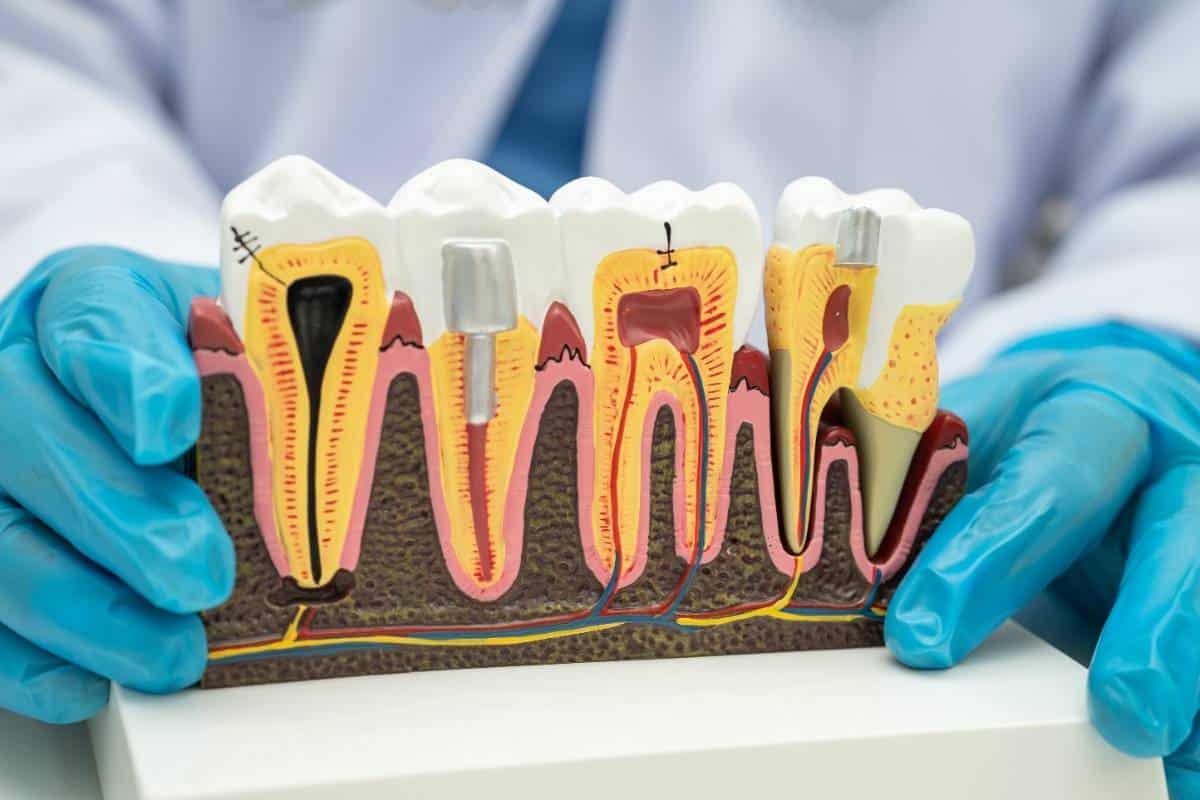
Can A Root Canal Save A Severely Damaged Tooth?
Aug. 12, 2026
Can Cosmetic Dentistry Close Gaps Between Teeth?
Aug. 05, 2026
How Do Family Dentists Treat Tooth Decay?
Jul. 29, 2026
How Does Family Dentistry Support Long-Term Oral Health?

Jul. 22, 2026
Can Cosmetic Dentistry Fix Damaged Teeth and Restore Your Perfect Smile?
Catagories
- Cosmetic Dentistry (36)
- Dental Care (21)
- Dental Crowns (3)
- Dental Emergency (20)
- Dental Health (9)
- Dental Implant (2)
- Dental Sealants (3)
- Dentist (7)
- Dentures (3)
- Endodontic Treatment (4)
- Family Dentistry (1)
- General Dentistry (9)
- Invisalign (12)
- Oral Care (11)
- Pediatric Dentistry (2)
- Pediatric Dentistry (5)
- Restorative Dentistry (1)
- Root Canal Therapy (4)
- Smile Makeover (3)
- Teeth Whitening (1)
- Tooth Extraction (8)
- Uncategorized (0)