

April 11, 2023
Dental Health
Have you ever experienced a sharp pain in your teeth when biting into something hard or cold? It could be due to cracked teeth, a common dental problem that affects millions worldwide. Cracked teeth can lead to discomfort, sensitivity, and even infections if left untreated. In this blog post, we will discuss everything you need to know about cracked teeth – from their causes and symptoms to diagnosis, treatment options, and prevention measures. So sit back, relax, and let’s dive into the world of cracked teeth!
What are Cracked Teeth?
Cracked teeth are a common dental issue that can cause pain and discomfort to individuals. A cracked tooth means that there is a split or fracture in the enamel, which is the hard outer layer of the tooth. Cracks can occur for a variety of reasons including biting down on something hard, trauma to the mouth, grinding teeth at night, and even natural wear and tear.
The severity of a crack can vary depending on how deep it goes into the tooth. Some cracks may only affect the surface level while others may extend all the way to the root. Regardless of severity, any crack should be taken seriously as it can lead to more significant problems if left untreated.
Cracks in teeth may not always be visible by just looking in your mouth. Oftentimes they are discovered during routine dental exams where X-rays will reveal them before symptoms start appearing. However, some cracks might show signs such as sensitivity to hot or cold temperatures or pain when chewing food.
If you suspect you have a cracked tooth, it’s important to visit your dentist right away so that they can properly diagnose and treat any issues before they become worse.
Causes of Cracked Teeth
Cracked teeth are a common dental issue that can occur due to various reasons. The most common cause of cracked teeth is trauma or injury, such as a fall or accident. Biting down on hard objects like ice, popcorn kernels, and hard candy can also lead to cracks in teeth.
Teeth that have undergone extensive dental work like fillings or root canals are more prone to cracking. This is because the tooth’s structure may be weakened after these procedures. Additionally, grinding or clenching of teeth (bruxism) places immense pressure on them and can cause cracks over time.
Age-related wear and tear is another factor that contributes to the development of cracked teeth. As we age, our enamel becomes weaker and more susceptible to damage from everyday activities like chewing food.
Poor oral hygiene practices such as infrequent brushing and flossing increase the risk of developing cavities that weaken the tooth’s structure leading to potential fractures.
There are various causes of cracked teeth ranging from external injuries to internal factors like bruxism and poor oral hygiene habits. Understanding these causes helps individuals take proactive steps towards prevention and treatment options for this common dental problem.
Symptoms of Cracked Teeth
Cracked teeth can be difficult to identify because the symptoms vary from person to person. However, there are a few common signs that people should look out for.
One of the most obvious symptoms is pain when biting or chewing. This can range from mild discomfort to severe pain depending on the severity of the crack in the tooth.
Another symptom is sensitivity to hot and cold temperatures, especially if the tooth was not previously sensitive. The crack in the tooth allows temperature changes to affect it more severely than before.
In some cases, cracked teeth may cause swelling and tenderness around the affected area due to inflammation caused by infection. This is an indication that immediate medical attention is needed as untreated infections can lead to serious complications.
Moreover, cracks in teeth may also result in sudden and unexplained headaches or migraines since they put pressure on nerves located near them.
A visible fracture line or chip on a tooth surface could indicate a cracked tooth; however this may only be noticeable through dental x-rays during check-ups with your dentist.
It’s important for individuals experiencing any of these symptoms to seek dental care promptly as early diagnosis and treatment will help prevent further damage and costly procedures later down the road.
Diagnosis of Cracked Teeth
Diagnosing a cracked tooth can be challenging, as the symptoms may not always be obvious. Often, they are only detected through routine dental check-ups or when seeking treatment for another dental problem.
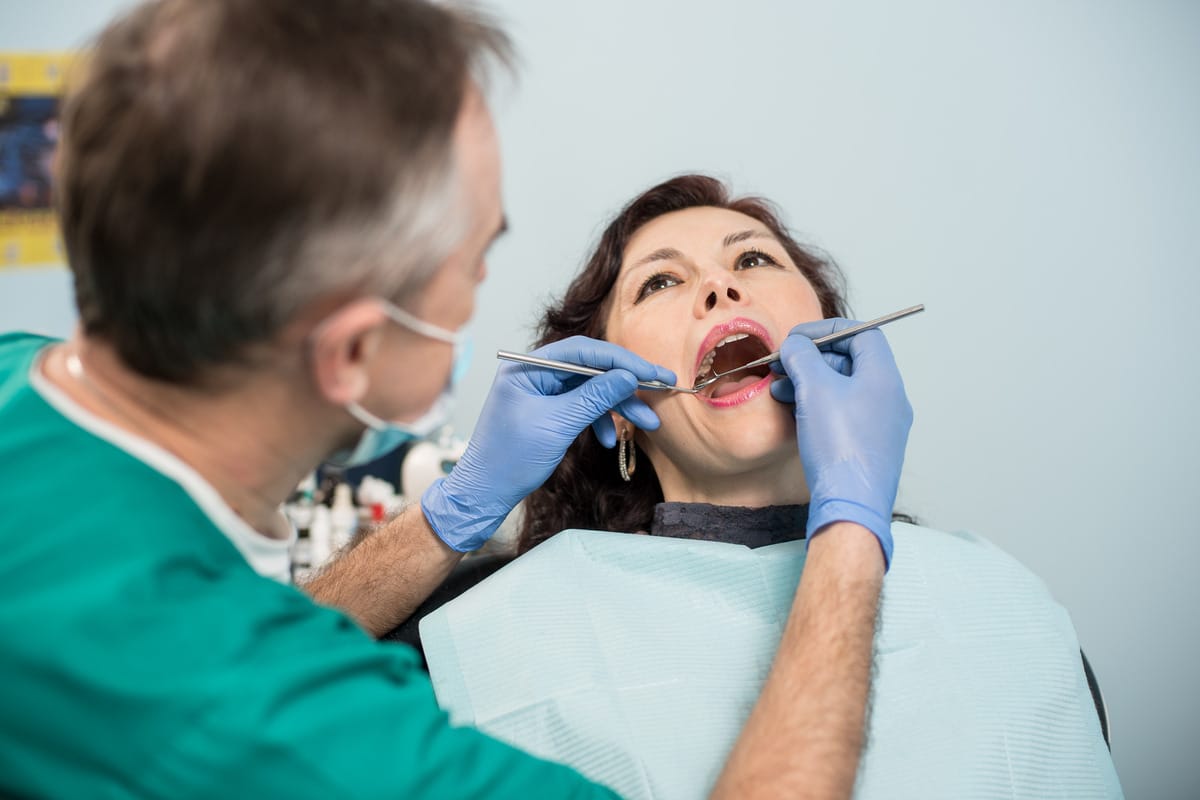
During an examination, your dentist will visually inspect your teeth and take X-rays to assess any damage that may not be visible to the naked eye. They may also use a special tool called a bite stick to identify any cracks or fractures in the tooth by applying pressure to different areas of the tooth.
In some cases, your dentist may recommend further testing such as transillumination (using light to highlight cracks) or magnification with dental loupes or microscopes.
If you’re experiencing pain or discomfort when biting down or chewing, it’s important to make an appointment with your dentist right away. Delaying treatment could lead to further damage and potentially more expensive procedures down the line.
Remember that prevention is key – visit your dentist regularly for routine check-ups and practice good oral hygiene habits at home.
Treatment of Cracked Teeth
The treatment of cracked teeth depends on the severity and location of the crack. In some cases, a simple filling or bonding may be enough to repair a small crack. However, if the crack is deep or extends into the root of the tooth, more extensive treatment may be necessary.
For cracks that have reached the nerve of the tooth, a root canal may be required to remove damaged tissue and prevent infection. A crown or cap may also be placed over the tooth to provide additional protection and support.
In cases where a large portion of the tooth has been lost due to cracking, extraction may be necessary. This would then require replacement with an implant or bridge.
It’s important to seek prompt treatment for cracked teeth as they can worsen over time without proper care. Your dentist will evaluate your unique situation and recommend an appropriate course of action for your individual needs.
Prevention is key in avoiding cracked teeth, but if you do experience one it’s important not to ignore it – seeking immediate professional care can save you from further damage down the road.
Prevention of Cracked Teeth
Preventing cracked teeth is an important aspect of maintaining good oral health. Here are some tips on how to prevent them:
1. Avoid chewing hard objects: Chewing pens, pencils or even ice can cause cracks in your teeth. It’s better to avoid these habits altogether.
2. Wear a mouthguard: If you play sports or engage in activities that could result in trauma to your teeth, it’s essential to wear a mouthguard.
3. Practice proper dental hygiene: Brushing and flossing regularly will help keep your teeth healthy and strong, reducing the risk of cracks caused by decay.
4. Don’t grind your teeth: Teeth grinding can lead to weakened tooth enamel and eventual cracking of the tooth.
5. Get regular check-ups with your dentist: Regular visits to the dentist will allow him/her to identify any potential problems before they become more severe.
By following these simple steps, you can significantly reduce the likelihood of developing cracked teeth and maintain excellent oral health for years to come!
Conclusion
Cracked teeth can be a painful and frustrating issue to deal with. However, with proper diagnosis and treatment, you can alleviate the pain and avoid further damage to your teeth. It is essential to take care of your oral health by practicing good dental hygiene habits such as brushing twice daily, flossing regularly, and scheduling routine dental check-ups.
If you suspect that you have a cracked tooth or are experiencing any symptoms mentioned above, don’t hesitate to contact your dentist immediately for an examination. Remember that prevention is better than cure; thus, it’s crucial to protect your teeth from injury by wearing protective gear during sports activities or using a mouthguard at night if you clench or grind your teeth.
By following the prevention tips discussed in this article and seeking prompt treatment when necessary, you can keep your smile healthy for years to come.
Recent Posts
Apr. 27, 2026
Can A Family Dentist Perform Root Canals and Tooth Extractions?

Apr. 20, 2026
Emergency Dental Care For Kids and Adults: What You Need To Know?

Apr. 13, 2026
Can A Cosmetic Dentist Improve Both Perfect Smile and Bad Breath?

Apr. 06, 2026
Can Invisalign Wear Cause Bad Breath?
Mar. 25, 2026
Tips To Prevent Getting A Root Canal
Catagories
- Cosmetic Dentistry (33)
- Dental Care (21)
- Dental Crowns (3)
- Dental Emergency (17)
- Dental Health (9)
- Dental Implant (2)
- Dental Sealants (3)
- Dentist (6)
- Dentures (3)
- Endodontic Treatment (3)
- General Dentistry (6)
- Invisalign (12)
- Oral Care (11)
- Pediatric Dentistry (2)
- Pediatric Dentistry (5)
- Root Canal Therapy (4)
- Smile Makeover (3)
- Teeth Whitening (1)
- Tooth Extraction (8)
- Uncategorized (0)