

April 16, 2024
Oral Care
Good oral hygiene is essential for overall health and well-being. Not only does it help to keep your teeth and gums healthy, but it can also help to reduce your risk of developing serious health conditions, such as heart disease. In this blog, we’ll explore the connection between poor oral hygiene and heart disease, and how to maintain good oral hygiene to reduce your risk of developing heart disease.
The Connection Between Poor Oral Hygiene and Heart Disease
Poor oral hygiene can increase your risk of developing heart disease. This is because the bacteria that cause gum disease can enter your bloodstream and travel to your heart, where they can cause inflammation and damage to your heart and blood vessels. This can lead to an increased risk of stroke, heart attack, and other cardiovascular diseases.
How Poor Oral Hygiene Can Lead to Heart Disease
Poor oral hygiene can lead to gum disease, which is an infection of the gums caused by bacteria. When the bacteria enter your bloodstream, they can travel to your heart and cause inflammation and damage to your heart and blood vessels. This can lead to an increased risk of stroke, heart attack, and other cardiovascular diseases.
Symptoms of Poor Oral Hygiene
Poor oral hygiene can lead to a number of symptoms, including bad breath, swollen and bleeding gums, and receding gums. If you experience any of these symptoms, it’s important to visit your dentist as soon as possible to get treatment.
How to Maintain Good Oral Hygiene
Maintaining good oral hygiene is essential for reducing your risk of developing heart disease. Here are some tips for maintaining good oral hygiene:
- Brush your teeth twice a day with a fluoride toothpaste.
- Floss your teeth at least once a day.
- Use an antibacterial mouthwash to help reduce bacteria in your mouth.
- Visit your dentist regularly for check-ups and cleanings.
- Avoid smoking and drinking alcohol.
The Importance of Good Oral Hygiene
Good oral hygiene is essential for overall health and well-being. Not only does it help to keep your teeth and gums healthy, but it can also help to reduce your risk of developing serious health conditions, such as heart disease. By maintaining good oral hygiene, you can reduce your risk of developing heart disease and other serious health conditions.
Benefits of Good Oral Hygiene
Good oral hygiene can provide a number of benefits, including:
- Reduced risk of gum disease
- Reduced risk of tooth decay
- Reduced risk of bad breath
- Reduced risk of heart disease
- Improved overall health and wellbeing
How to Maintain Good Oral Hygiene
Maintaining good oral hygiene is essential for reducing your risk of developing heart disease. Here are some tips for maintaining good oral hygiene:
- Brush your teeth twice a day with a fluoride toothpaste.
- Floss your teeth at least once a day.
- Use an antibacterial mouthwash to help reduce bacteria in your mouth.
- Visit your dentist regularly for check-ups and cleanings.
- Avoid smoking and drinking alcohol.
When to See a Dentist
If you experience any symptoms of poor oral hygiene, such as bad breath, swollen and bleeding gums, or receding gums, it’s important to visit your dentist as soon as possible to get treatment. Your dentist can help diagnose and treat any underlying issues and can provide advice on how to maintain good oral hygiene.
The Bottom Line
Poor oral hygiene can be a sign of heart disease. By maintaining good oral hygiene, you can reduce your risk of developing heart disease and other serious health conditions. It’s important to brush your teeth twice a day with fluoride toothpaste, floss your teeth at least once a day, use an antibacterial mouthwash, and visit your dentist regularly for check-ups and cleanings. If you experience any symptoms of poor oral hygiene, it’s important to visit your dentist as soon as possible to get treatment.
Recent Posts
Aug. 19, 2026
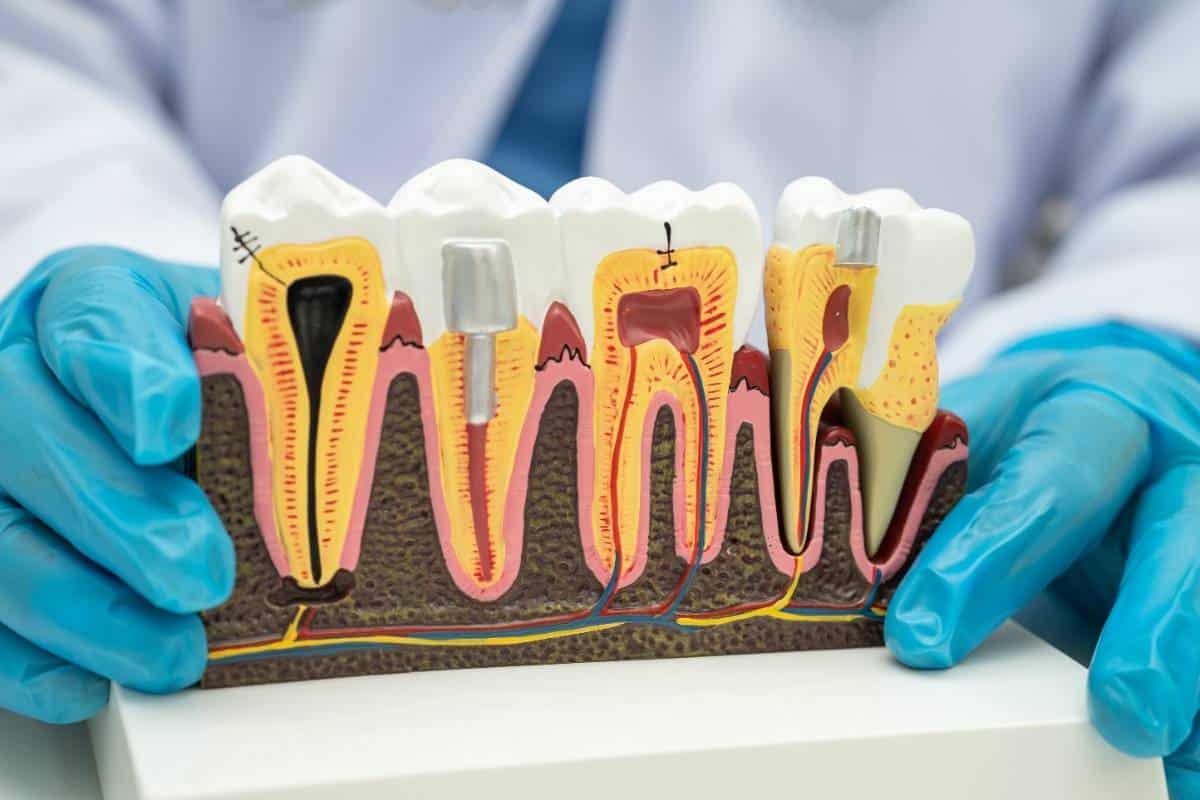
Can A Root Canal Save A Severely Damaged Tooth?

Aug. 12, 2026
Can Cosmetic Dentistry Close Gaps Between Teeth?
Aug. 05, 2026
How Do Family Dentists Treat Tooth Decay?
Jul. 29, 2026
How Does Family Dentistry Support Long-Term Oral Health?

Jul. 22, 2026
Can Cosmetic Dentistry Fix Damaged Teeth and Restore Your Perfect Smile?
Catagories
- Cosmetic Dentistry (36)
- Dental Care (21)
- Dental Crowns (3)
- Dental Emergency (20)
- Dental Health (9)
- Dental Implant (2)
- Dental Sealants (3)
- Dentist (7)
- Dentures (3)
- Endodontic Treatment (4)
- Family Dentistry (1)
- General Dentistry (9)
- Invisalign (12)
- Oral Care (11)
- Pediatric Dentistry (2)
- Pediatric Dentistry (5)
- Restorative Dentistry (1)
- Root Canal Therapy (4)
- Smile Makeover (3)
- Teeth Whitening (1)
- Tooth Extraction (8)
- Uncategorized (0)