
January 19, 2023
Dental Implant
Introduction
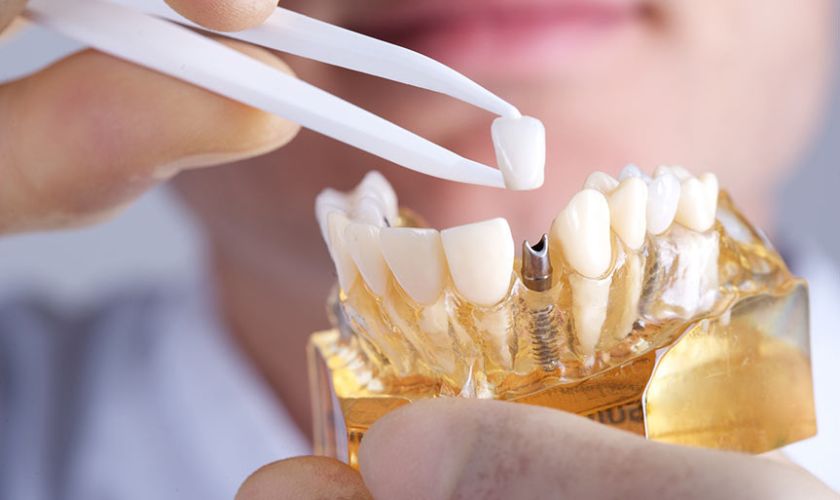
Dental implant surgery is an effective way to replace missing teeth and improve oral health. It is a safe procedure that provides a permanent solution for the patient; however, there are 5 common complications associated with dental implant surgery. Understanding these risks and the solutions available can help people make informed decisions about their dental care.
- Infection: One of the most common complications of implant surgery is infection. This can occur if bacteria gets into the surgical site, which can lead to inflammation and pain. To reduce the risk of infection, it’s important for patients to practice good oral hygiene before and after surgery as well as take antibiotics as prescribed by their dentist.
- Nerve Damage: If the implant is placed too close to a nerve, it can cause temporary or permanent damage to the nerve. To reduce the risk of nerve damage, dentists will take x-rays and scans before surgery to ensure that the implant will not interfere with any nerves in the area.
- Implant Failure: If the implant is not placed properly, or if there is too much pressure on the implant, it can fail. The most common cause of implant failure is when the bone surrounding the implant fails to fuse to the dental implant. To reduce this risk, dentists should make sure that there is enough healthy bone for the implant to fuse with before placing it.
- Excessive Bleeding: If the implant is placed too deeply, the patient may experience excessive bleeding during the procedure. To reduce this risk, dentists should use techniques such as laser technology to control bleeding and ensure that the implant is in the correct position before placing it.
- Gum Recession: If the implant is placed too close to the gum line, it can cause gum recession. To prevent this, dentists should ensure that there is enough space between the implant and the gum line before placing it.
Conclusion
Dental implant surgery can be an effective way to replace missing teeth and improve oral health; however, it is important to understand the risks associated with it. The most common complications of implant surgery include infection, nerve damage, implant failure, excessive bleeding, and gum recession. By understanding these risks and taking steps to reduce them, people can make informed decisions about their dental care.
Recent Posts
Aug. 19, 2026
Can A Root Canal Save A Severely Damaged Tooth?

Aug. 12, 2026
Can Cosmetic Dentistry Close Gaps Between Teeth?

Aug. 05, 2026
How Do Family Dentists Treat Tooth Decay?

Jul. 29, 2026
How Does Family Dentistry Support Long-Term Oral Health?

Jul. 22, 2026
Can Cosmetic Dentistry Fix Damaged Teeth and Restore Your Perfect Smile?
Catagories
- Cosmetic Dentistry (36)
- Dental Care (21)
- Dental Crowns (3)
- Dental Emergency (20)
- Dental Health (9)
- Dental Implant (2)
- Dental Sealants (3)
- Dentist (7)
- Dentures (3)
- Endodontic Treatment (4)
- Family Dentistry (1)
- General Dentistry (9)
- Invisalign (12)
- Oral Care (11)
- Pediatric Dentistry (5)
- Pediatric Dentistry (2)
- Restorative Dentistry (1)
- Root Canal Therapy (4)
- Smile Makeover (3)
- Teeth Whitening (1)
- Tooth Extraction (8)
- Uncategorized (0)