
DENTAL CARE
Not caring for your mouth can lead to many dental problems: bad breath, gum disease, cavities, sensitivity, and even tooth loss. But the good news is these issues are preventable.
For optimal dental health, adopt these good habits. Here are six dental health facts you should know.
Healthy Lifestyles Make Healthy Smiles
Research from the Journal of Periodontology suggests that regular exercise and a healthy diet reduce the risk of developing gum disease. A poor diet filled with sugary foods and liquids can lead to cavities.

Good Oral Hygiene Takes Time
A white smile doesn't happen overnight. Several small, positive changes in your routine will support this gradual process. Plaque, the sticky film of bacteria that constantly forms at the gum line and on your teeth, can take time to remove. Brush your teeth for 2 to 3 minutes twice daily.
Use a timer to ensure you spend enough time brushing, or play a song of the same length to encourage everyone in the house to do the same. Use interdental tools, such as floss, to reach areas your toothbrush can't, and use them at least once daily before bedtime. Finish your routine by rinsing with mouthwash as directed on the label to help keep your teeth and gums healthy.
Proper Technique with the Proper Products
Toothbrushes come in many shapes and sizes, but choose one that fits comfortably in your mouth. Correct brushing technique means placing the toothbrush at a 45-degree angle toward your gum line and gently moving the bristles back and forth in short strokes. Brush the outer, inner, and biting surfaces of all your teeth. Brush your tongue as well, or use a tongue cleaner to remove bacteria.
The Colgate® 360°® toothbrush makes it easy with a convenient tongue cleaner attached to the back. Consider portable toothbrushes, such as the Colgate Wisp®, when you have to keep your teeth clean on the go. Toothpaste comes in a variety of active ingredients that can help protect you from specific dental problems, such as cavities, gum disease, bad breath, tartar buildup, stains, or sensitivity.
Mouthwash can be an additional aid to a healthy mouth, but it does not replace daily brushing and flossing. Like toothpaste, it comes in a variety of active ingredients, such as fluoride to protect teeth and antimicrobials to reduce plaque and gingivitis. Consult with Hurd Family Dental to determine which products are right for you.

The Importance of Floss
Don't skimp on the floss. Use a long piece, about an arm's length, with enough grip to reach the spaces between every tooth, front and back. Wind up most of the floss around the middle finger of one hand and the rest around the middle finger of the other.
Use your thumbs and index fingers to grip the floss, and gently slide it between each tooth down to the gum line. Move the floss up an down against the tooth before moving to the next area. As you move from one tooth to the next, unroll and grip a fresh section of floss to avoid redepositing plaque.
If you find it difficult to use floss, don't skip cleaning between your teeth altogether. You can use other tools, such as a floss holder, wooden sticks, plastic picks, and small interdental brushes.
Start Healthy Habits Early
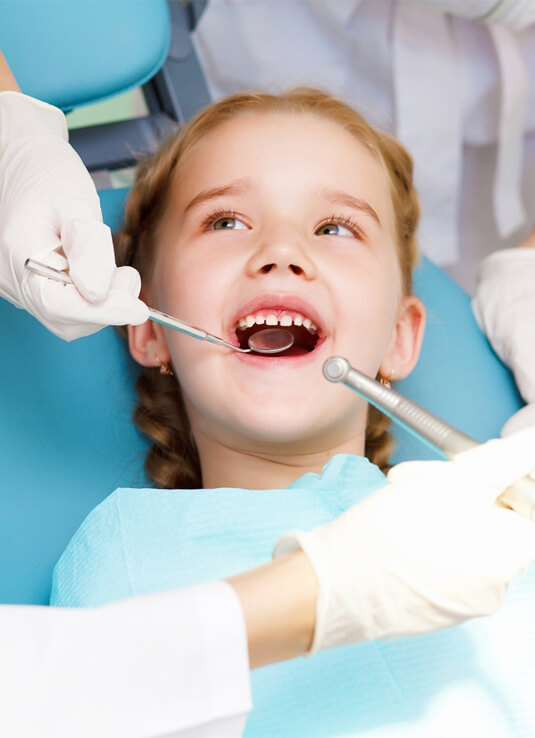
As soon as your child's baby teeth appear, they're at risk of cavities (dental caries). Cavity-causing bacteria can transfer to a baby's mouth from a parent, often through shared spoons or a shared toothbrush. Just as cavities can distract you from work, they can make it difficult for children to pay attention in school.
So look after your child's teeth as if they're your own. A soft, age-appropriate toothbrush helps them get off to a healthy start. They'll need help, though, so keep brushing your child's teeth until you're confident they can brush without you. You'll probably recognize this transition around age 7 or 8.
See Dental Experts Regularly
Read Our Patient Reviews & Testimonials



Chris Mattix

Verda Green

Kevin Greer