
June 17, 2026
Cosmetic Dentistry
Have you ever looked at a celebrity’s smile and wondered how their teeth appear so bright, symmetrical, and flawless?
You’re not alone.
A beautiful smile is one of the first things people notice. According to the American Academy of Cosmetic Dentistry (AACD), 48% of adults say a smile is the most memorable feature after meeting someone for the first time. Additionally, studies conducted by the AACD have found that approximately 99.7% of adults believe a smile is an important social asset.
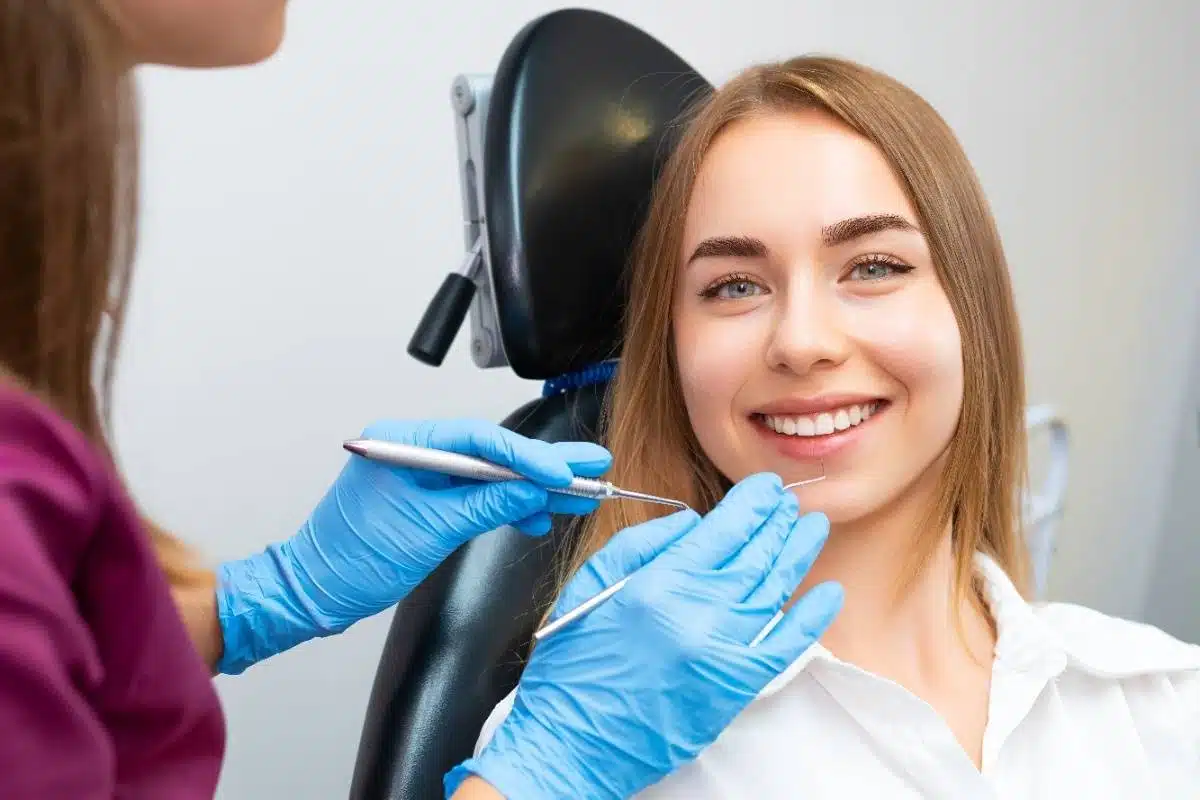
As cosmetic dentistry continues to grow in popularity across the United States, two treatments consistently stand out: professional teeth whitening and porcelain veneers. Both can dramatically improve your smile, but they achieve different goals and are designed for different types of patients.
If you’re considering a smile makeover, understanding the differences between teeth whitening and veneers can help you make an informed decision that aligns with your budget, cosmetic goals, and long-term oral health needs.
In this guide, we’ll compare teeth whitening and veneers, discuss their benefits and limitations, review treatment costs and longevity, and help local patients determine which smile upgrade may be right for them.
Why Smile Appearance Matters
The appearance of your smile affects more than aesthetics.
Research published in the Journal of Clinical and Diagnostic Research suggests that attractive smiles can positively influence perceptions of:
- Confidence
- Professionalism
- Friendliness
- Social success
A healthy, attractive smile can also encourage individuals to maintain better oral hygiene habits and seek preventive dental care.
With modern cosmetic dentistry, achieving a brighter smile is more accessible than ever.
What Is Professional Teeth Whitening?
Professional teeth whitening is a cosmetic dental procedure designed to lighten tooth discoloration and remove stains from enamel.
Unlike over-the-counter whitening products, professional treatments use stronger whitening agents and are administered under dental supervision.
Common whitening methods include:
- In-office whitening
- Take-home professional whitening kits
- Combination whitening programs
Most whitening systems use:
- Hydrogen peroxide
- Carbamide peroxide
These ingredients penetrate enamel and break down stain molecules.
Why Do Teeth Become Discolored?
Tooth discoloration occurs for many reasons.
Common causes include:
Aging
The National Institute of Dental and Craniofacial Research (NIDCR) notes that enamel naturally thins over time, making the darker underlying dentin more visible.
Foods and Beverages
Frequent consumption of:
- Coffee
- Tea
- Red wine
- Soda
- Berries
Can contribute to staining.
Tobacco Use
Smoking and chewing tobacco are major causes of discoloration.
Medications
Certain antibiotics and medical treatments may affect tooth color.
Benefits of Professional Teeth Whitening
Teeth whitening remains one of the most requested cosmetic dental procedures in the United States.
- Fast Results: Many in-office whitening treatments can brighten teeth several shades in a single appointment.
- Non-Invasive: Whitening does not require the removal of healthy tooth structure.
- Affordable: Compared to veneers, whitening is generally much less expensive.
- Natural Appearance: The treatment enhances your existing teeth rather than changing their shape.
Research published in the Journal of Dentistry demonstrates that professional whitening can effectively improve tooth color and patient satisfaction.
Limitations of Teeth Whitening
Although highly effective for many patients, whitening has limitations.
It Does Not Change Tooth Shape
Whitening only affects color.
It cannot repair:
- Chips
- Cracks
- Uneven teeth
- Gaps
Results Are Temporary
Most whitening results last between:
- 6 months
- 2 years
Depending on lifestyle habits.
Certain Stains May Not Respond
Intrinsic stains caused by trauma, medications, or developmental issues may be resistant to whitening treatment.
What Are Porcelain Veneers?
Porcelain veneers are thin, custom-made shells bonded to the front surfaces of teeth.
They are designed to improve:
- Color
- Shape
- Size
- Alignment
- Symmetry
Veneers are among the most versatile cosmetic dental treatments available.
According to the AACD, veneers remain among the most popular smile makeover procedures in modern cosmetic dentistry.
What Problems Can Veneers Correct?
Unlike whitening, veneers address multiple cosmetic concerns simultaneously.
They can improve:
- Tooth Discoloration: Including stains that do not respond to whitening.
- Chipped Teeth: Minor fractures can often be concealed.
- Gaps Between Teeth: Small spaces may be closed cosmetically.
- Uneven Teeth: Veneers create a more balanced smile.
- Worn Enamel: They restore appearance and protection.
- Mild Alignment Issues: Some minor cosmetic misalignment can be visually corrected.
Benefits of Porcelain Veneers
- Dramatic Smile Transformation: Veneers can completely redesign a smile.
- Long-Lasting Results: Research published in the Journal of Prosthetic Dentistry reports 10-year survival rates exceeding 90% for many veneer cases.
- Stain Resistance: High-quality porcelain resists staining better than natural enamel.
- Natural Appearance: Modern ceramic materials closely mimic the appearance of natural teeth.
- Customized Design: Every veneer is individually fabricated for optimal aesthetics.
Limitations of Veneers
Despite their advantages, veneers are not ideal for everyone.
- Higher Cost: Veneers require a greater financial investment than whitening.
- Irreversible Procedure: Some enamel removal is typically required.
- Potential Replacement: Although durable, veneers may eventually require replacement.
- Not Appropriate for Severe Bite Problems: Orthodontic treatment may be recommended first in certain cases.
Teeth Whitening vs. Veneers: Side-by-Side Comparison
| Feature | Teeth Whitening | Veneers |
| Improves Color | Yes | Yes |
| Fixes Chips | No | Yes |
| Closes Small Gaps | No | Yes |
| Changes Tooth Shape | No | Yes |
| Corrects Mild Misalignment | No | Sometimes |
| Procedure Invasive | Minimal | Moderate |
| Cost | Lower | Higher |
| Longevity | Months to Years | 10–15+ Years |
| Enamel Removal | No | Usually Yes |
Understanding these differences helps patients choose the treatment that best matches their goals.
Who Is a Good Candidate for Teeth Whitening?
Professional whitening may be ideal if you have:
- Healthy teeth
- Healthy gums
- Surface stains
- Yellow discoloration
- Good enamel quality
Patients seeking a brighter smile without structural changes often achieve excellent results through whitening alone.
Who Is a Good Candidate for Veneers?
Veneers may be better suited for patients with:
- Deep discoloration
- Chipped teeth
- Uneven tooth shapes
- Small gaps
- Worn enamel
- Multiple cosmetic concerns
A comprehensive cosmetic consultation helps determine eligibility.
What Do Patients Usually Choose?
The answer depends on individual goals.
Whitening Is Often Chosen For:
- Quick smile enhancement
- Budget-conscious improvements
- Mild discoloration
Veneers Are Often Chosen For:
- Comprehensive smile makeovers
- Long-term aesthetic changes
- Multiple cosmetic issues
Many patients begin with whitening and later consider veneers if further improvement is desired.
Can Teeth Whitening and Veneers Be Combined?
Yes.
Many cosmetic dentists combine treatments.
For example:
- Whitening may be performed on natural teeth.
- Veneers are then color-matched to the brighter shade.
This approach can create highly natural and balanced results.
Longevity Comparison
Teeth Whitening
Results commonly last:
- 6 months to 2 years
Maintenance treatments may be necessary.
Veneers
Research published in the Journal of Prosthetic Dentistry indicates that many veneers remain successful for:
- 10–15 years
- Often longer with proper care
This durability contributes to their popularity among cosmetic dentistry patients.
Oral Health Considerations
Neither whitening nor veneers should replace necessary dental treatment.
Before cosmetic procedures, dentists evaluate:
- Cavities
- Gum disease
- Bite issues
- Existing restorations
Addressing oral health concerns first helps ensure long-term success.
The American Dental Association (ADA) emphasizes that cosmetic treatment should be built upon a healthy oral foundation.
Choosing the Right Smile Upgrade
When deciding between whitening and veneers, ask yourself:
Are You Mainly Concerned About Color?
Whitening may be sufficient.
Do You Want to Improve Shape and Symmetry Too?
Veneers may offer a better solution.
Are You Looking for a Conservative Approach?
Whitening preserves natural tooth structure.
Do You Want a Complete Smile Makeover?
Veneers provide more comprehensive cosmetic changes.
A consultation with a cosmetic dentist in Lee’s Summit can help identify the best option for your goals.
Conclusion
Both teeth whitening and porcelain veneers can dramatically enhance your smile, but they serve different purposes. Professional whitening is an affordable, non-invasive option for patients who primarily want brighter teeth and have otherwise healthy smiles. Veneers, on the other hand, offer a more comprehensive cosmetic solution that can correct discoloration, chips, gaps, uneven teeth, and other aesthetic concerns.
There is no universal answer to which treatment is better. The right choice depends on your oral health, cosmetic goals, budget, and expectations. Many patients achieve outstanding results with whitening alone, while others benefit from the transformative power of veneers.
If you’re considering a smile upgrade, scheduling a consultation with a local cosmetic dentist can help you explore your options and create a personalized treatment plan that delivers long-lasting confidence and beautiful results.
Frequently Asked Questions
- Do veneers look more natural than teeth whitening?
Both can look natural. Whitening enhances your existing teeth, while modern porcelain veneers are custom-designed to mimic natural enamel.
- How long does professional teeth whitening last?
Results typically last between 6 months and 2 years, depending on diet, oral hygiene, and lifestyle habits.
- Can veneers whiten stained teeth permanently?
Veneers cover stained teeth and resist future discoloration, making them an excellent option for stubborn stains.
- Are veneers better than whitening?
Not necessarily. Whitening is ideal for color improvement, while veneers address multiple cosmetic concerns beyond discoloration.
- Can I whiten my teeth after getting veneers?
Whitening products do not change the color of porcelain veneers. Any whitening should generally be completed before veneers are placed.
Recent Posts
Aug. 19, 2026
Can A Root Canal Save A Severely Damaged Tooth?
Aug. 12, 2026
Can Cosmetic Dentistry Close Gaps Between Teeth?
Aug. 05, 2026
How Do Family Dentists Treat Tooth Decay?
Jul. 29, 2026
How Does Family Dentistry Support Long-Term Oral Health?

Jul. 22, 2026
Can Cosmetic Dentistry Fix Damaged Teeth and Restore Your Perfect Smile?
Catagories
- Cosmetic Dentistry (36)
- Dental Care (21)
- Dental Crowns (3)
- Dental Emergency (20)
- Dental Health (9)
- Dental Implant (2)
- Dental Sealants (3)
- Dentist (7)
- Dentures (3)
- Endodontic Treatment (4)
- Family Dentistry (1)
- General Dentistry (9)
- Invisalign (12)
- Oral Care (11)
- Pediatric Dentistry (2)
- Pediatric Dentistry (5)
- Restorative Dentistry (1)
- Root Canal Therapy (4)
- Smile Makeover (3)
- Teeth Whitening (1)
- Tooth Extraction (8)
- Uncategorized (0)