

April 27, 2026
General Dentistry
Have you ever woken up with a throb in your tooth that feels like a tiny jackhammer is working overtime? Your first thought is probably: “I need to call my dentist.” But then, the panic sets in. You start wondering whether your friendly neighborhood family dentist can actually handle a “big” procedure like a root canal or an extraction, or if you’re about to be sent on a wild-goose chase across the city to find a specialist.
It’s a common question, and honestly, a smart one to ask! When it comes to your smile, you want the right hands doing the work. The short answer? Yes, many family dentists are fully equipped and trained to perform these procedures. However, the “real” answer depends on a few factors, including the complexity of your case and your dentist’s specific expertise.
In this guide, we’re going to break down the stats, the science, and the “why” behind general dentistry so you can make the best choice for your pearly whites.
What Does a Family Dentist Actually Do?
A family dentist in Lee’s Summit provides comprehensive oral care for patients of all ages. This includes:
- Preventive care (cleanings, exams)
- Restorative treatments (fillings, crowns)
- Basic surgical procedures (extractions)
- Some endodontic procedures (root canals)
Unlike specialists, family dentists provide comprehensive care, making them your first point of contact for most dental concerns.
Can a Family Dentist Perform Root Canals?
Yes—But It Depends on Complexity
A family dentist can perform root canal treatments, especially on:
- Front teeth (incisors and canines)
- Teeth with simple root structures
- Cases without severe infection or complications
In fact, research shows that general dentists perform a significant portion of root canal procedures. One study found that 64.7% of endodontic procedures were completed by general practitioners, compared to 33.7% by specialists.
Why Root Canals Are So Common
Root canal therapy is not rare—it’s a routine procedure in the U.S.:
- Over 15 million root canals are performed annually
- That’s about 41,000 procedures every day
- Around 12% to 45% of American adults have had at least one
When a Specialist Is Needed
Your family dentist may refer you to an endodontist (root canal specialist) if:
- The tooth has multiple or curved roots (common in molars)
- There’s a failed previous root canal
- Severe infection or abscess is present
- Advanced imaging or surgical techniques are required
In fact, general dentists refer about half of their root canal cases to specialists.
Can a Family Dentist Perform Tooth Extractions?
Absolutely—Especially Routine Extractions
Family dentists regularly perform simple tooth extractions, such as:
- Severely decayed teeth
- Loose teeth due to gum disease
- Baby teeth that won’t fall out naturally
These are considered routine and are well within the scope of general dentistry.
Types of Extractions
- Simple Extraction
- The tooth is visible and easily removed
- Typically done by a family dentist
- Surgical Extraction
- The tooth is impacted or broken below the gum line
- Often referred to as an oral surgeon
Root Canal vs. Extraction: What’s Better?
This is one of the most common questions patients ask.
Root Canal (To Save the Tooth)
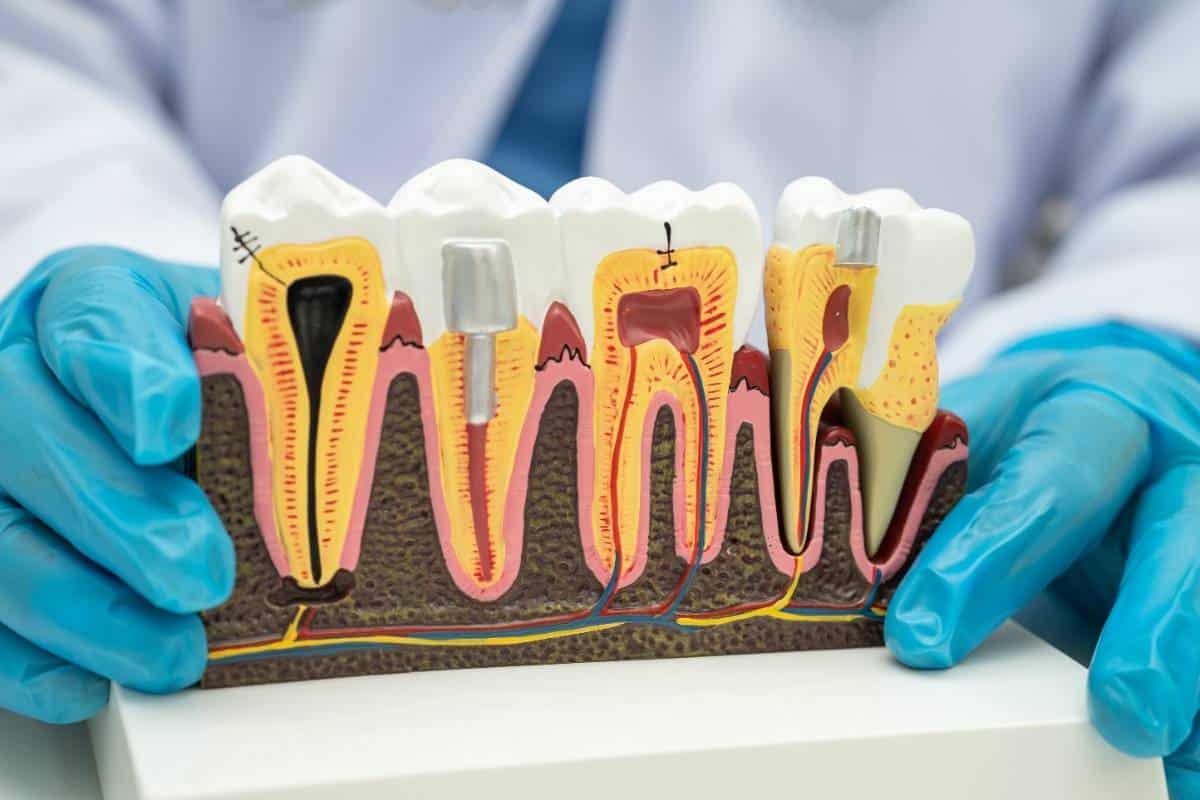
- Removes infection but preserves the natural tooth
- Maintains bite alignment and chewing function
- High success rates
A large study of over 44,000 cases found that only about 5.56% of treated teeth required extraction within two years after a root canal.
Extraction (To Remove the Problem)
- Completely removes the damaged tooth
- May require replacement (implant, bridge, denture)
- Can lead to shifting teeth if not restored
What Do Patients Prefer?
- 71% of patients who had a root canal were glad they chose it over extraction
- 94% of adults say keeping natural teeth is important
Dentists generally recommend saving the tooth when possible.
Why Your Family Dentist Is Often the Best First Step
Choosing your family dentist for these procedures offers several benefits:
- Convenience: You don’t need multiple appointments at different offices for basic care.
- Cost-Effective Care: General dentists often charge less than specialists for routine procedures.
- Continuity of Care: Your dentist already knows your dental history, which helps diagnose and treat faster.
- Early Intervention: Since family dentists handle preventive care, they can catch issues early—before they require complex surgery.
When You Should See a Specialist Instead
Even though family dentists are highly skilled, certain situations call for specialized care:
- Impacted wisdom teeth → Oral surgeon
- Complex molar root canals → Endodontist
- Severe facial swelling or infection → Emergency dental specialist
Recent trends show that more patients are turning to specialists for complex cases, with endodontists handling nearly 44.4% of treatments by 2024.
The Role of Technology in Modern Dentistry
Advancements in dental technology have made procedures safer and more comfortable:
- Digital X-rays for precise diagnosis
- Rotary instruments for faster root canals
- Local anesthesia for pain-free treatment
Today, most root canals are no more uncomfortable than getting a filling, despite outdated fears.
What to Expect During Treatment
Root Canal Procedure
- Numbing the area
- Removing infected pulp
- Cleaning and disinfecting
- Sealing the tooth
- Placing a crown (in many cases)
Tooth Extraction Procedure
- Local anesthesia
- Loosening the tooth
- Removing it carefully
- Post-care instructions for healing
Most patients return to normal activities within a day or two.
Conclusion
So, can your family dentist perform root canals and extractions?
Absolutely. For most Americans, a general dentist provides high-quality, effective care for these common issues. With a 95% success rate for modern root canals and the convenience of staying in a familiar environment, it’s often the best first step.
However, your dentist’s primary goal is your health. If they see a “curved ball” in your X-ray, they won’t hesitate to refer you to a specialist. The best move is to schedule a consultation at the first sign of pain—waiting only makes the procedure more complex!
Frequently Asked Questions
- Is a root canal more painful than an extraction?
No. With modern anesthesia, both procedures are typically painless. Many patients say root canals feel similar to getting a filling.
- How do I know if I need a root canal or extraction?
Your dentist will evaluate the tooth’s condition. If it can be saved, a root canal is usually recommended.
- Can a family dentist do a root canal on a molar?
Sometimes, yes. But complex molars are often referred to an endodontist.
- How long does it take to recover from a tooth extraction?
Most people recover within a few days, though complete healing can take 1–2 weeks.
- Is it cheaper to pull a tooth than get a root canal?
Initially, yes. But replacing a missing tooth (implant or bridge) can make extraction more expensive long-term.
Recent Posts
Aug. 19, 2026
Can A Root Canal Save A Severely Damaged Tooth?

Aug. 12, 2026
Can Cosmetic Dentistry Close Gaps Between Teeth?

Aug. 05, 2026
How Do Family Dentists Treat Tooth Decay?

Jul. 29, 2026
How Does Family Dentistry Support Long-Term Oral Health?

Jul. 22, 2026
Can Cosmetic Dentistry Fix Damaged Teeth and Restore Your Perfect Smile?
Catagories
- Cosmetic Dentistry (36)
- Dental Care (21)
- Dental Crowns (3)
- Dental Emergency (20)
- Dental Health (9)
- Dental Implant (2)
- Dental Sealants (3)
- Dentist (7)
- Dentures (3)
- Endodontic Treatment (4)
- Family Dentistry (1)
- General Dentistry (9)
- Invisalign (12)
- Oral Care (11)
- Pediatric Dentistry (5)
- Pediatric Dentistry (2)
- Restorative Dentistry (1)
- Root Canal Therapy (4)
- Smile Makeover (3)
- Teeth Whitening (1)
- Tooth Extraction (8)
- Uncategorized (0)