
February 18, 2026
General Dentistry
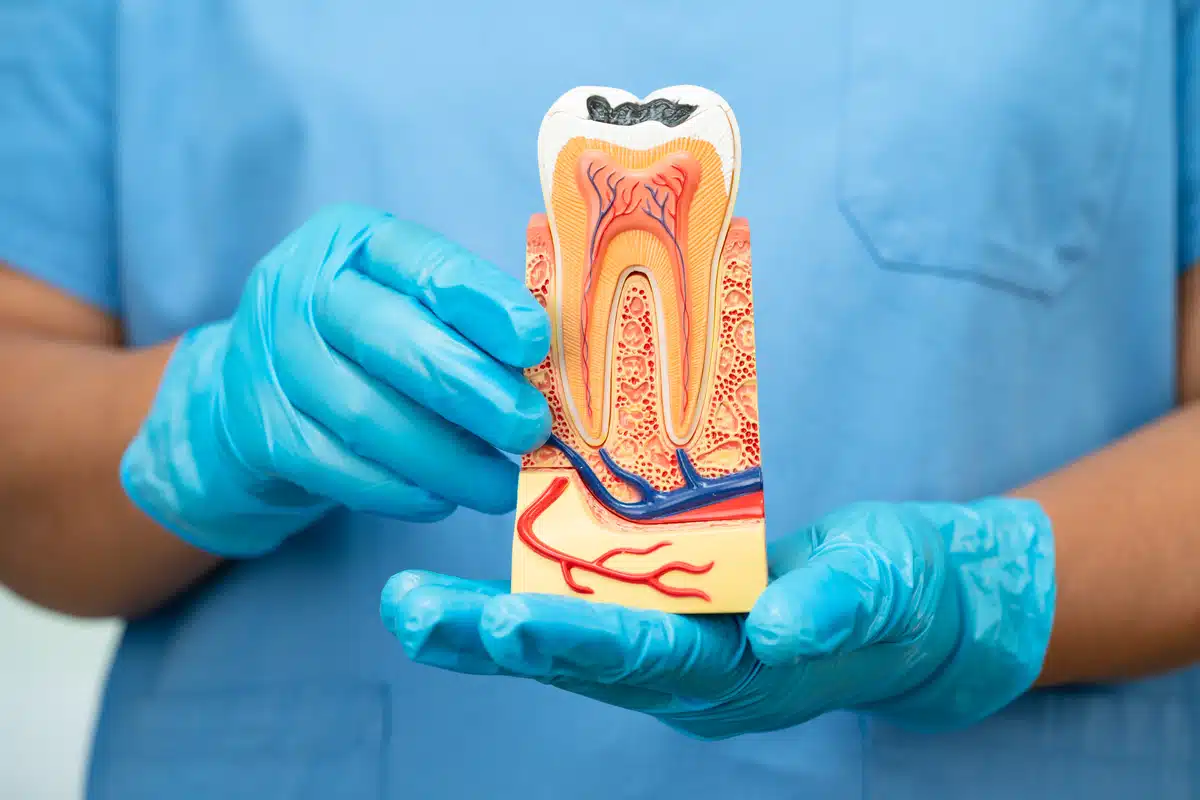
Raise your hand if the words “Root Canal” make you want to sprint in the opposite direction. We get it. For decades, the root canal has been the “bogeyman” of dentistry—the punchline of jokes about things people would rather avoid. But what if we told you that a root canal isn’t the villain of the story? It’s actually the hero.
Think about it: Your natural teeth are like original parts for a classic car. You can find high-quality replacements, sure, but nothing quite matches the fit, feel, and function of the factory original. If you’re sitting there with a toothache, wondering if you should just “pull it and be done with it,” stop for a second. Are you ready to lose a piece of yourself when you don’t have to?
In this guide, we’re diving into why saving your natural tooth through endodontic treatment is often the smartest move for your health, your wallet, and your smile. Let’s look at the hard data behind why “keeping what’s yours” is the gold standard in 2026.
Why the “Natural” Choice is the Best
When a tooth becomes severely decayed or infected, you generally face two paths: Extraction (pulling the tooth) or Endodontic Therapy (a root canal). While pulling a tooth might seem like a quick fix, it’s often the beginning of a much longer, more expensive journey.
Saving Your Natural Tooth Feels and Works Better
Nothing looks, feels, or functions exactly like your natural tooth — not implants, not bridges, not dentures. Your original tooth has a sensory system that helps you gauge pressure when you bite and chew food. Losing that tooth means you lose that natural feedback loop.
Here’s why that matters:
- Bite force and chewing function stay natural
- Speech stays clear and unaltered
- Eating remains effortless — no adaptation required
- Replacement options can’t fully mimic the biomechanics of real teeth
According to the American Association of Endodontists, saving your natural tooth lets you “maintain your natural smile, continue eating the foods you love, and limit the need for ongoing dental work.”
Root Canals Are Highly Successful — and Long-Lasting
One of the biggest fears people have about root canals is that they don’t “work” long term. But science tells a different story:
- A long-term study of root canal therapy showed that about 97% of treated teeth survive 10 years after treatment, with over 81% lasting as long as 20 years.
- Research including over 500,000 root canal treatments reported an 3% survival rate over three years — a strong indicator that root canals are a reliable option for tooth preservation.
Even more encouraging, results from a large clinical retrospective review showed that many endodontically treated teeth can remain functional for decades.
These success rates are comparable to — and often exceed — other dental and medical procedures we take for granted.
Root Canals Can Be Virtually Pain-Free
The old image of a horrendous, painful root canal is outdated. With modern techniques, local anesthetics, and digital technology:
- Most patients describe a root canal as no more uncomfortable than receiving a dental filling.
- Patients are about 6 times more likely to describe a root canal as painless compared to having a tooth extraction.
Dentists use advanced tools like microscopes and rotary instruments to clean infected canals with precision, reducing discomfort and speeding healing time.
Keeping Your Natural Tooth Prevents Bone Loss and Shifting Teeth
When a tooth is extracted, you lose more than just the crown — the root that stimulates the jawbone is gone too. Without that stimulation, the jawbone can begin to resorb (break down) over time, leading to:
- A sunken facial appearance
- Jawbone deterioration
- Problems with remaining teeth shifting out of place
- Issues with bite alignment and chewing efficiency
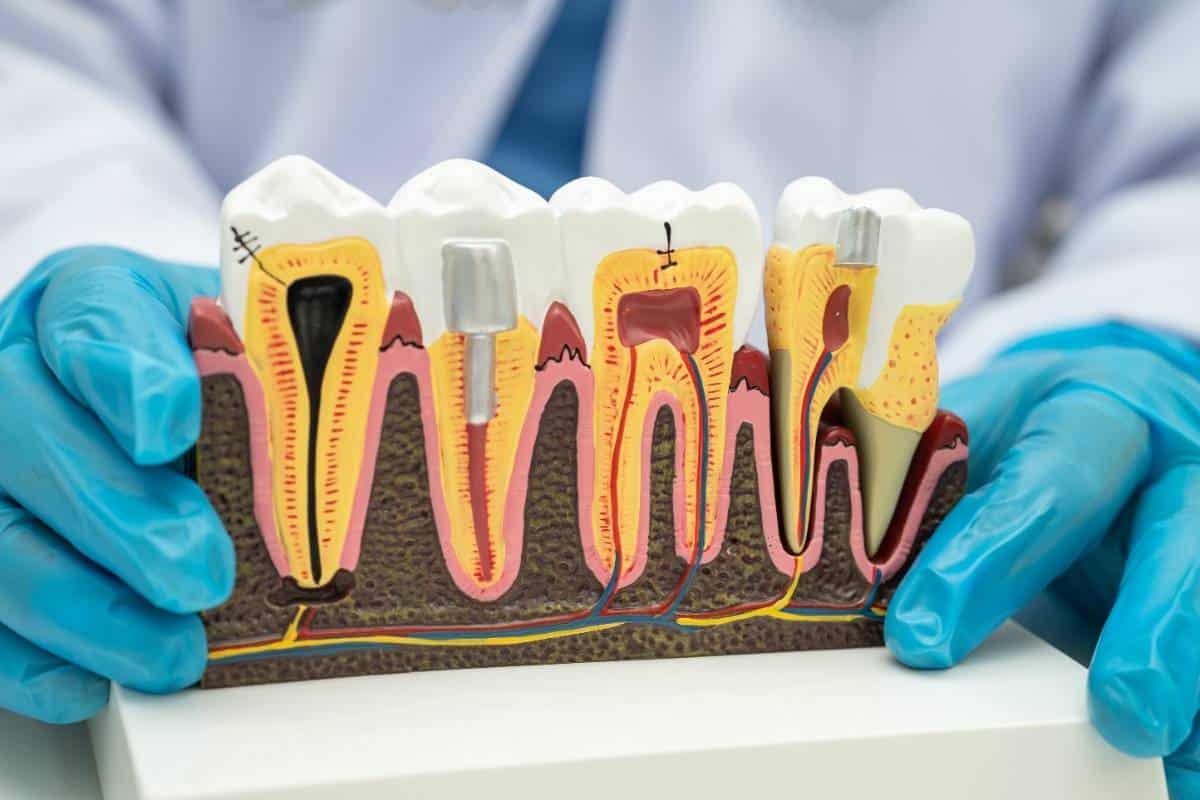
Root canal therapy preserves the tooth and its root, which continues to promote healthy bone remodelling.
A local certified Lee’s Summit dentist often highlights that preserving the structure connected to your jawbone is far more natural and beneficial than letting it deteriorate and correcting it later with implants or grafts.
Save Money in the Long Run
At first glance, a root canal might seem more expensive than simply pulling a tooth. But once you factor in what comes after extraction, the total cost can skyrocket:
- Dental implants
- Bridges
- Partial dentures
- Bone grafts or sinus lifts
- Orthodontic treatment if the remaining teeth shift
Replacing a missing tooth can easily cost several thousand dollars — often many times more than the root canal itself. Root canals, combined with a crown to protect the tooth, help you avoid these costly downstream procedures.
Protects Adjacent Teeth and Overall Dental Health
Tooth loss isn’t an isolated event. When a tooth is removed:
- Remaining teeth can drift into the space
- Your bite can become uneven
- You may develop TMJ (jaw joint) issues
- Other teeth may wear faster
Root canal treatment eliminates infection and retains the full structure of the tooth, helping maintain the natural spacing and alignment of the entire mouth.
Emerging Evidence Suggests Whole-Body Benefits
Oral health doesn’t just influence your smile — it may affect your overall health.
A 2025 study published in the Journal of Translational Medicine and highlighted by the American Association of Endodontists found that treating infected teeth with root canals may:
- Improve blood glucose metabolism
- Improve cholesterol profiles
- Reduce systemic markers of inflammation
…and potentially lower risks for heart disease and diabetes.
Though preliminary and limited in scale, these findings show that eliminating chronic dental infections might help your body in ways we’re just beginning to understand. This underscores the growing link between oral health and general health.
Function and Confidence — Not Just Survival
Saving your natural tooth isn’t just about survival — it’s about quality of life.
People who undergo root canal therapy often report:
- Improved comfort when eating
- Less dental anxiety
- Better confidence in social settings
- Fewer dental complications later in life
Root canals preserve more than teeth — they help retain the feeling of normalcy and comfort that comes with a complete, healthy mouth.
Conclusion
At the end of the day, your natural smile is an asset worth protecting. While dental technology has given us incredible options like implants and bridges, they are meant to be backups, not the first choice. By choosing a root canal, you are choosing to maintain your natural bone structure, your natural chewing sensation, and your natural appearance.
Don’t let old myths or temporary fear dictate your long-term health. If you have a damaged tooth, the data is clear: Save it if you can.
Frequently Asked Questions
- Is getting a root canal treatment painful?
No — thanks to modern anaesthesia and dental technology, most patients report experiencing little to no pain, often comparing it to a simple filling.
- How long does a tooth last after a root canal?
Studies suggest that many root-canal-treated teeth survive 10, 20, or even more years with proper care.
- Can I just extract the tooth instead of a root canal?
Yes, but extraction can lead to bone loss, shifting teeth, and higher long-term costs. Saving the natural tooth is usually better for oral health.
- Are root canals covered by insurance?
Many dental insurance plans cover endodontic treatment at least in part, but coverage varies by plan. Check your policy for details.
- Can root canal treatment prevent other health issues?
Emerging research suggests a link between treating oral infection and improved overall health markers, though more evidence is needed.
Recent Posts
Aug. 19, 2026
Can A Root Canal Save A Severely Damaged Tooth?

Aug. 12, 2026
Can Cosmetic Dentistry Close Gaps Between Teeth?

Aug. 05, 2026
How Do Family Dentists Treat Tooth Decay?
Jul. 29, 2026
How Does Family Dentistry Support Long-Term Oral Health?

Jul. 22, 2026
Can Cosmetic Dentistry Fix Damaged Teeth and Restore Your Perfect Smile?
Catagories
- Cosmetic Dentistry (36)
- Dental Care (21)
- Dental Crowns (3)
- Dental Emergency (20)
- Dental Health (9)
- Dental Implant (2)
- Dental Sealants (3)
- Dentist (7)
- Dentures (3)
- Endodontic Treatment (4)
- Family Dentistry (1)
- General Dentistry (9)
- Invisalign (12)
- Oral Care (11)
- Pediatric Dentistry (2)
- Pediatric Dentistry (5)
- Restorative Dentistry (1)
- Root Canal Therapy (4)
- Smile Makeover (3)
- Teeth Whitening (1)
- Tooth Extraction (8)
- Uncategorized (0)