

February 4, 2026
General Dentistry
We’ve all been there. You’re enjoying a cold slice of watermelon or a hot cup of coffee when—zap—a sharp pain shoots through your jaw. Suddenly, your weekend plans shift from “relaxing” to “finding an emergency dentist.” When a tooth is severely damaged or infected, you usually find yourself standing at a crossroads with two signs: Root Canal or Tooth Extraction.
It’s a difficult decision, isn’t it? One feels like a rescue mission, while the other feels like a permanent goodbye. But which one is actually better for your long-term health, your wallet, and your smile?
Today, we’re breaking down the data, debunking the myths, and helping you navigate the “Save it or Pull it” dilemma. Let’s dive into the science of your smile.
The Great Debate: Saving the Natural Tooth
In the world of modern dentistry, the prevailing philosophy is “biomimetic,” meaning dentists generally prefer to keep your natural anatomy intact whenever possible. However, the “better” option is rarely one-size-fits-all; it depends on the tooth’s structural integrity and your overall systemic health.
The Root Canal (Endodontic Therapy)
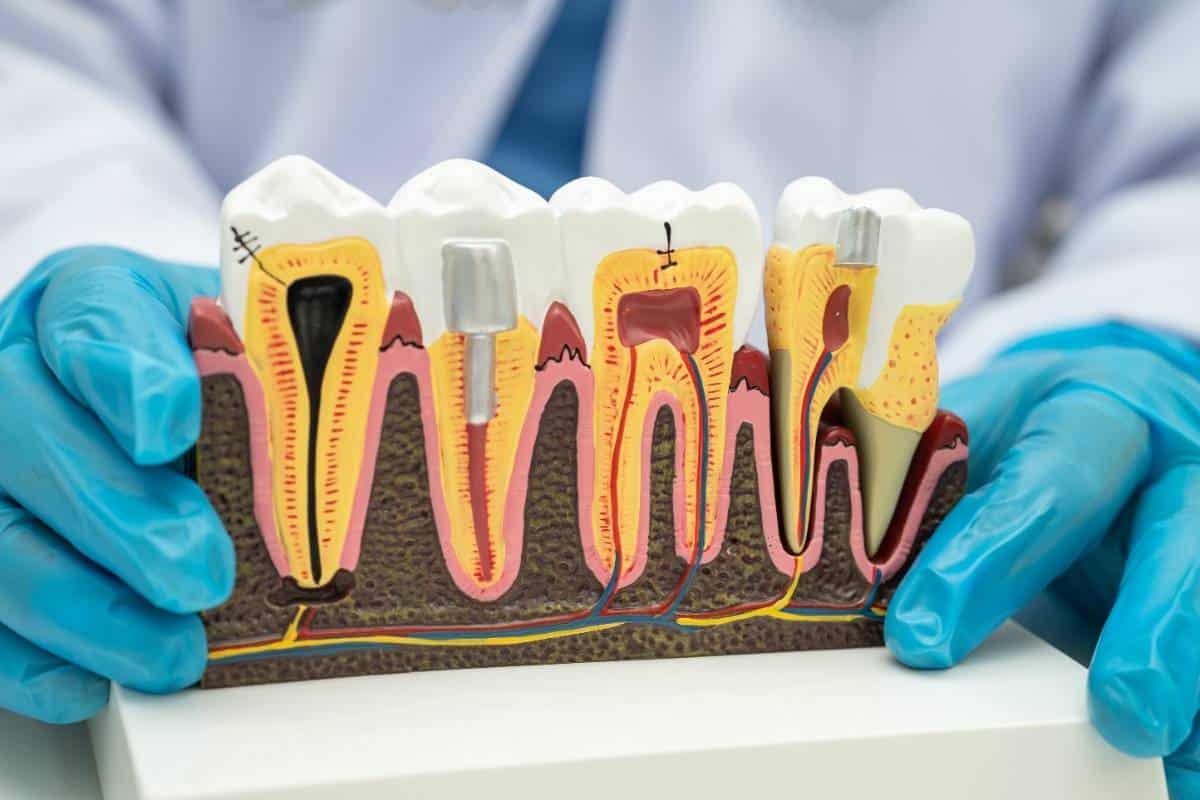
A root canal is often misunderstood as a painful ordeal. In reality, it’s a procedure designed to eliminate pain by removing infected pulp from inside the tooth, cleaning the canal, and sealing it.
- The Success Rate: According to the American Association of Endodontists (AAE), root canal treatment has a success rate of roughly 95%. Most “saved” teeth last a lifetime with proper crowning and care.
- The Longevity Factor: A study published in the Journal of Dental Research found that teeth treated with root canal therapy and subsequent crowns had a 10-year survival rate of about 94%, comparable to the success rates of dental implants.
Tooth Extraction
An extraction is the complete removal of the tooth from its socket. While it sounds like a “quick fix,” it is often the beginning of a longer restorative journey.
- The Necessity: Tooth Extractions are typically reserved for teeth that are fractured below the gum line, have severe bone loss from periodontal disease, or are so decayed that a crown cannot be supported.
- The Prevalence: According to the Centers for Disease Control and Prevention (CDC), by age 50, the average American has lost 12 permanent teeth (including wisdom teeth).
What Happens After Treatment? Recovery, Comfort, and Daily Life
Root Canal Therapy (Endodontic Treatment)
Most people are surprised — a root canal is often less painful than the toothache that leads people to it in the first place. With local anesthesia, the procedure itself should be comfortable.
- Post-treatment discomfort is typically mild and short-lived (often 24–48 hours).
- Functional recovery (chewing normally) is usually quick once your crown is placed.
Overall, the goal is a natural, pain-free tooth that stays in your mouth for decades.
Tooth Extraction
The initial extraction may be quick, but the healing process takes longer.
- Complete healing of the gums after a simple tooth extraction usually takes about 1–2 weeks.
- Surgical extractions (such as impacted teeth) can cause swelling and discomfort for several days.
And that’s not all — missing a tooth changes how your mouth works. You may need:
- A replacement prosthetic to restore chewing and prevent shifting
- Additional appointments
- Potential bone grafts if choosing an implant
Each of these adds time, cost, and recovery moments.
What Experts Say: Bone, Alignment & Function Matter
Dentists and oral health researchers emphasize that retaining your natural teeth whenever possible is best for your oral health.
Why?
Jawbone Health: When a tooth is removed, the surrounding bone loses stimulation and gradually resorbs (shrinks). This bone loss can affect:
- Your facial structure (a “sunken” appearance over time)
- Support for surrounding teeth
- Future implant placement
A natural tooth root helps maintain bone density and keeps the jaw functional.
Bite and Function: Teeth work as a team. Removing one tooth changes the forces on neighboring teeth. That can mean:
- Teeth shifting
- Bite misalignment
- Increased risk of gum disease and decay
Saving the tooth through root canal therapy helps keep your bite balanced and your overall mouth healthy.
When Extraction Is the Best Option
Root canals aren’t perfect for every situation. There are times when extraction is medically smarter:
- The tooth is too fractured or decayed below the gum line
- Infection is extensive, and bone support is compromised
- The tooth has a vertical root fracture that prevents effective cleaning
- You’re unable to afford root canal + crown (though financing may help)
In these cases, extraction may be recommended, but only after a thorough consultation with your local certified dentist in Lee’s Summit.
Conclusion
In the battle of Tooth Extraction vs. Root Canal, the winner is almost always the Root Canal. Keeping your natural tooth preserves your jawbone, maintains your natural bite, and prevents a domino effect of future dental issues. However, if a tooth is structurally compromised beyond repair, an extraction followed by an implant is a fantastic “Plan B” that keeps your smile functional and beautiful.
The best move? Don’t wait for the pain to become unbearable. Early intervention often means the difference between a simple filling and a complex surgery.
Frequently Asked Questions
- Does a root canal hurt more than an extraction?
Most patients find that the pain from a root canal is less than the pain that led them to seek treatment, and healing is generally quicker and more comfortable than after an extraction. - How long does a root canal tooth last?
With proper care, a root canal–treated tooth can last decades, and many survive 30+ years according to long-term studies. - Will my insurance cover these treatments?
Many dental plans cover a portion of root canals and crowns — typically more than they cover implants. Coverage varies by plan, so check with your provider. - What are the risks of delaying treatment?
Delaying treatment allows infection to spread, increasing bone loss, pain, and the likelihood of extraction instead of preservation. Early intervention improves outcomes. - If I extract a tooth, do I have to replace it?
Not always, but dentists generally recommend replacing missing teeth to prevent shifting, bone loss, and bite problems.
Recent Posts
Aug. 19, 2026
Can A Root Canal Save A Severely Damaged Tooth?

Aug. 12, 2026
Can Cosmetic Dentistry Close Gaps Between Teeth?

Aug. 05, 2026
How Do Family Dentists Treat Tooth Decay?

Jul. 29, 2026
How Does Family Dentistry Support Long-Term Oral Health?

Jul. 22, 2026
Can Cosmetic Dentistry Fix Damaged Teeth and Restore Your Perfect Smile?
Catagories
- Cosmetic Dentistry (36)
- Dental Care (21)
- Dental Crowns (3)
- Dental Emergency (20)
- Dental Health (9)
- Dental Implant (2)
- Dental Sealants (3)
- Dentist (7)
- Dentures (3)
- Endodontic Treatment (4)
- Family Dentistry (1)
- General Dentistry (9)
- Invisalign (12)
- Oral Care (11)
- Pediatric Dentistry (2)
- Pediatric Dentistry (5)
- Restorative Dentistry (1)
- Root Canal Therapy (4)
- Smile Makeover (3)
- Teeth Whitening (1)
- Tooth Extraction (8)
- Uncategorized (0)