
December 3, 2025
Cosmetic Dentistry
Have you ever found yourself in the middle of a conversation, only to suddenly wonder if your breath is making the person across from you wince? We’ve all been there. Whether it’s that morning “coffee breath” or the lingering scent of a garlic-heavy lunch, occasional bad breath is a part of life.
But what if the mints, the gum, and the constant brushing aren’t working? If you are struggling with chronic halitosis, you aren’t alone. In fact, studies show that nearly 50% of adults in the United States suffer from bad breath at some point in their lives.
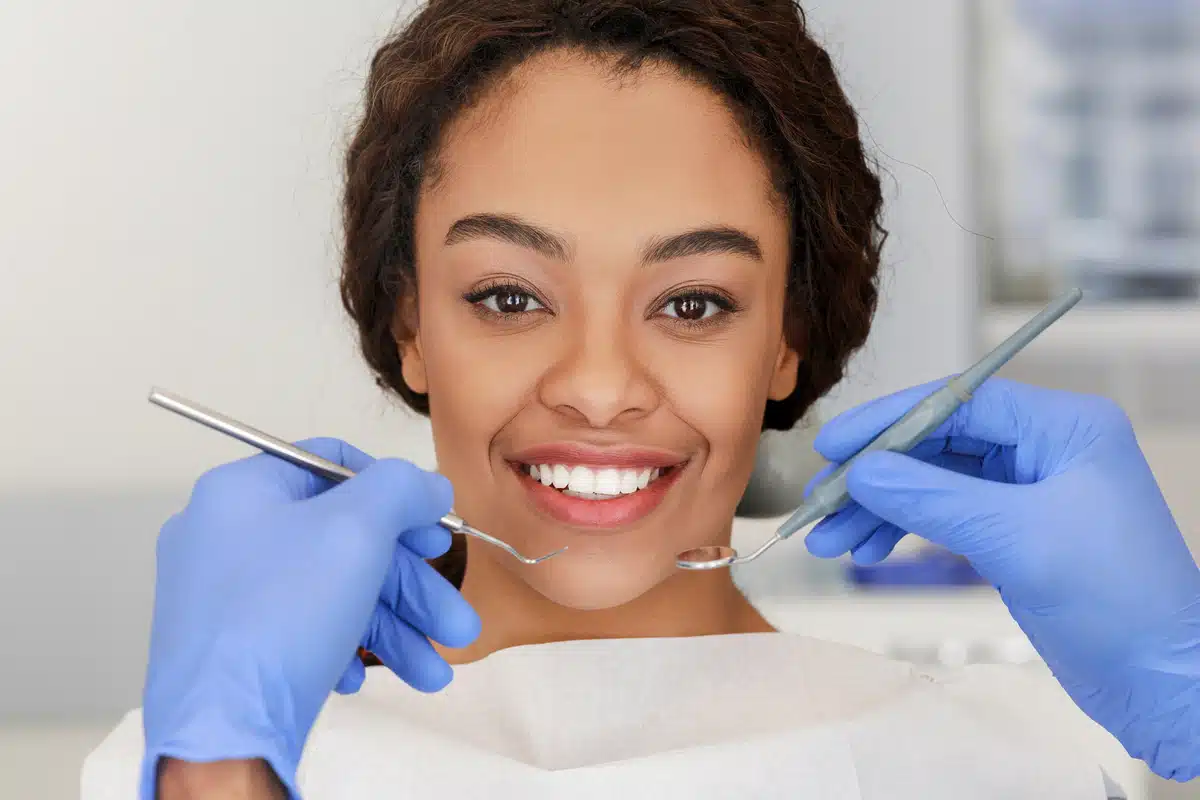
While we often think of cosmetic dentistry as a way to get a “Hollywood smile,” it’s actually a powerful tool for a fresher smile. Believe it or not, many of those stunning smile makeovers do more than look good—they eliminate the hidden traps where odor-causing bacteria hide.
Let’s dive into how modern cosmetic procedures can help you say goodbye to bad breath for good.
The Science of Smell: What’s Really Happening?
Before we talk about the “fix,” we have to understand the “why.” About 85% to 90% of halitosis cases originate directly in the mouth.
When bacteria break down food particles, they release Volatile Sulfur Compounds (VSCs). These compounds, such as hydrogen sulfide and methyl mercaptan, are the primary culprits behind that pungent “rotten egg” or “cabbage” smell.
Common dental issues that trap these bacteria include:
- Crowded or misaligned teeth.
- Deep grooves in the tooth enamel.
- Receding or excessive gum tissue.
- Old, leaky dental work (like cracked fillings).
How Cosmetic Dentistry Targets Bad Breath at the Source
Cosmetic dentistry doesn’t just make teeth look great — it often improves oral health function and hygiene, which directly reduces the conditions that foster chronic bad breath.
Replacing Missing Teeth with Implants and Bridges
Missing teeth aren’t just a cosmetic concern — they create food traps where bacteria flourish. These pockets are prime territory for bacterial growth that leads to foul odors.
Cosmetic dentistry in Lee’s Summit offers solutions such as dental implants and bridges to replace missing teeth. These restorations:
- Stop food from getting trapped,
- Make cleaning easier,
- Eliminate bacteria-harboring gaps.
With full dentition, brushing and flossing become more effective, reducing odor-causing buildup.
Correcting Tooth Alignment with Clear Aligners or Orthodontics
Crooked or crowded teeth create nooks and crannies that are hard to clean. These areas trap plaque and bacteria, and stubborn bad breath follows.
Cosmetic options like Invisalign or other orthodontic work can:
- Straighten teeth for easier cleaning,
- Reduce plaque buildup,
- Improve overall oral hygiene efficiency.
Improved alignment helps your toothbrush and floss reach more surfaces — meaning fewer bacteria, less odor, and fewer dental problems overall.
Using Veneers and Bonding to Seal Imperfections
Gaps, cracks, and chipped teeth may look unsightly and also trap food particles. Cosmetic treatments like veneers and dental bonding seal these rough surfaces, which helps:
- Reduce places where food and bacteria collect,
- Create smoother surfaces that resist plaque buildup,
- Improve ease of daily cleaning.
Be aware: a proper fit and good hygiene are essential — poorly placed veneers can trap bacteria and lead to increased odor if not cared for correctly.
Whitening and Polishing — More Than Just Brightness
Teeth whitening doesn’t directly “kill” odor, but it motivates many people to adopt better oral hygiene habits afterward. It can also reduce surface stains where bacteria might cling, making your mouth easier to clean. Many cosmetic dental patients report feeling more invested in their oral care after cosmetic treatments.
Periodontal Treatment and Deep Cleaning
Gum disease is a major driver of chronic halitosis. Gum pockets infected with bacteria are among the most odor-producing areas in the mouth.
Cosmetic dentists often incorporate periodontal (gum) treatment into their practices, including:
- Scaling and root planing (deep cleaning),
- Gum evaluation during cosmetic procedures.
These treatments reduce infection and bacterial reservoirs responsible for chronic bad breath.
Why Cosmetic Dentistry Works When Mouthwash Doesn’t
Standard mouthwashes and mints might mask bad breath, but they don’t fix the root cause. Chronic bad breath often stems from:
- Bacterial biofilm under gumlines,
- Decay beneath dental defects,
- Trapped food in misaligned or missing teeth,
- Infection and structural issues are not visible in the mirror.
Cosmetic dentistry addresses these root conditions — it doesn’t just cover them up.
The Ripple Effects: Oral Health and Confidence
Bad breath isn’t just uncomfortable — it affects confidence, social life, professional interactions, and quality of life. Many people with chronic halitosis become reluctant to speak up in meetings or socialize. Successfully addressing the source of bad breath through dental care can dramatically improve personal and professional interactions.
Plus, when your dental structures are restored, cleaned, and aligned, you’re much more likely to:
✔ Brush and floss more effectively
✔ Keep regular dental appointments
✔ Maintain healthier gums and teeth long-term
Because cosmetic dental improvements often motivate better self-care, the benefits extend far beyond aesthetics.
Real Numbers and Why This Matters in the U.S.
- An estimated 25% of Americans struggle with halitosis.
• Up to 90% of chronic bad breath cases come from the mouth itself.
• Self-reported bad breath affects more than one-third of people surveyed in dental studies.
These figures show how common chronic bad breath is — and how many cases involve treatable oral sources.
The Financial Impact of the “Quick Fix”
Many Americans spend a fortune trying to mask the problem. It is estimated that consumers spend over $2 billion annually on mouthwashes, mints, and rinses.
The irony? Most of these over-the-counter products contain alcohol, which dries out the mouth. Dry mouth (xerostomia) actually increases bacterial concentration, worsening bad breath once the minty flavor wears off. Investing in cosmetic dentistry addresses the source of the odor rather than just buying another bottle of mouthwash.
Conclusion: Beyond the Smile — Fresh Breath for Life
Cosmetic dentistry is often framed solely as vanity, but its health benefits are undeniable. By smoothing out surfaces, closing gaps, and straightening misalignments, these procedures eliminate the “biological traps” that cause chronic bad breath.
If you’ve been hiding your smile—or your breath—it might be time to look beyond the toothbrush. A consultation with a qualified dentist in Lee’s Summit could be the first step toward a smile that not only looks radiant but feels (and smells) incredibly fresh.
Frequently Asked Questions
- Can cosmetic dentistry really cure chronic bad breath?
Yes — when bad breath is caused by dental issues such as decay, gum disease, missing teeth, or alignment problems, cosmetic procedures that address those issues can eliminate the source of the odor rather than just mask it. - Does teeth whitening directly stop bad breath?
Whitening itself doesn’t kill odor-causing bacteria. However, it can make surfaces smoother and encourage better hygiene habits, which, in turn, can indirectly reduce breath problems. - Are veneers safe for fresh breath?
When properly fitted and maintained with good oral hygiene, veneers do not cause bad breath. Poorly fitted veneers, however, can trap bacteria and contribute to odor. - How quickly can bad breath improve after cosmetic dental work?
Results vary by individual, but many people notice significant improvement within weeks of treatment and healing, especially once dental sources of bacteria are addressed. - Does insurance cover cosmetic dentistry for bad breath treatment?
Cosmetic procedures are often not fully covered, but some treatments that address functional issues (such as crowns or implants due to decay or structural needs) may qualify for partial coverage. Always check your plan.
Recent Posts
Aug. 19, 2026
Can A Root Canal Save A Severely Damaged Tooth?

Aug. 12, 2026
Can Cosmetic Dentistry Close Gaps Between Teeth?
Aug. 05, 2026
How Do Family Dentists Treat Tooth Decay?
Jul. 29, 2026
How Does Family Dentistry Support Long-Term Oral Health?

Jul. 22, 2026
Can Cosmetic Dentistry Fix Damaged Teeth and Restore Your Perfect Smile?
Catagories
- Cosmetic Dentistry (36)
- Dental Care (21)
- Dental Crowns (3)
- Dental Emergency (20)
- Dental Health (9)
- Dental Implant (2)
- Dental Sealants (3)
- Dentist (7)
- Dentures (3)
- Endodontic Treatment (4)
- Family Dentistry (1)
- General Dentistry (9)
- Invisalign (12)
- Oral Care (11)
- Pediatric Dentistry (2)
- Pediatric Dentistry (5)
- Restorative Dentistry (1)
- Root Canal Therapy (4)
- Smile Makeover (3)
- Teeth Whitening (1)
- Tooth Extraction (8)
- Uncategorized (0)