
July 10, 2025
Invisalign
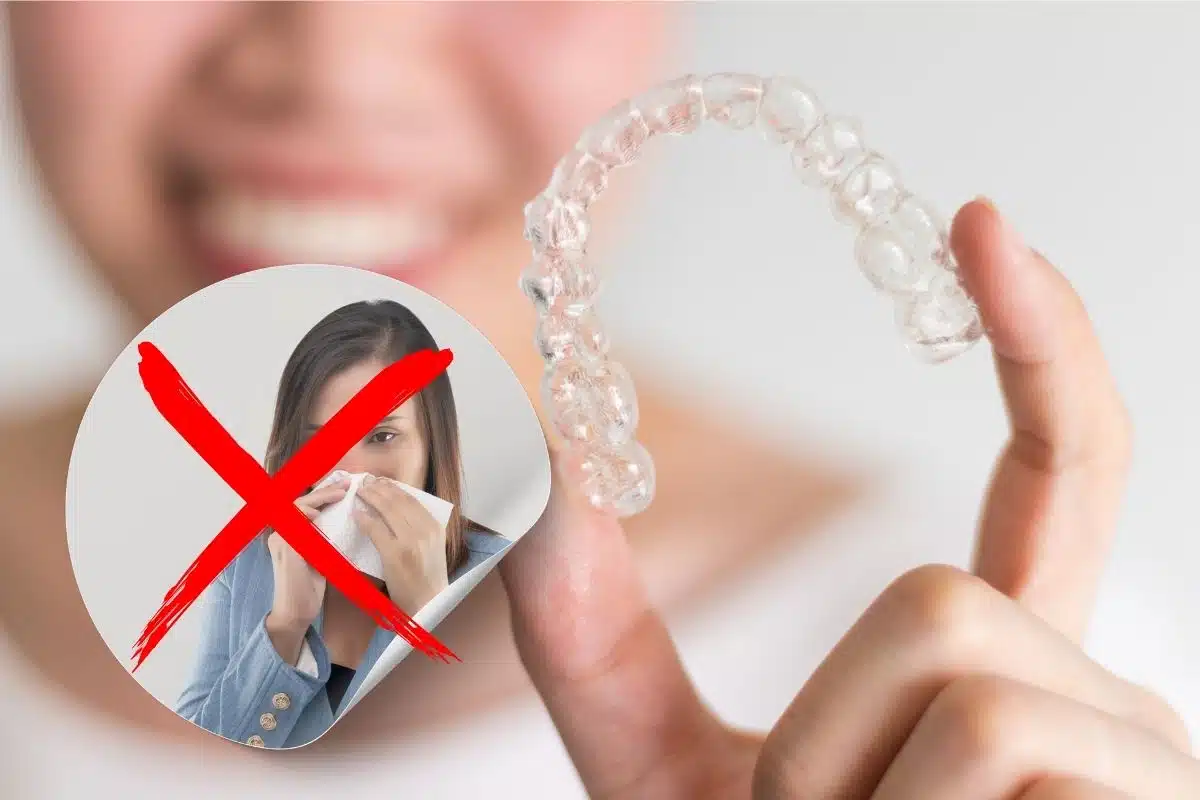
When I first decided on Invisalign, I was excited. The idea of straighter teeth without metal braces sounded perfect. But like many people, I didn’t realize there could be unexpected side effects—including allergic reactions or unusual tingling. Most Invisalign users adjust easily, but some sensations may raise questions for a small number of patients.
Managing Invisalign Irritation and Discomfort
While rare, reports of mild to moderate allergic reactions do exist. In fact, according to WebMD and research indexed on PubMed, a few users experience sensitivity or irritation, likely linked to the plastic materials in aligners. This isn’t a reason to panic, but it’s worth staying informed about.
If you’re considering or already wearing aligners, it’s smart to work with a trusted Dentist in Lee’s Summit, MO, who understands orthodontics and your unique health needs. At Hurd Family Dental, we help patients navigate every stage of their Invisalign treatment in Lee’s Summit, including how to handle unusual symptoms confidently.
Rare Invisalign Side Effects
Let’s be clear: most Invisalign users go through treatment without issues. However, some rare side effects deserve attention. Here’s what I want patients to watch for:
- Tingling or numbness in the tongue, gums, or lips
- Dry mouth or increased saliva production
- Headaches or jaw discomfort
- Skin rashes around the mouth or chin
- Gum inflammation or redness
These symptoms might not appear for everyone. But if they do, bring them up with your dentist immediately—even if they seem mild.
Can Invisalign cause nerve damage?
This is a common concern I hear from new patients. Actual nerve damage from Invisalign is sporadic. However, if aligners are too tight or improperly fitted, they can press on facial nerves, leading to numbness or tingling. That’s why checking in with your dentist if you notice those symptoms is essential — it may just be a matter of tray adjustment.
Is it Possible to Be Allergic to Invisalign?
Yes, although it’s rare. Invisalign aligners are made from SmartTrack® — a BPA-free thermoplastic material designed to be safe. That said, your body may still react. Signs of an allergic reaction can include:
- Itchy or burning gums
- Swelling around the lips or mouth
- Metallic taste or discomfort
- Difficulty breathing (in severe cases — seek emergency care)
Even mild symptoms should be addressed. At Hurd Family Dental, we always prioritize your comfort and safety. If you notice anything unusual, we’re here to help sort out whether it’s an allergy or an adjustment response.
How do I know if I’m allergic to Invisalign aligners?
Most allergic reactions are localized and affect the gums, tongue, or cheeks. Look for redness, itching, or burning shortly after wearing new trays. If symptoms persist or worsen, schedule a visit. We can help determine whether it’s an allergy or something else and adjust your treatment plan.
Mouth Irritation with Invisalign? Tips from Your Lee’s Summit Dentists
Some irritation is typical, especially during the first few days of each new tray. But if the discomfort lingers or worsens, it’s time to make a change. Here’s what I suggest if your aligners are causing discomfort:
- Rinse with warm salt water a few times a day to soothe irritated gums
- Use dental wax on rough tray edges
- Keep your trays clean to prevent bacterial buildup
- Apply oral gels like Orajel® if approved by your dentist
A good-fitting aligner should never cause sharp pain. If you’re in doubt, stop by for a quick adjustment. Our team at Hurd Family Dental is happy to take a look.
Why does my mouth feel sore with Invisalign?
Soreness usually comes from the gentle pressure aligners apply to shift teeth, especially after switching to a new set. This is entirely normal and should ease after a couple of days. If the soreness feels sharp or lasts too long, we’ll take a closer look to ensure everything fits properly.
Sensitive Mouth? How Hurd Family Dental Helps Lee’s Summit Patients with Invisalign Comfort
Everyone’s mouth is different. That’s why we don’t take a one-size-fits-all approach to Invisalign. When patients at Hurd Family Dental come in with sensitivity concerns, we take the time to:
- Review your complete dental and allergy history
- Assess how your aligners are fitting
- Explore alternative materials if necessary
- Offer guidance on managing discomfort day-to-day
Sometimes the solution is as simple as rounding off a sharp edge on your tray. Other times, it’s switching to a hypoallergenic aligner option. We personalize everything — because your comfort matters as much as your results.
Is Invisalign Still a Safe Choice?
Absolutely. More than 12 million people worldwide use Invisalign, which is FDA-approved for both teens and adults. The clear aligners are a safe, effective way to straighten teeth when supervised by an experienced dental team.
Unusual sensations or allergic symptoms don’t mean you have to stop treatment. But they do mean you should talk to your dentist. We’re here to help you get the beautiful, healthy smile you want — without the guesswork.
Your Smile Shouldn’t Hurt — Let’s Talk About It
If something feels off during your Invisalign journey — whether it’s tingling, mouth soreness, or odd reactions — don’t ignore it. Trust what your body is telling you and reach out. As a local Lee’s Summit Dentist, I’ve helped many patients work through aligner issues with ease and reassurance.
Want to feel good about your Invisalign journey again? Contact Hurd Family Dental today to schedule your consultation, and let’s get you smiling and comfortable.
Have questions about Invisalign or unusual symptoms?
Let’s talk. Call (816) 524-4509 at Hurd Family Dental today.
Conclusion
Invisalign treatment can cause temporary pressure, tightness, tenderness, or other unusual sensations as your teeth adjust to each new aligner. These feelings are often part of the tooth-movement process, but persistent irritation, swelling, sores, or symptoms that feel like an allergic reaction should not be overlooked. Invisalign aligners are made from SmartTrack material, and patients with known allergies or concerns should discuss them with their dental provider before and during treatment.
At Hurd Family Dental, Dr. Francis Hurd can evaluate unusual sensations, gum irritation, or discomfort associated with clear aligner treatment and determine whether your aligners fit properly. Schedule an appointment if your symptoms continue, become uncomfortable, or concern you during Invisalign treatment.
Your comfort matters throughout orthodontic treatment, and you do not have to guess whether a sensation is normal. Visit our dental practice in Lee’s Summit to discuss your Invisalign concerns and get professional guidance tailored to your oral health needs.
Frequently Asked Questions
1. Can Hurd Family Dental check unusual sensations from Invisalign?
Yes. Dr. Francis Hurd can examine your mouth and aligner fit to help determine the possible cause.
2. Is pressure from Invisalign normal?
Mild pressure or tightness is normal when starting a new aligner as your teeth begin to move.
3. Can Invisalign cause mouth irritation?
Some patients may experience temporary irritation or tenderness while adjusting to an aligner. Evaluate persistent sores or irritation.
4. What if I think I am allergic to my Invisalign aligners?
Don’t assume the symptom is an allergy; contact our dental provider for an evaluation, especially if you develop significant swelling or other concerning symptoms.
5. When should I contact Hurd Family Dental about Invisalign discomfort?
Contact the practice if discomfort persists, your aligner feels unusually painful, or you notice swelling, sores, or changes in fit.
Recent Posts
Oct. 26, 2026
How Modern Root Canal Therapy Makes Dental Treatment More Comfortable?

Oct. 19, 2026
Family Dentist vs. General Dentist: What’s The Difference?

Oct. 12, 2026
Does Your Child’s Thumb Sucking Need Dental Intervention

Oct. 05, 2026
Tooth Pain at 2:00 AM: Your Real Emergency Options Beyond the ER
Sep. 28, 2026
How Do Taste Changes in The Mouth After Root Canal Therapy?
Catagories
- Cosmetic Dentistry (37)
- Dental Care (21)
- Dental Crowns (3)
- Dental Emergency (22)
- Dental Health (9)
- Dental Implant (2)
- Dental Sealants (3)
- Dentist (7)
- Dentures (3)
- Endodontic Treatment (4)
- Family Dentistry (2)
- General Dentistry (13)
- Invisalign (12)
- Oral Care (10)
- Pediatric Dentistry (2)
- Pediatric Dentistry (6)
- Restorative Dentistry (1)
- Root Canal Therapy (4)
- Smile Makeover (3)
- Teeth Whitening (1)
- Tooth Extraction (8)
- Uncategorized (0)